How to Prevent Humidity and Moisture Problems in a Bathroom Without a Window
Bathrooms
A bathroom without a window can quickly become a breeding ground for moisture-related issues. Without proper ventilation, humidity builds up after every shower or bath, leading to damp smells, mould growth, and even long-term damage to fixtures and walls. Managing excess moisture is essential not only for maintaining a fresh and clean bathroom but also for protecting the health of your home. Fortunately, there are several effective ways to combat humidity in a windowless bathroom, from improving ventilation to choosing the right materials.
Install an Efficient Ventilation System
In the absence of a window, an extractor fan becomes the most important tool for controlling moisture. A high-quality fan removes humid air, preventing condensation from settling on walls, ceilings, and fixtures. When selecting a fan, consider one with a humidity sensor, which automatically turns on when moisture levels rise and switches off when the air is dry. For bathrooms that experience heavy steam buildup, an inline fan may be the best option, as it provides stronger airflow and works efficiently even in larger spaces.
Simply having a fan, however, is not enough. Regular maintenance is essential to ensure it functions properly. Over time, dust and grime accumulate in the vents, reducing its effectiveness. Cleaning the fan every few months prevents blockages and ensures maximum airflow. If your bathroom still feels damp despite having an extractor fan, consider upgrading to a more powerful model or keeping the fan running for at least 20 minutes after showering to allow proper air circulation.
Use a Dehumidifier for Extra Moisture Control
In particularly humid bathrooms, an electric dehumidifier can be a game-changer. These compact devices absorb excess moisture from the air, preventing condensation and reducing the risk of mould growth. Look for a dehumidifier specifically designed for bathrooms, as these models are built to withstand high humidity levels and feature water-resistant components. Many modern units are small enough to fit on a countertop or shelf, making them ideal for bathrooms with limited space.
If using an electric dehumidifier is not an option, moisture-absorbing materials such as silica gel or bamboo charcoal bags can be placed discreetly in bathroom corners, inside cabinets, or near the shower. These natural dehumidifiers work by trapping moisture in the air, helping to keep humidity levels under control. While they won’t replace an extractor fan, they can significantly reduce dampness in small bathrooms where airflow is limited.
Choose Moisture-Resistant Paint and Materials
The materials used in a windowless bathroom play a major role in moisture management. Standard paint absorbs humidity over time, leading to peeling, bubbling, and mildew stains. To combat this, opt for a mould-resistant, water-repellent paint that is specifically designed for high-humidity environments. These paints create a protective barrier that prevents moisture from seeping into walls, reducing the chances of mould and mildew taking hold.
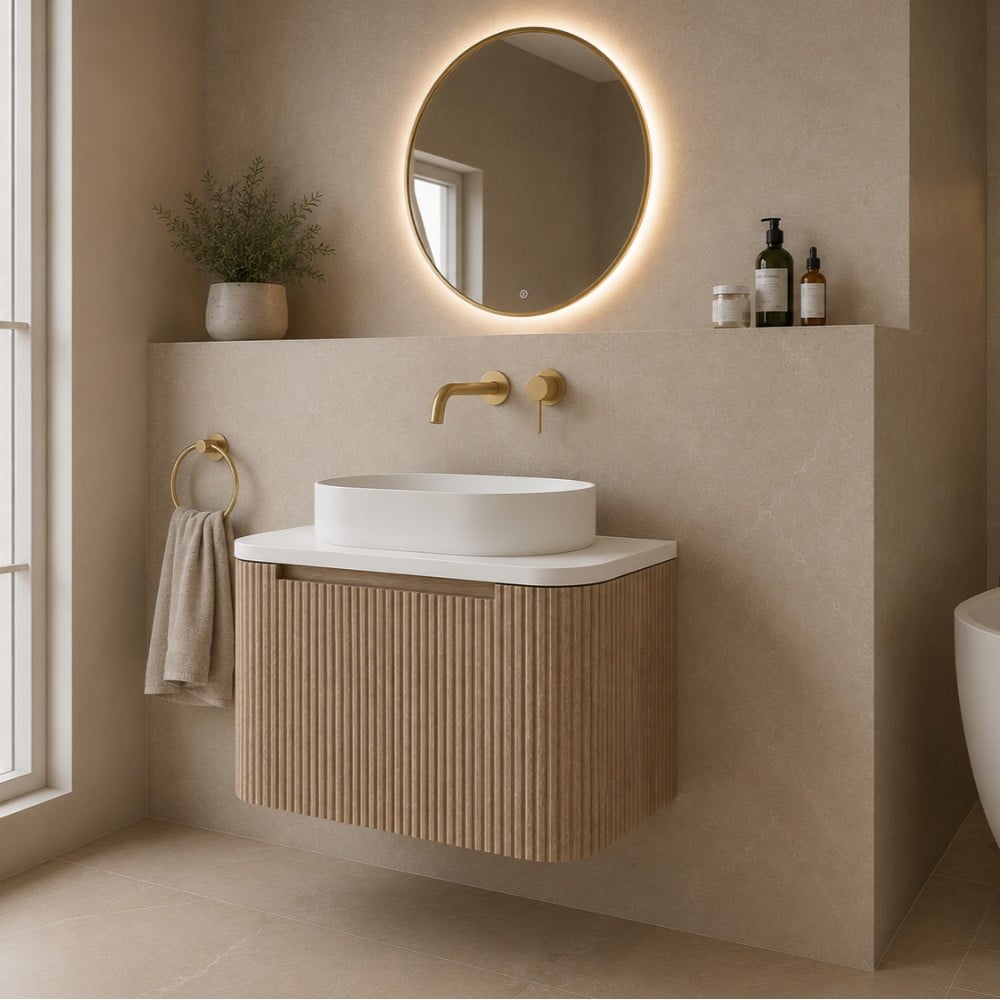
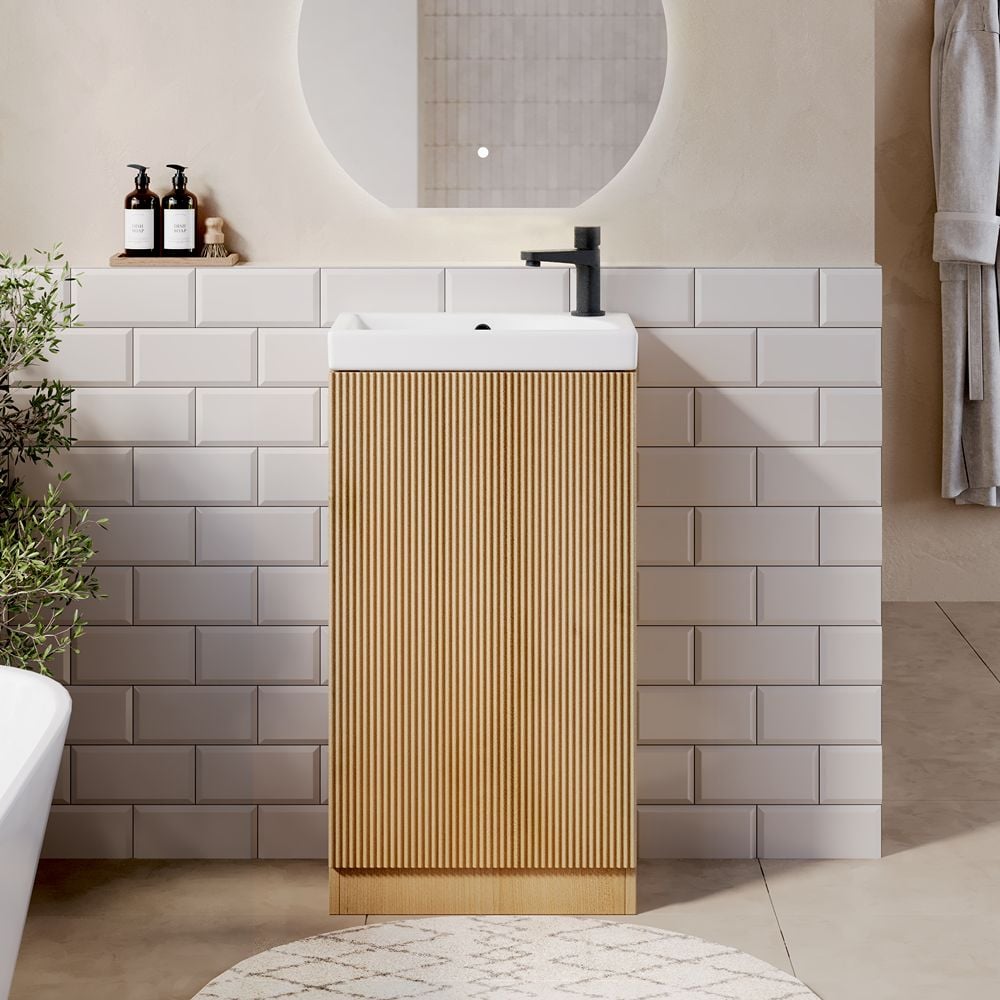
Furniture and cabinetry should also be chosen with humidity in mind. PVC vanities, waterproof MDF, or treated wood are excellent choices for bathroom storage, as they resist swelling and warping caused by prolonged exposure to moisture. Avoid using untreated wooden furniture, which can absorb water and become damaged over time. For flooring, porcelain or ceramic tiles are the best options, as they are non-porous and highly resistant to water damage.
Keep the Bathroom Door Open Whenever Possible
One of the simplest ways to reduce moisture buildup is to allow as much airflow as possible. Keeping the bathroom door open after a shower lets humid air escape and allows fresh air to circulate through the space. If privacy is a concern, consider installing a vented bathroom door. These doors have built-in air vents that allow for better air exchange between the bathroom and the rest of the home, even when closed.
For bathrooms connected to hallways or bedrooms, placing a small oscillating fan outside the door can help push fresh air into the space. This technique is especially useful in homes where the bathroom is enclosed with little natural airflow. The more frequently air is exchanged, the less chance there is for humidity to settle and cause issues.
Invest in Moisture-Absorbing Products
In addition to proper ventilation, using moisture-absorbing products can provide an extra layer of protection against humidity. Activated charcoal, baking soda, and calcium chloride crystals are all highly effective at absorbing excess moisture from the air. These materials can be placed inside decorative containers and positioned on bathroom shelves, inside cabinets, or near areas prone to dampness.
For long-term use, it’s important to refresh or replace these moisture absorbers regularly. Baking soda should be replaced every few weeks, while activated charcoal can last several months before needing a change. By incorporating these products into your bathroom routine, you can help maintain a drier, fresher environment without relying solely on electric appliances.
Wipe Down Surfaces After Showering
One of the most effective ways to prevent moisture problems is to eliminate water buildup before it becomes an issue. After every shower, taking a few minutes to wipe down tiles, mirrors, and glass shower doors can make a significant difference in reducing overall humidity levels. A squeegee is a simple yet highly effective tool for this purpose, allowing you to quickly remove excess water from surfaces before it has a chance to evaporate into the air.
In addition to glass and tile, countertops and floors should also be dried regularly. A microfibre cloth works well for absorbing residual moisture and preventing water spots. While this habit may seem small, it can greatly reduce the risk of mildew growth, particularly in bathrooms where moisture lingers for long periods.
Introduce Humidity-Loving Plants
Certain plants thrive in humid conditions and actively absorb moisture from the air, making them an excellent natural solution for combating humidity in a bathroom without a window. Peace lilies, boston ferns, and spider plants are particularly effective at pulling excess moisture from their surroundings while also improving air quality.
Since windowless bathrooms receive little natural light, selecting low-light tolerant plants is essential. Many humidity-loving plants do well under artificial lighting, but for best results, consider using LED grow lights to ensure they receive enough energy to thrive. Not only do these plants contribute to moisture control, but they also enhance the overall aesthetic of the bathroom, bringing a touch of nature into the space.
Regularly Check for Mould and Mildew
Preventing humidity-related problems is always easier than dealing with them once they appear. Regular inspections can help catch mould and mildew before they become severe. Pay close attention to grout lines, ceiling corners, under sinks, and behind cabinets, as these areas are particularly susceptible to moisture buildup.
If you notice small patches of mould, act quickly by cleaning them with white vinegar, baking soda, or a specialist anti-mould spray. Avoid using bleach, as it can sometimes cause spores to spread rather than eliminating them completely. Keeping on top of regular cleaning ensures that moisture never has a chance to develop into a bigger issue.