Sale
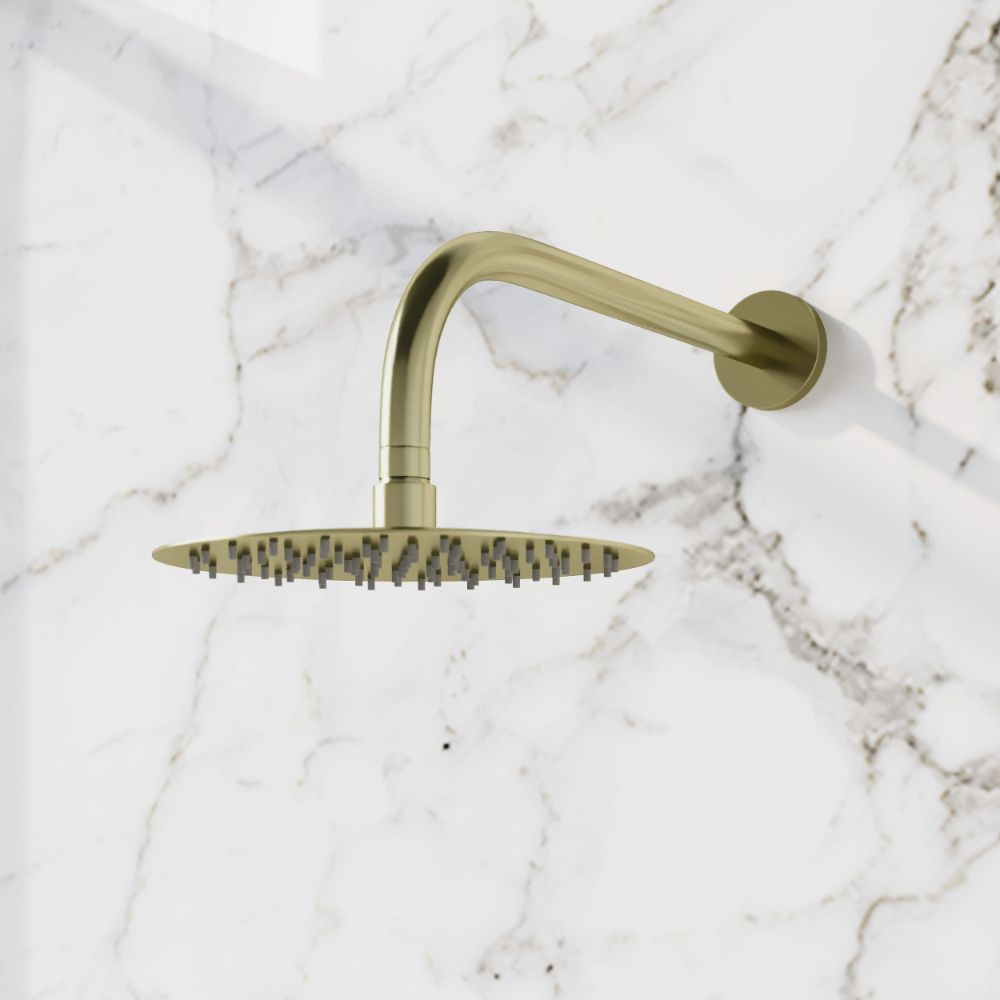
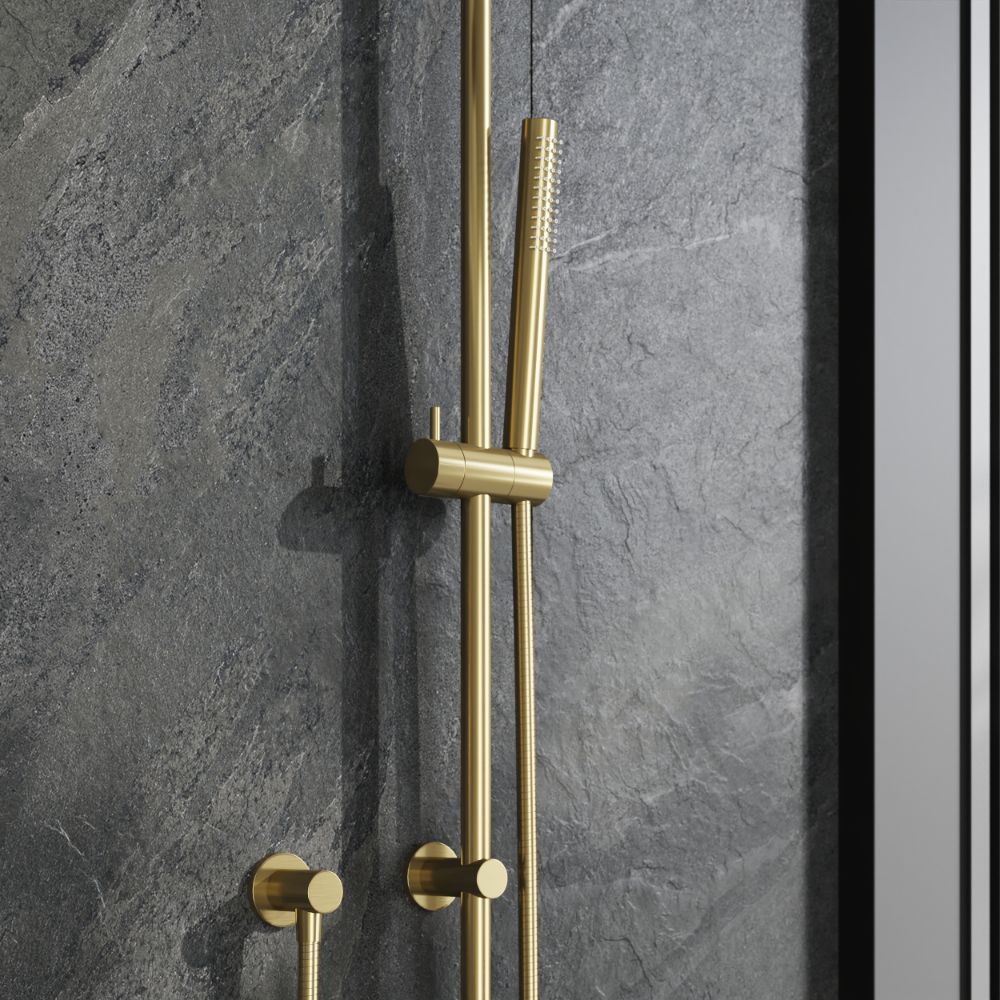
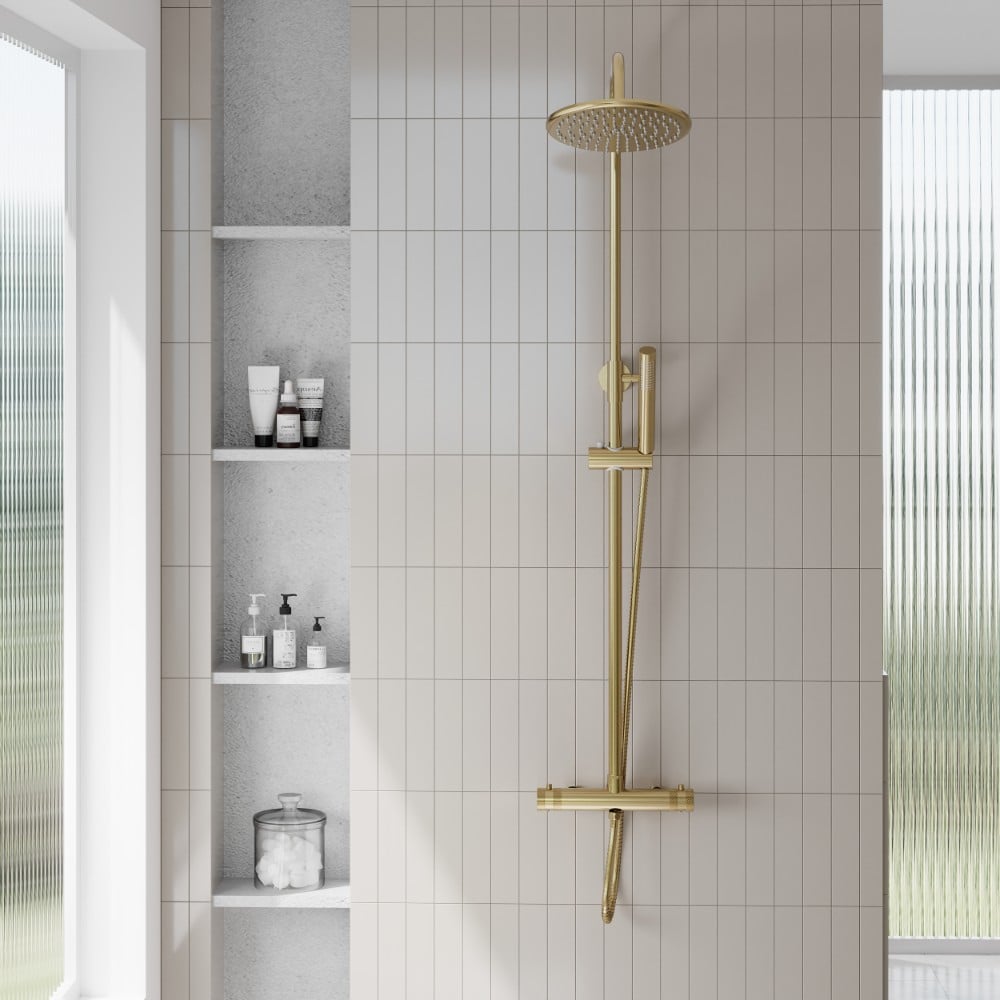
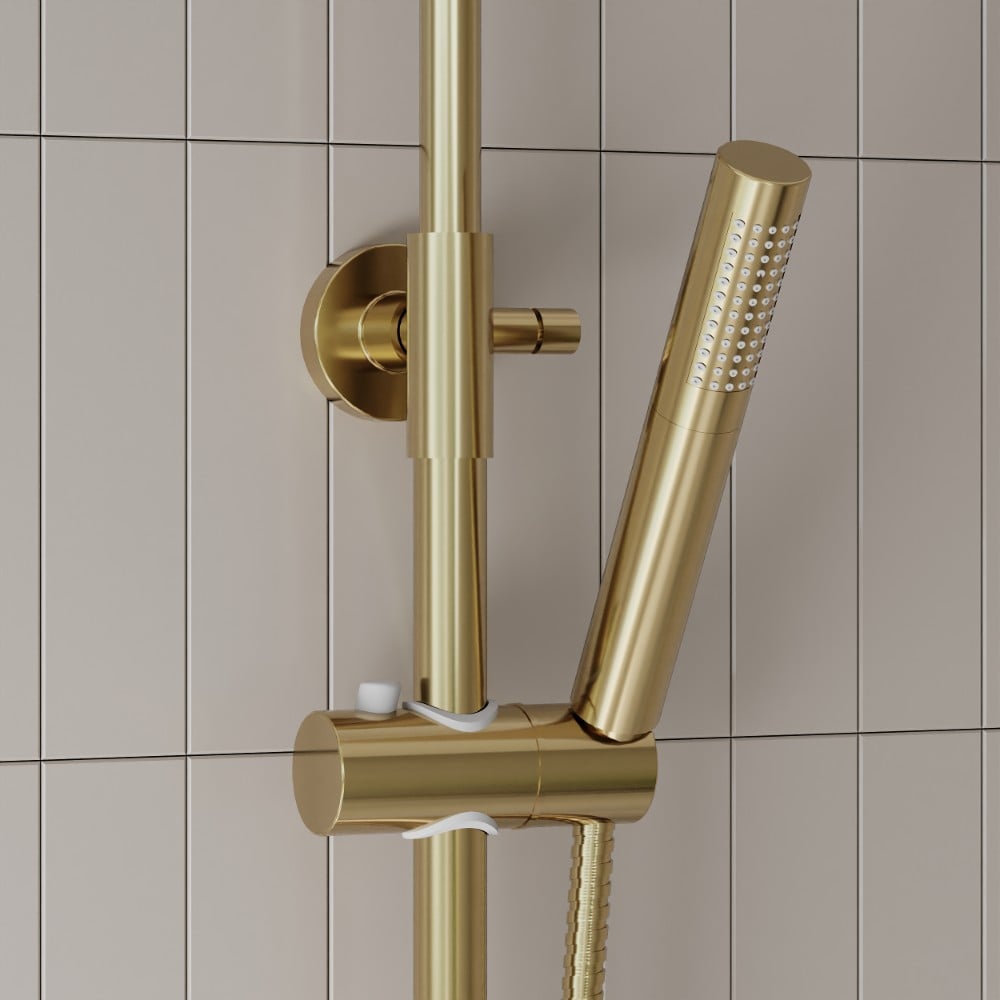
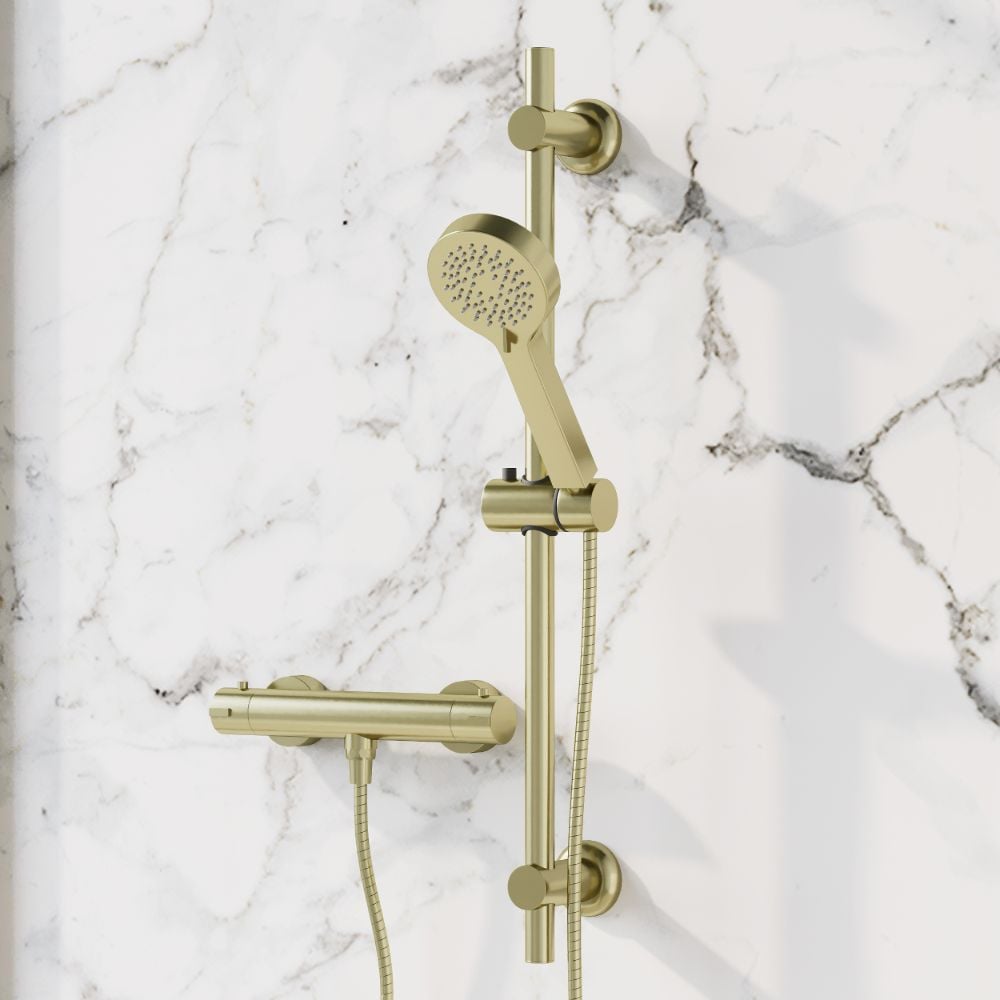
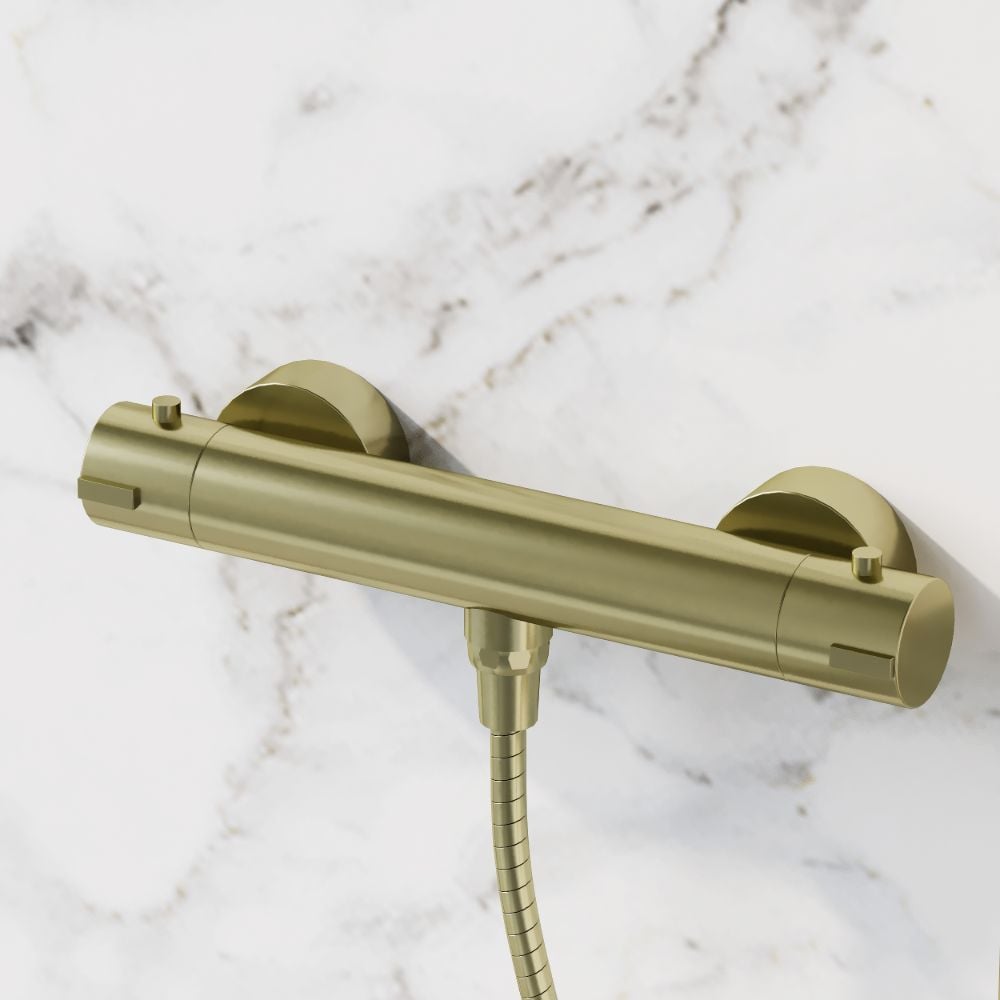
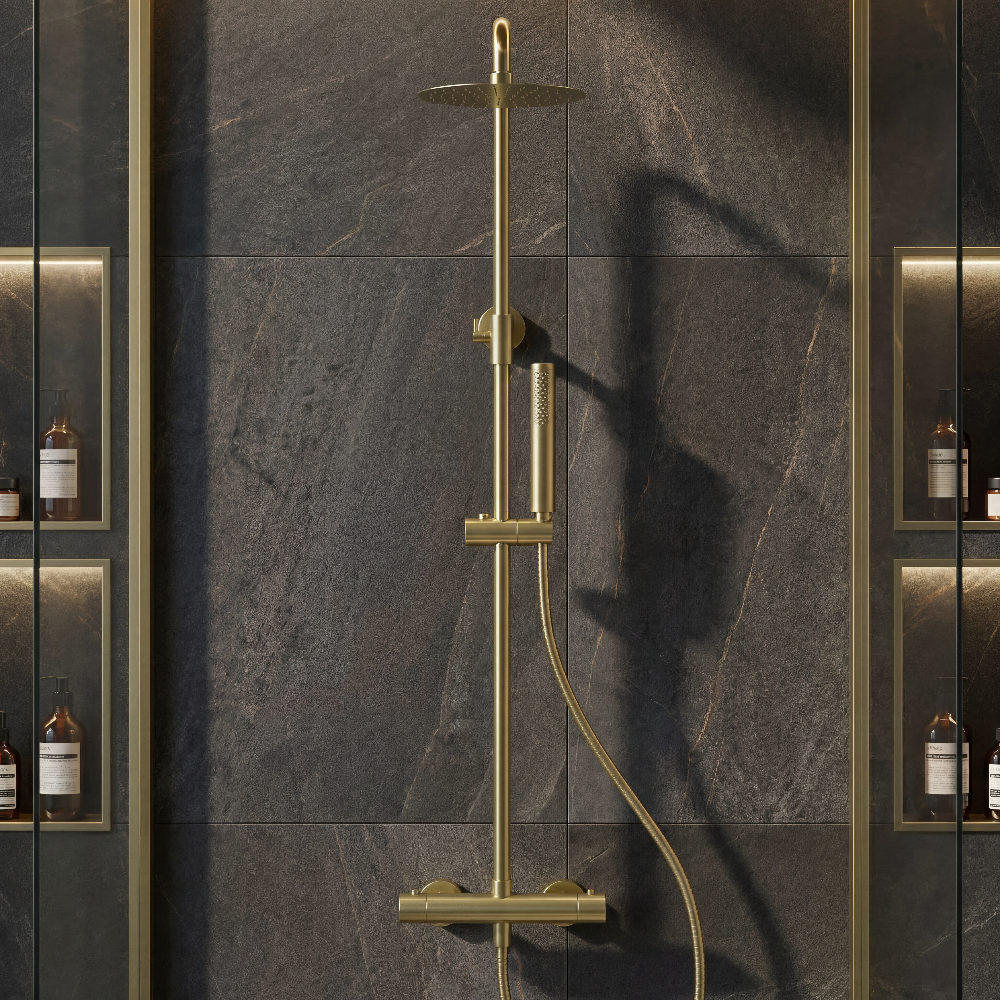
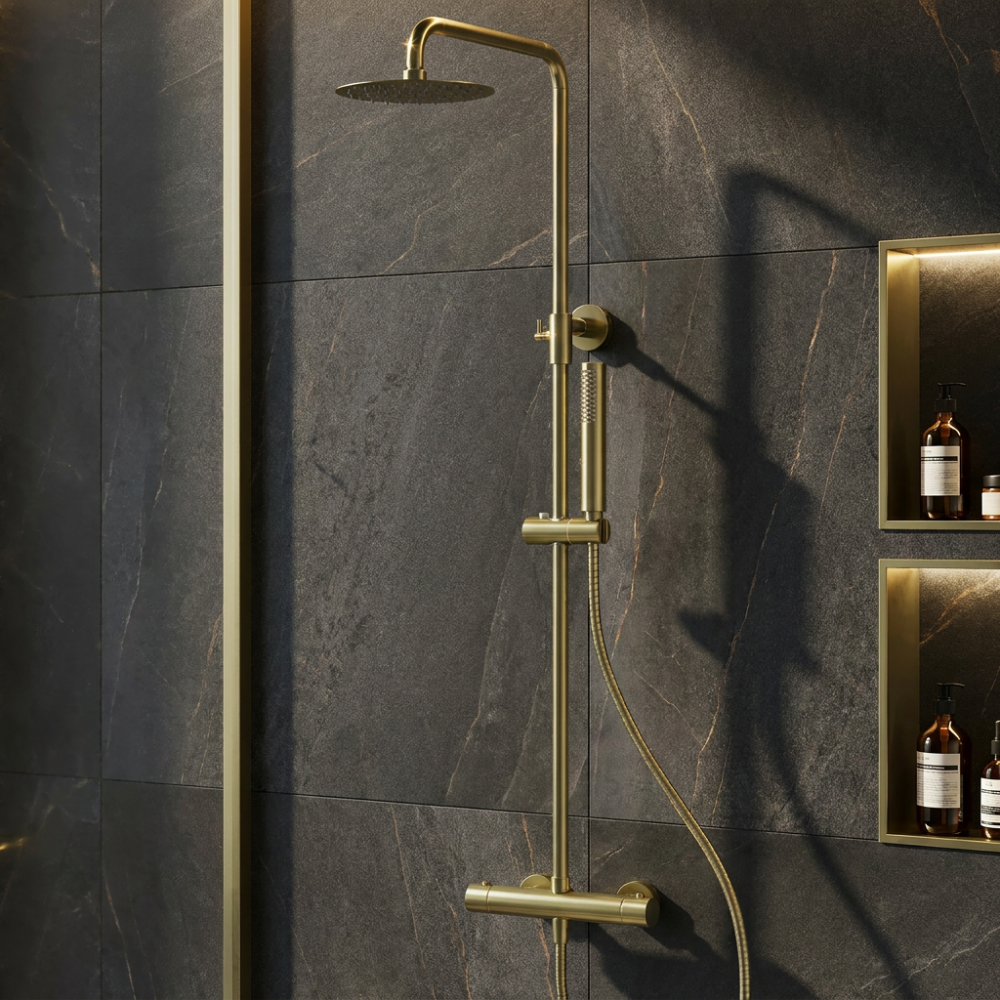
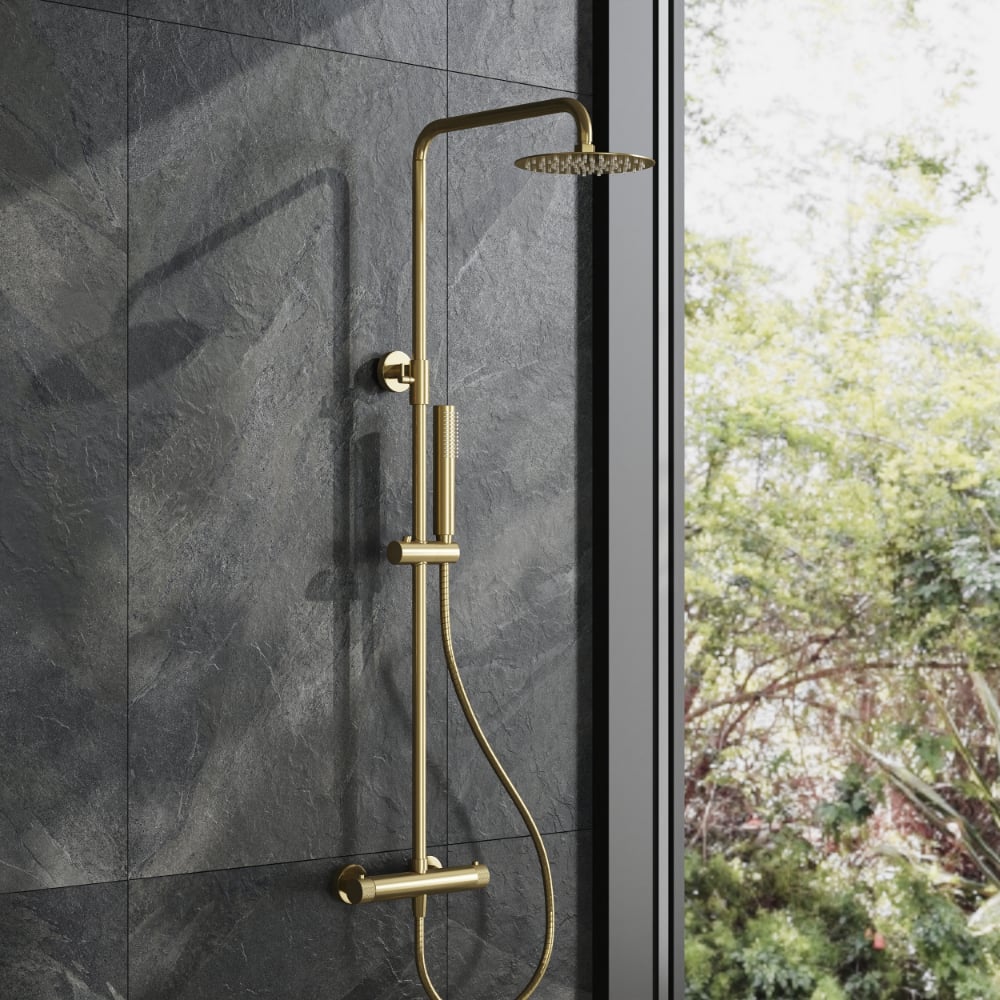
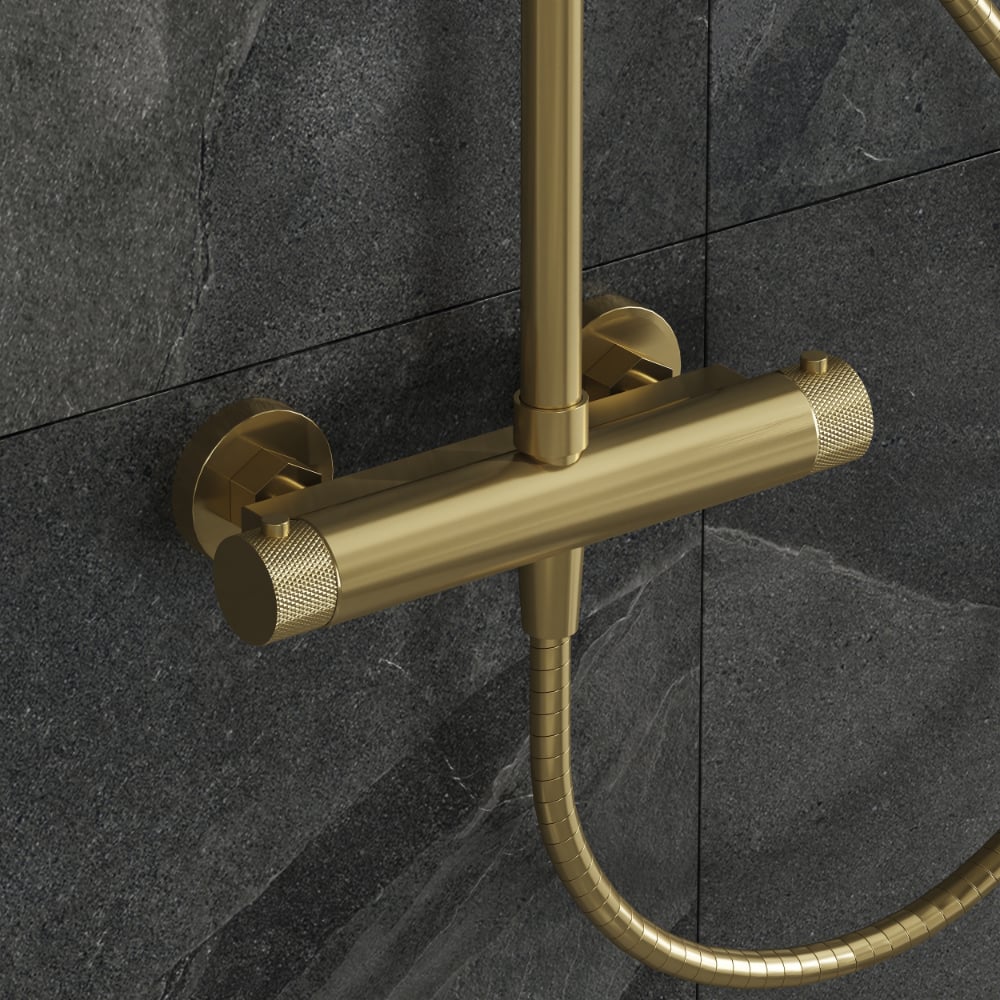
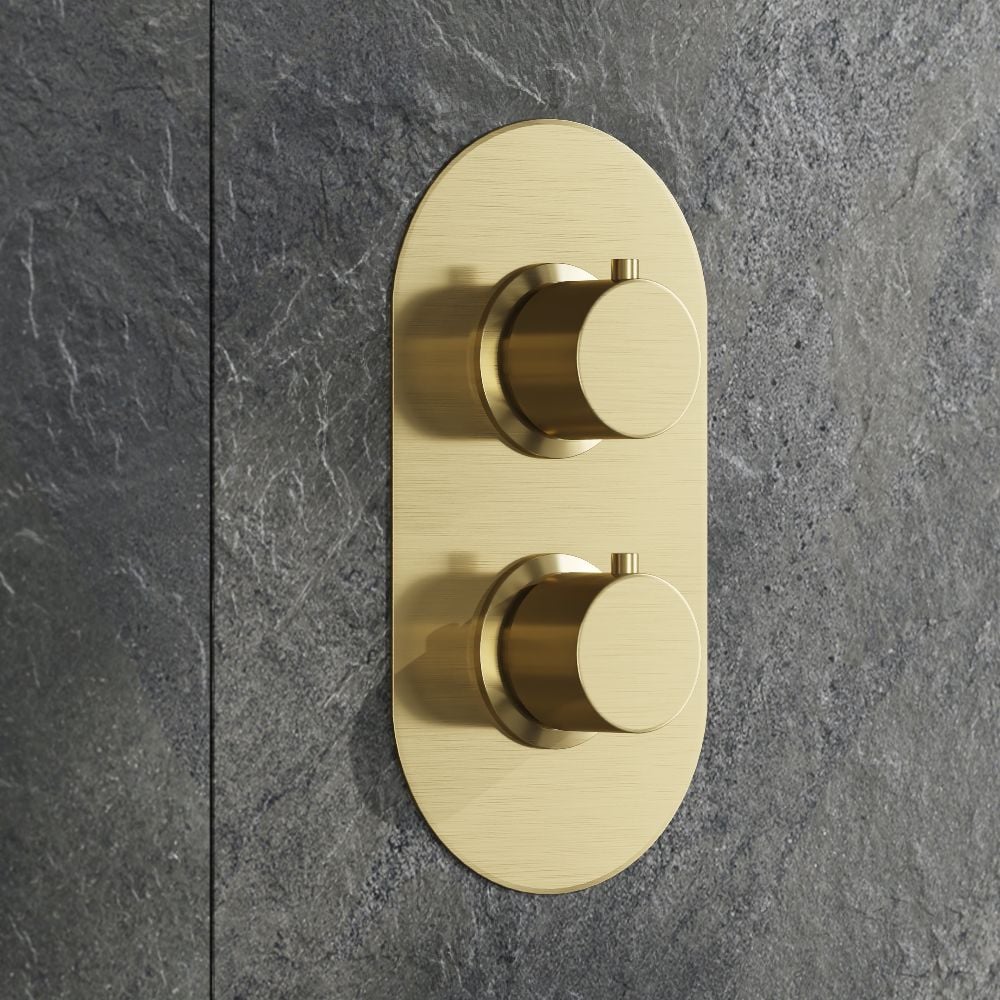
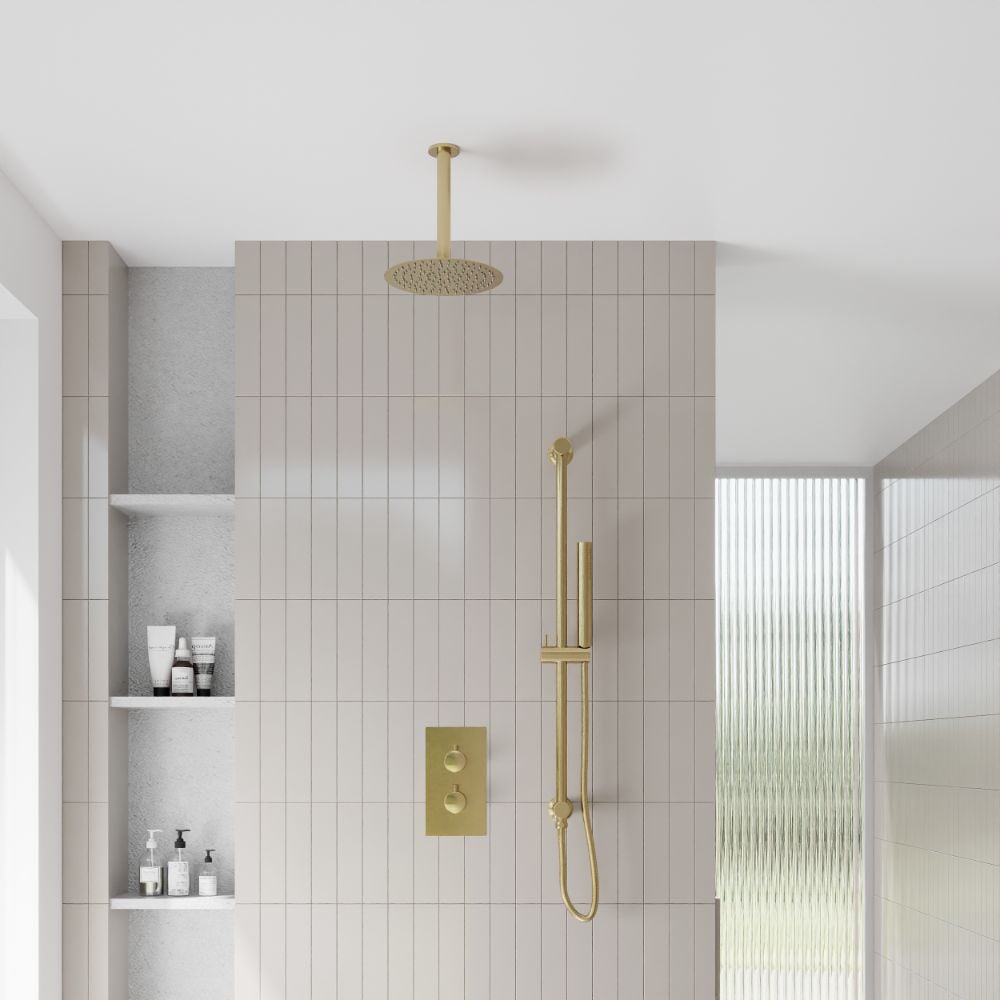
CORE Brushed Brass Thermostatic Rigid Exposed Rain Head Shower
RRP: £550
Original price was: £279.99.£189.00Current price is: £189.00.
RRP: £550
Original price was: £279.99.£189.00Current price is: £189.00.
Next day delivery available
£30 off £500+ (Code: AUT2630OFF) • £100 off £1000+ (Code: AUT26100OFF) • £200 off £2000+ (Code: AUT26200OFF)
An exposed shower is one where the valve and the pipework sit on the face of the wall, on show, rather than being buried behind it. That makes it far easier to fit than a concealed setup, because you are not chasing pipes into a wall or building a false one to hide them, which is why it is the sensible choice on a solid brick wall.
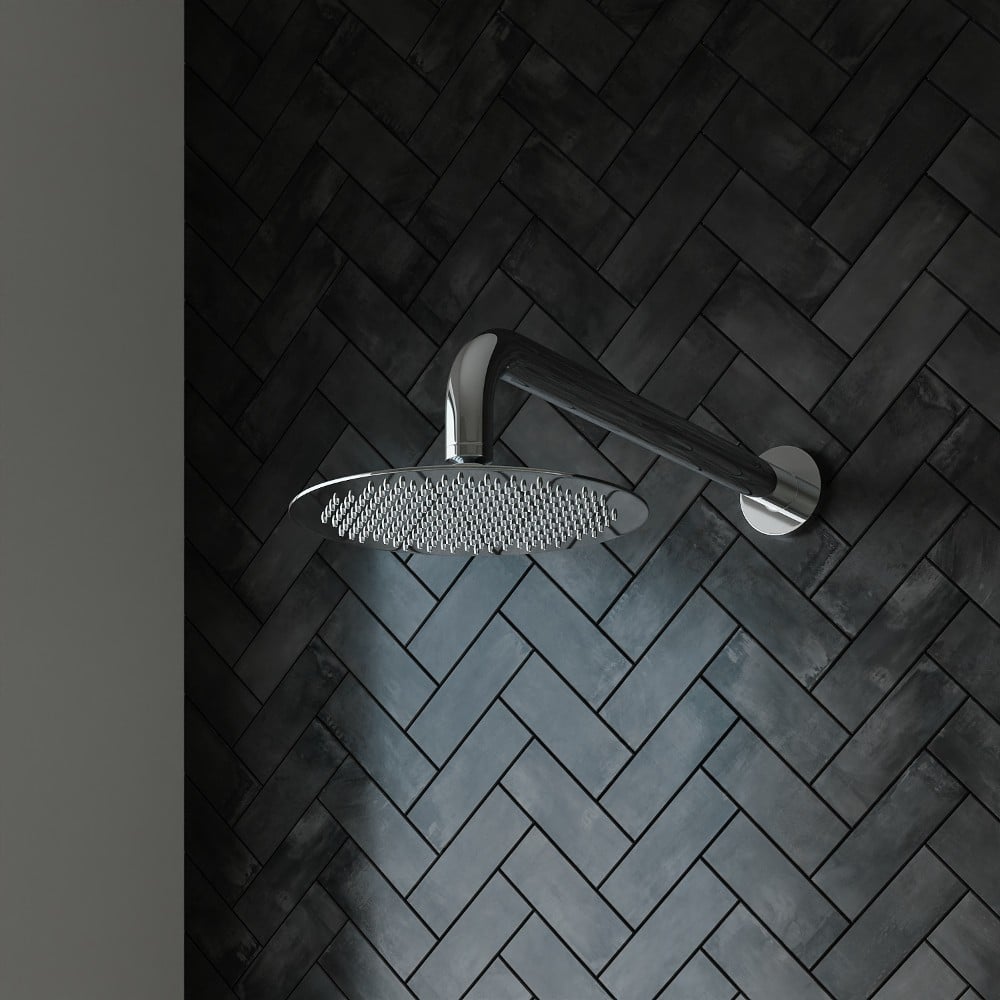
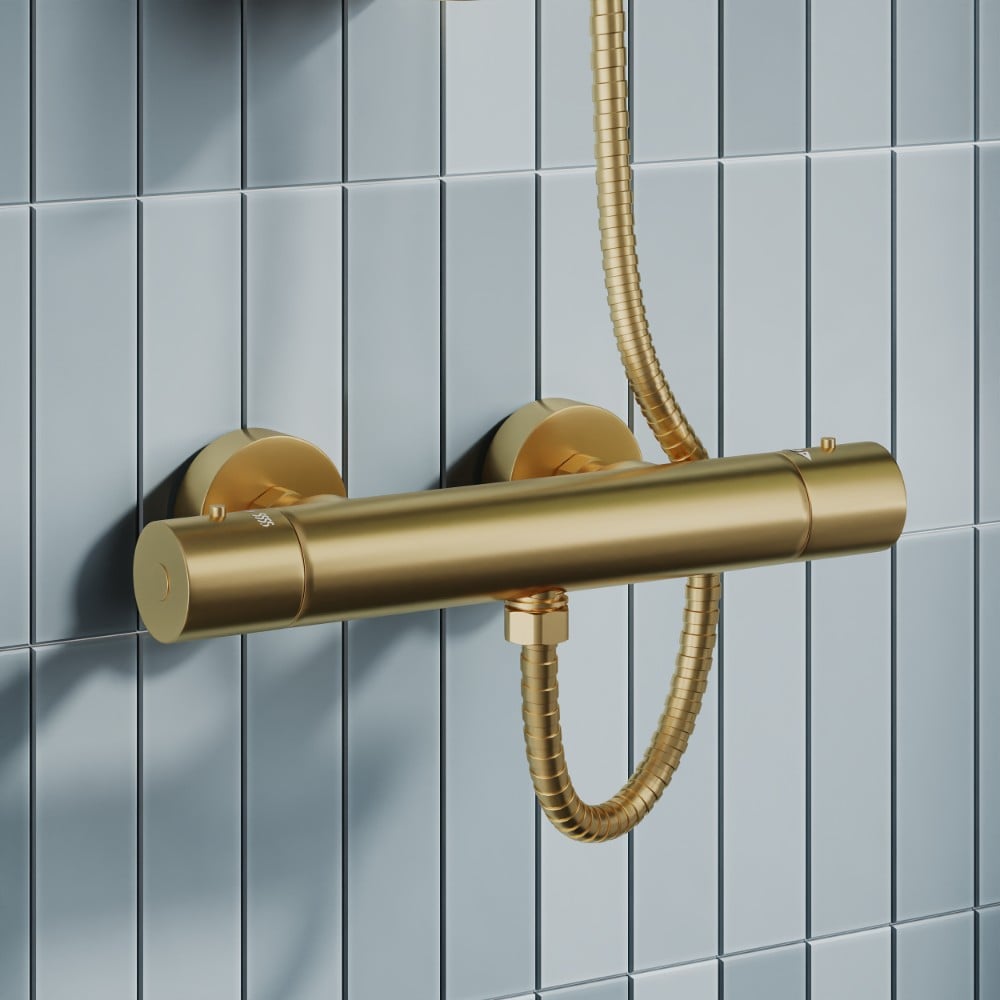
Go thermostatic if you can. A thermostatic valve holds the temperature you set, so nobody gets a cold blast when a tap is run elsewhere in the house, and everything featured in the guide below is thermostatic. After that it comes down to finish and format. Chrome is the safe match, brushed brass and brushed bronze are the warm options and matte black is the sharper look. For format, it is a full kit with a riser and head, or just the bar valve on its own.
Two things decide it: the finish, which has to match the rest of your brassware, and the format, meaning a full kit versus just the valve. Get those right and the rest is detail.
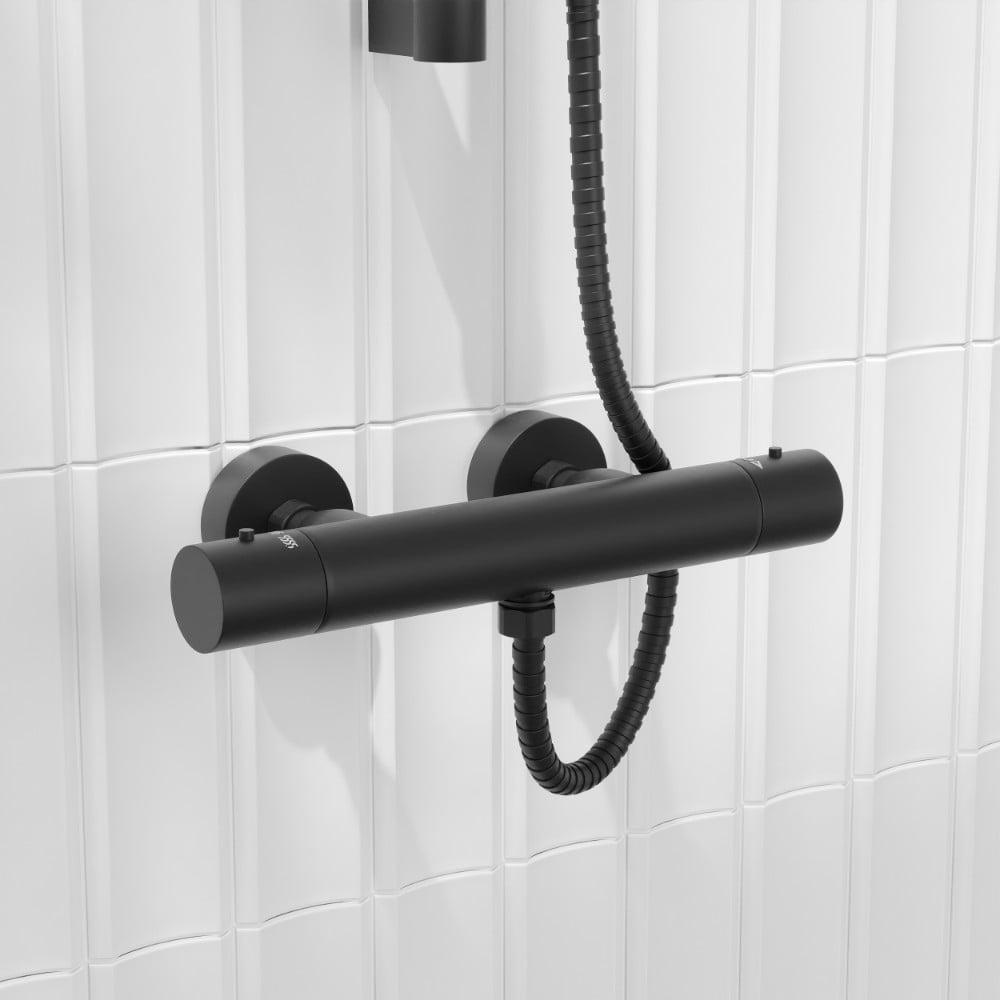
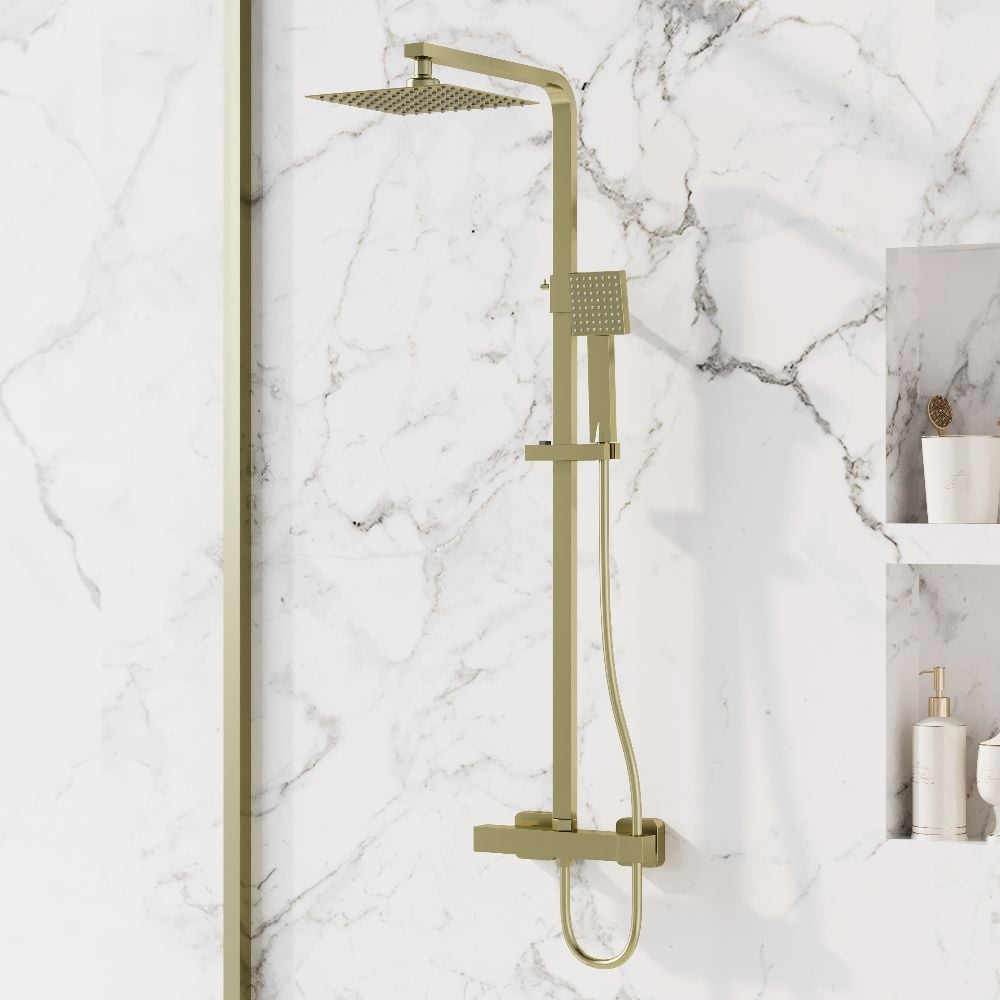
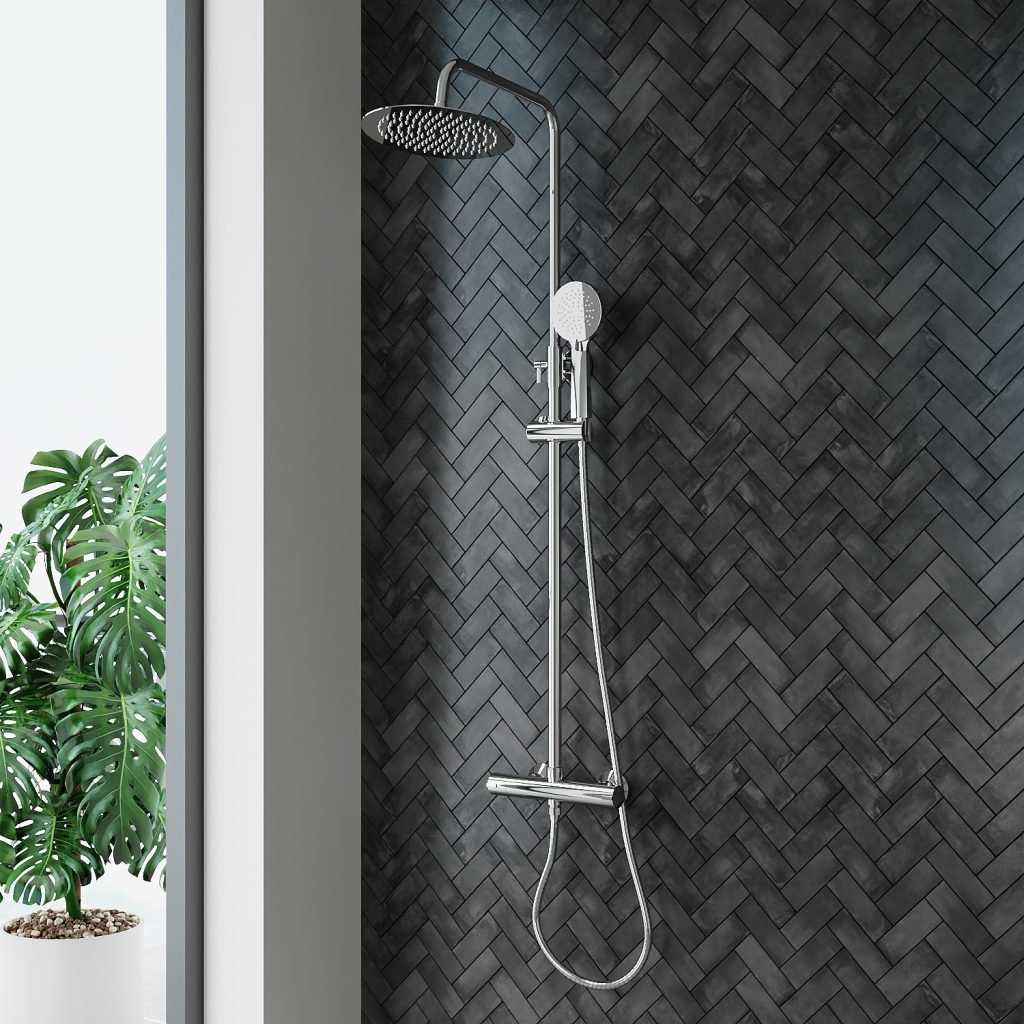
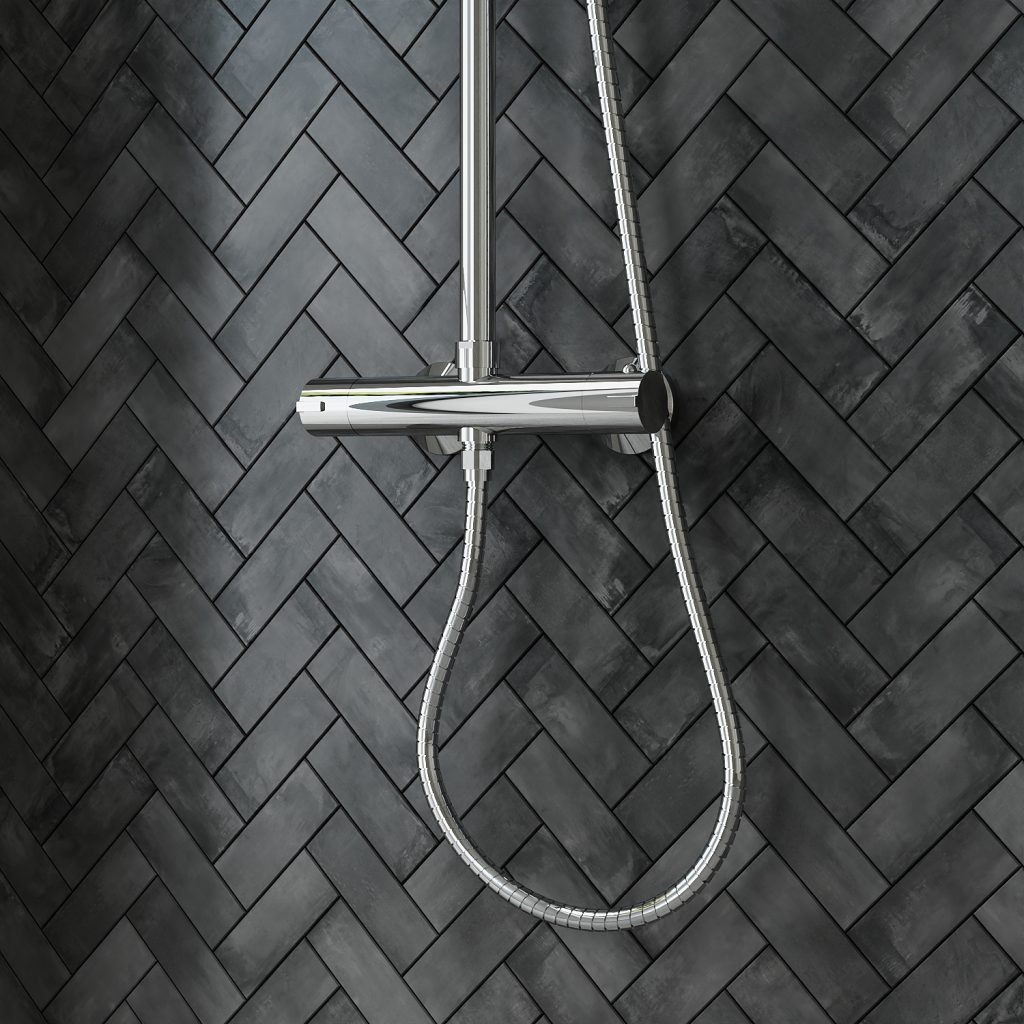
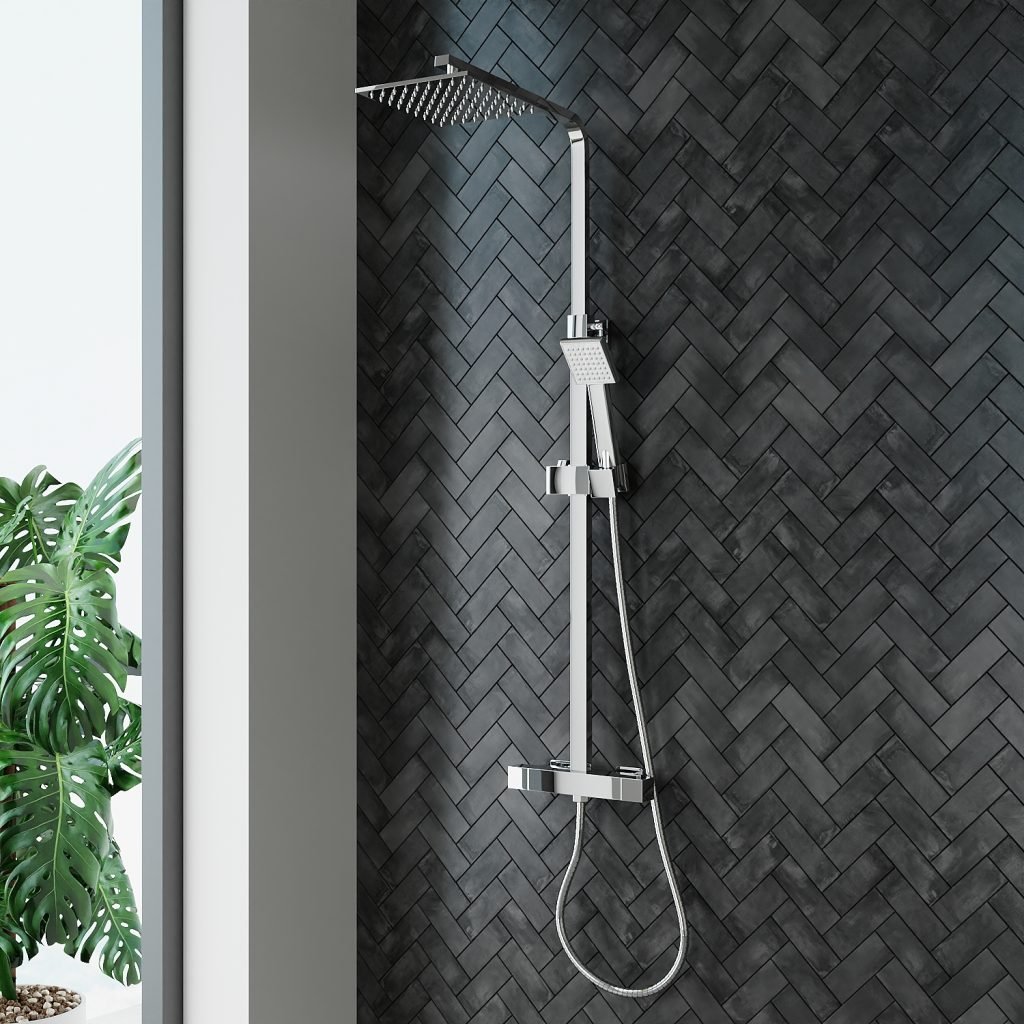
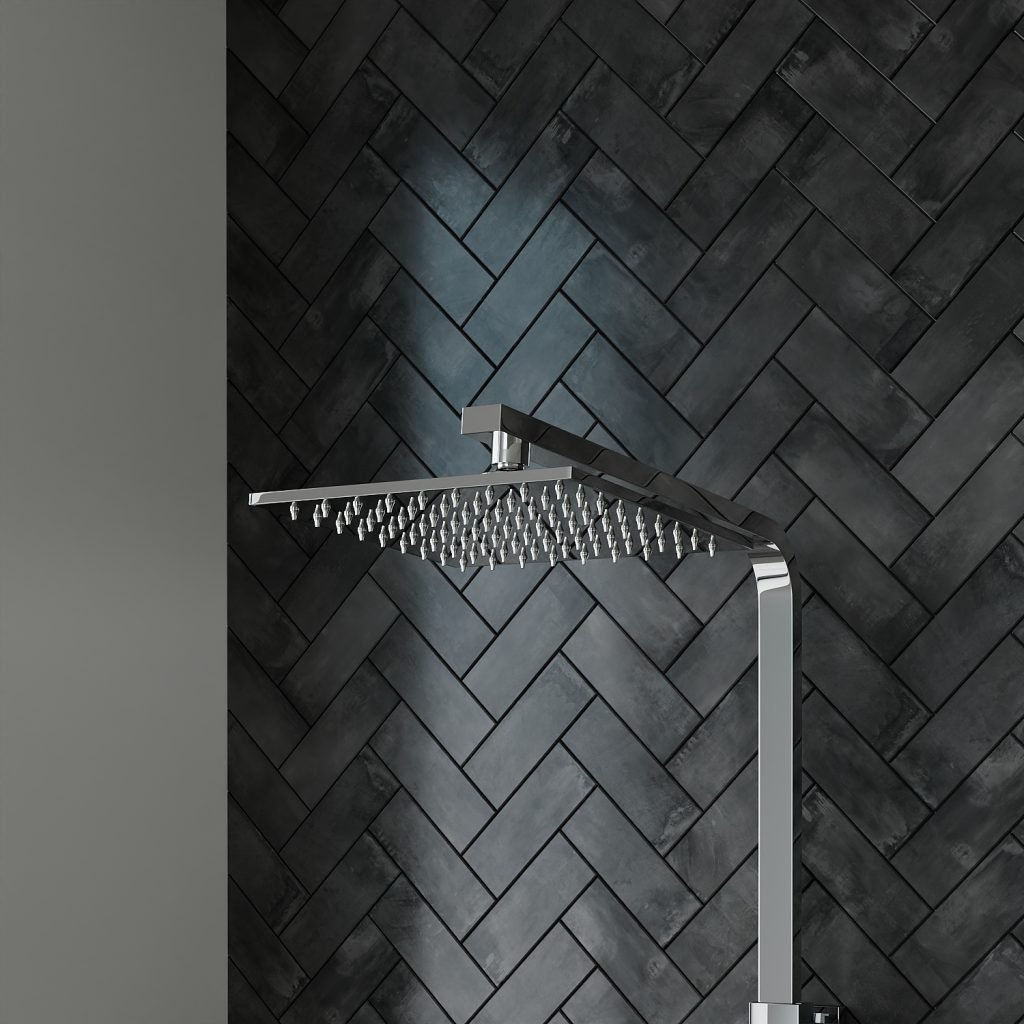
Pick your format first. A full kit is the whole job in one box: a thermostatic valve, a riser rail, an overhead rain head and usually a handset on a hose, all matched to each other. This is what most people mean when they search for a shower set. The Lanza Chrome Thermostatic Square Exposed Rain Head Shower Set at £119 is a straightforward chrome example, with a square rain head that has easy-clean nozzles, a handheld spray and an adjustable riser. A bar valve and riser kit leaves out the big overhead head and gives you a thermostatic bar valve with a riser and handset, which is fine if you do not want a drencher above you. A bar valve on its own suits you when you already have a riser or a separate head and only need the controls: the Core Thermostatic Barvalve in Chrome at £129 is a dual-control exposed valve in solid brass with a bottom outlet and a lifetime guarantee from the maker. There are more of them in shower valves and controls.
Thermostatic beats manual, every time. A thermostatic valve holds the temperature you set even when the pressure changes, so you do not get blasted with cold, or scalded, when a tap or the loo is used somewhere else in the house. A manual valve just mixes hot and cold and leaves you to ride the temperature yourself. That is fine right up until someone runs the kitchen tap, which is why thermostatic is the one to have in a family bathroom.
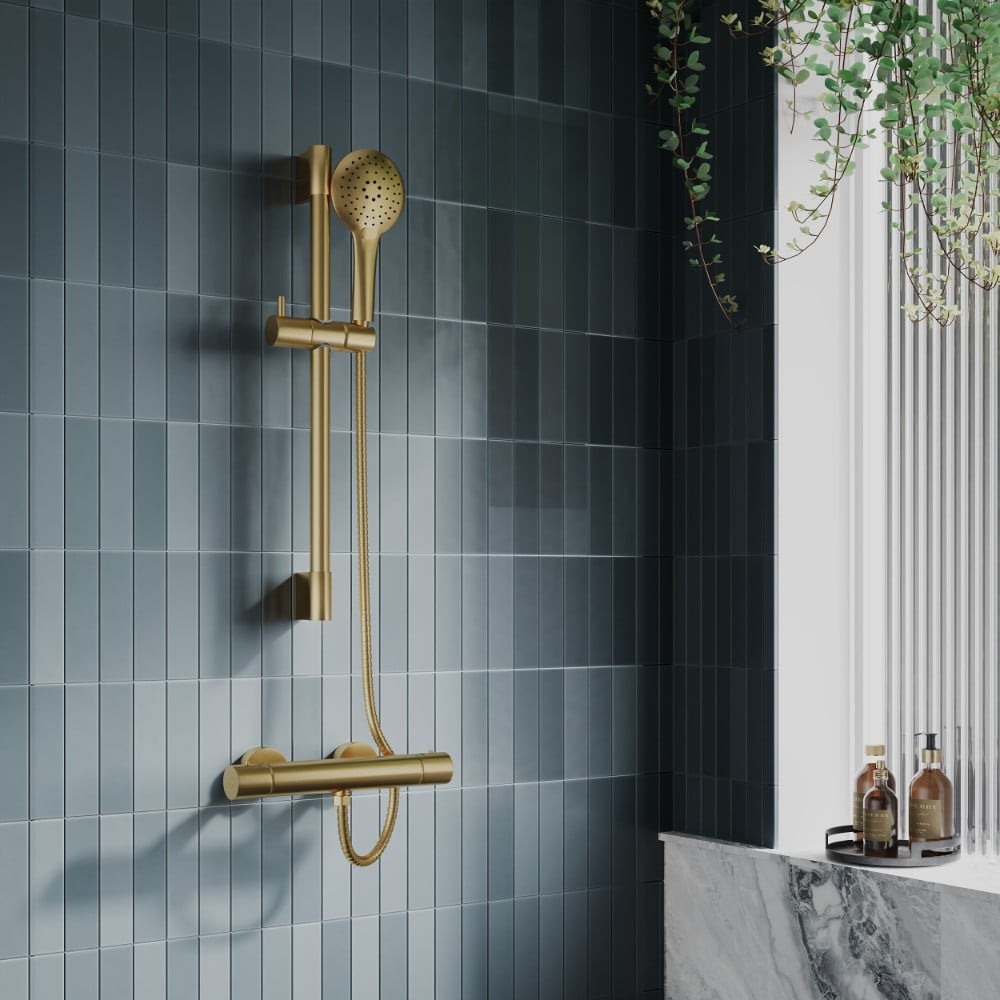
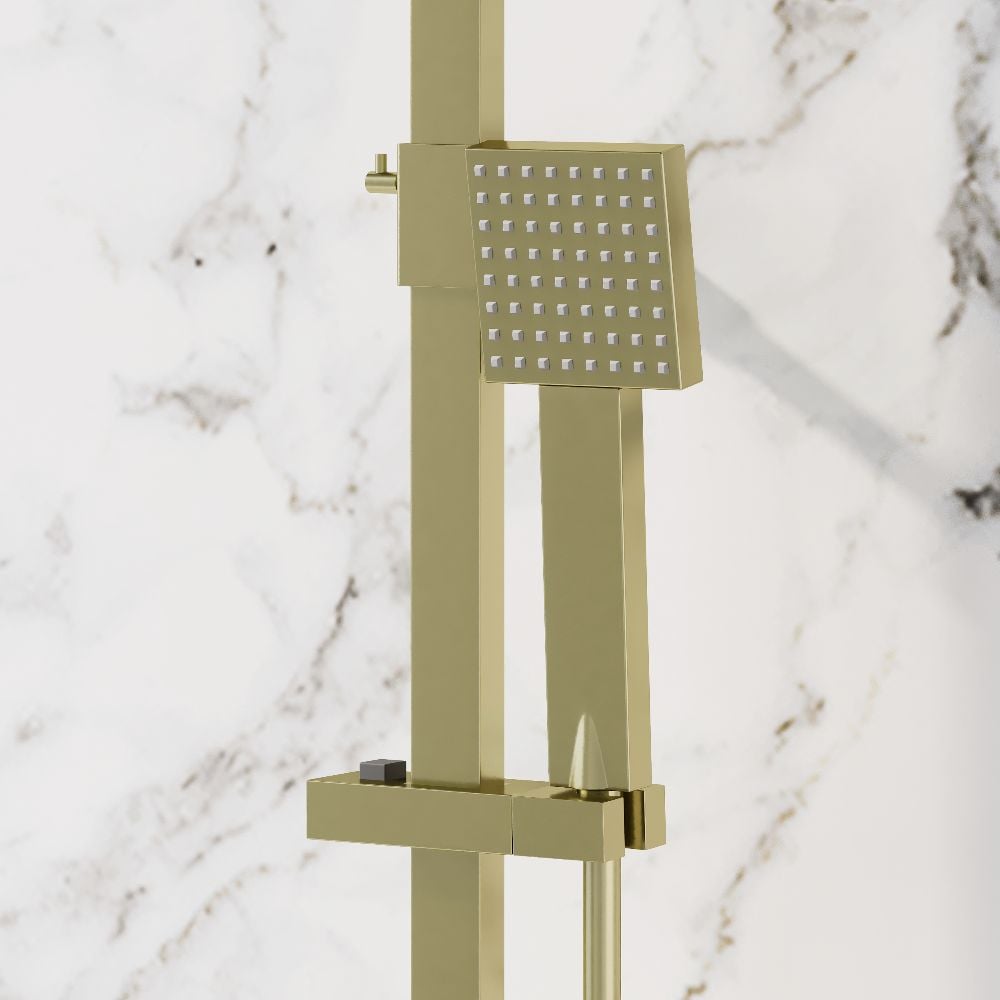
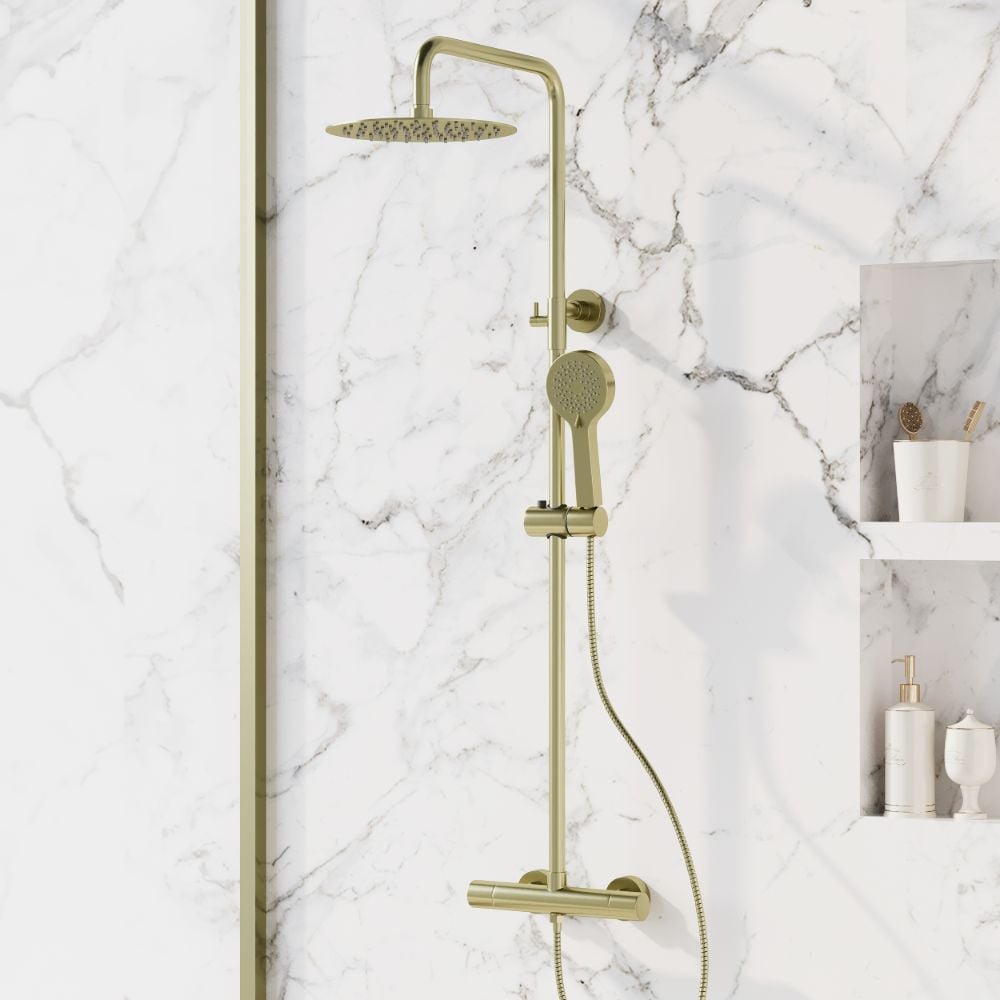
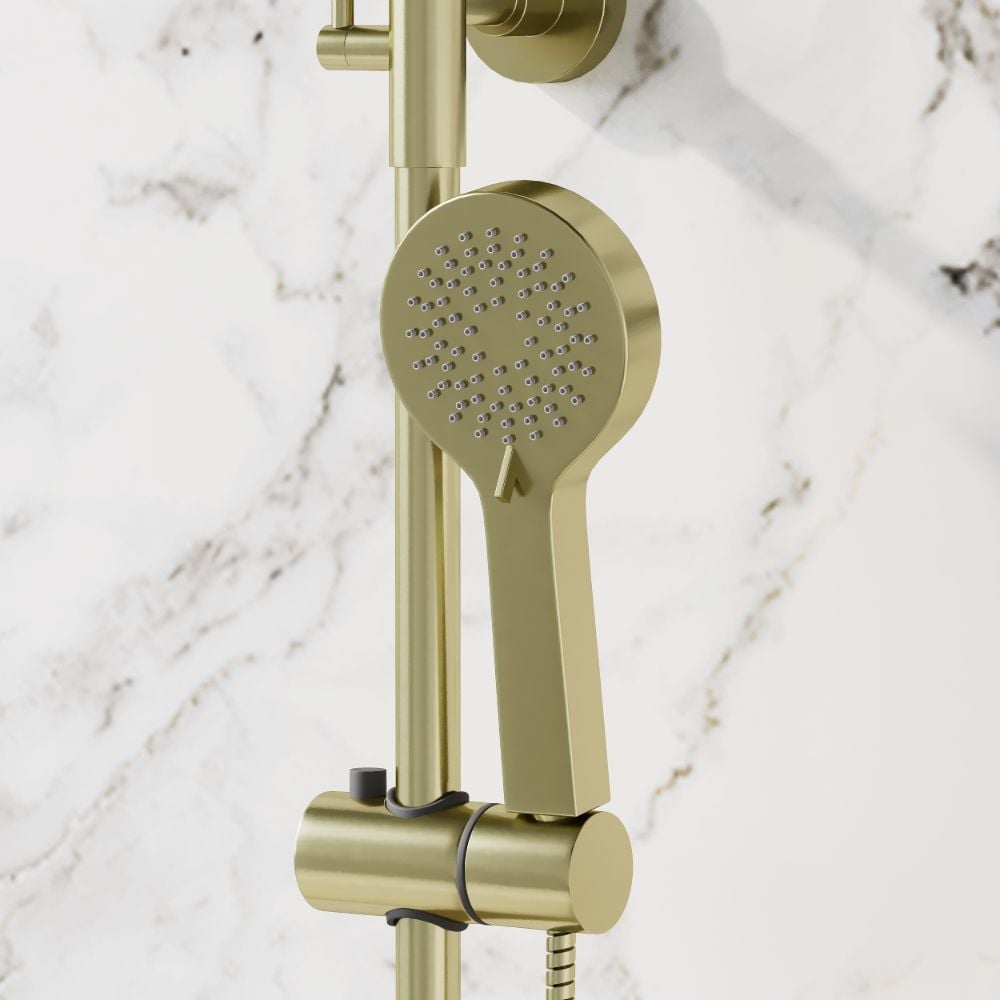
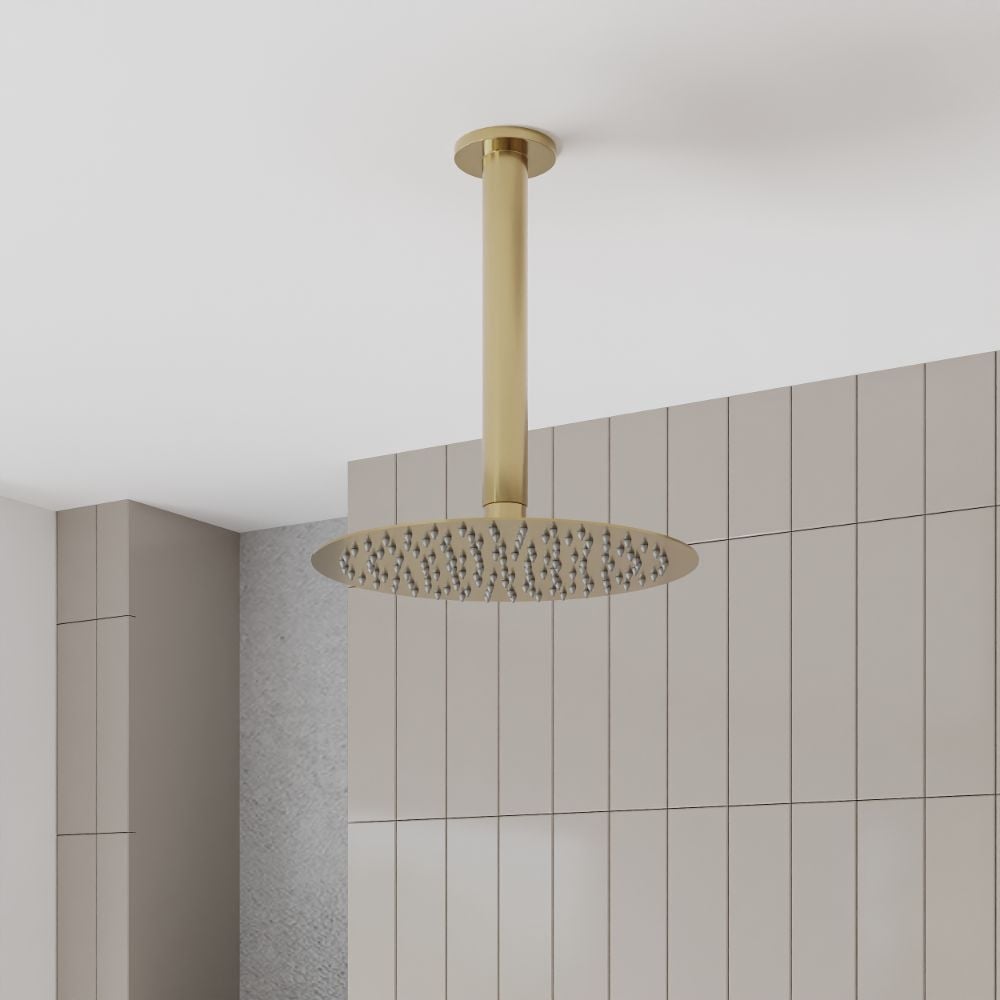
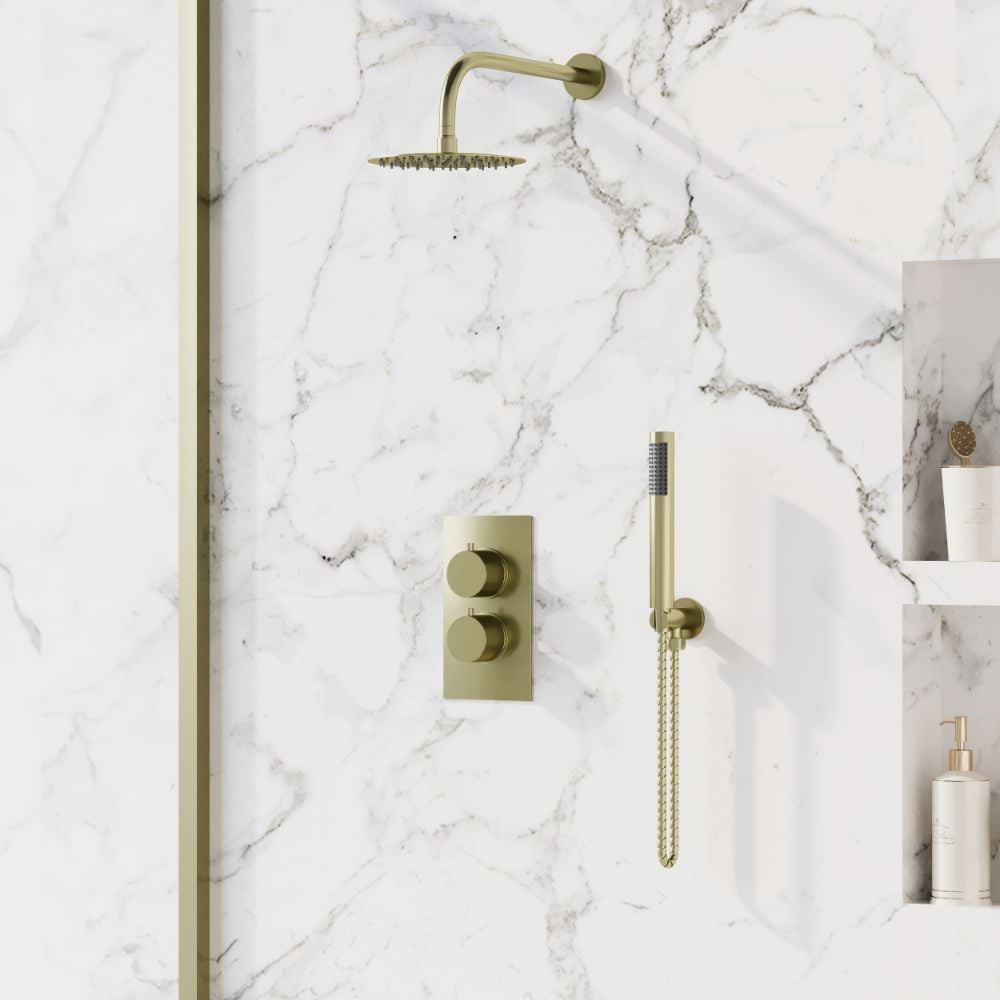
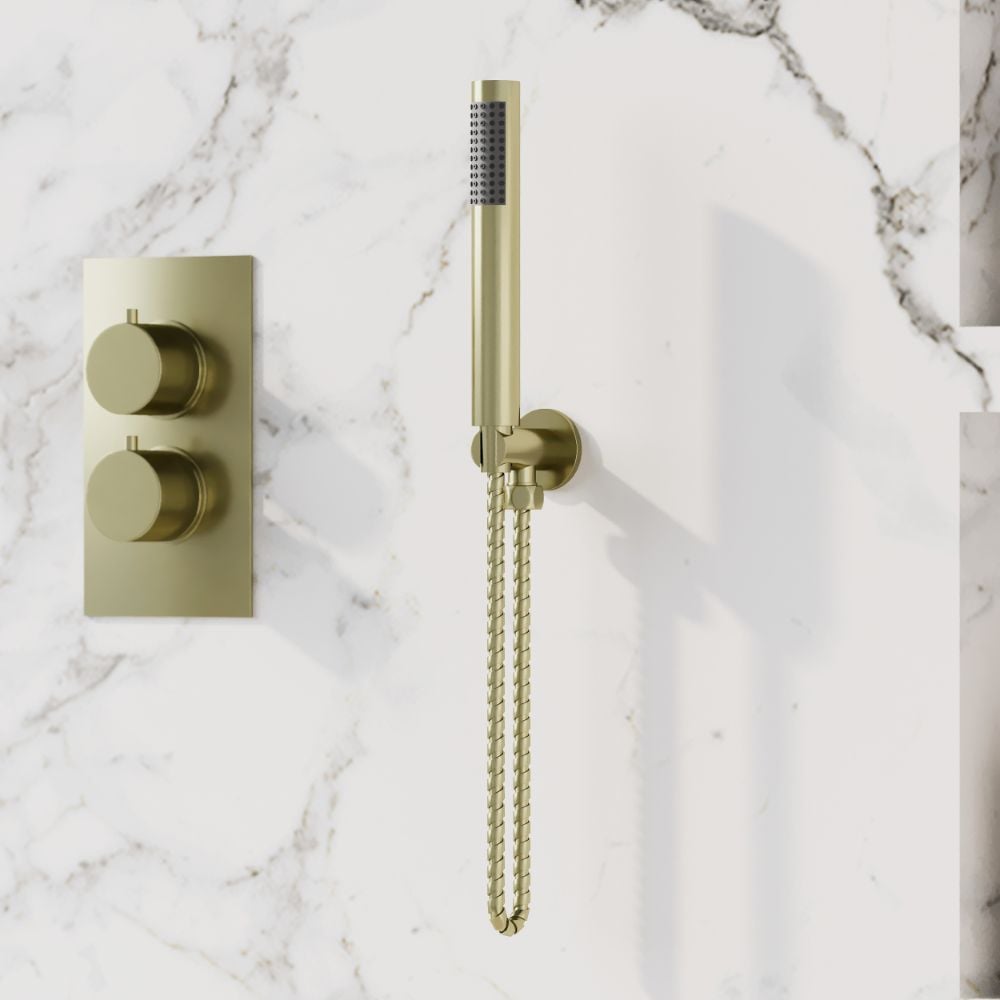
Match the finish to your taps. Chrome is the safe default: it goes with almost anything and it is the easiest finish to find matching accessories for, so if you are unsure, chrome, and the full chrome shower range is worth a look. Brushed brass is the warm option, softer and less shiny than polished gold, and the CORE Brushed Brass Thermostatic Rigid Exposed Rain Head Shower at £189 is a complete kit in that finish with a fixed round head, a handset and an adjustable telescopic riser rail.
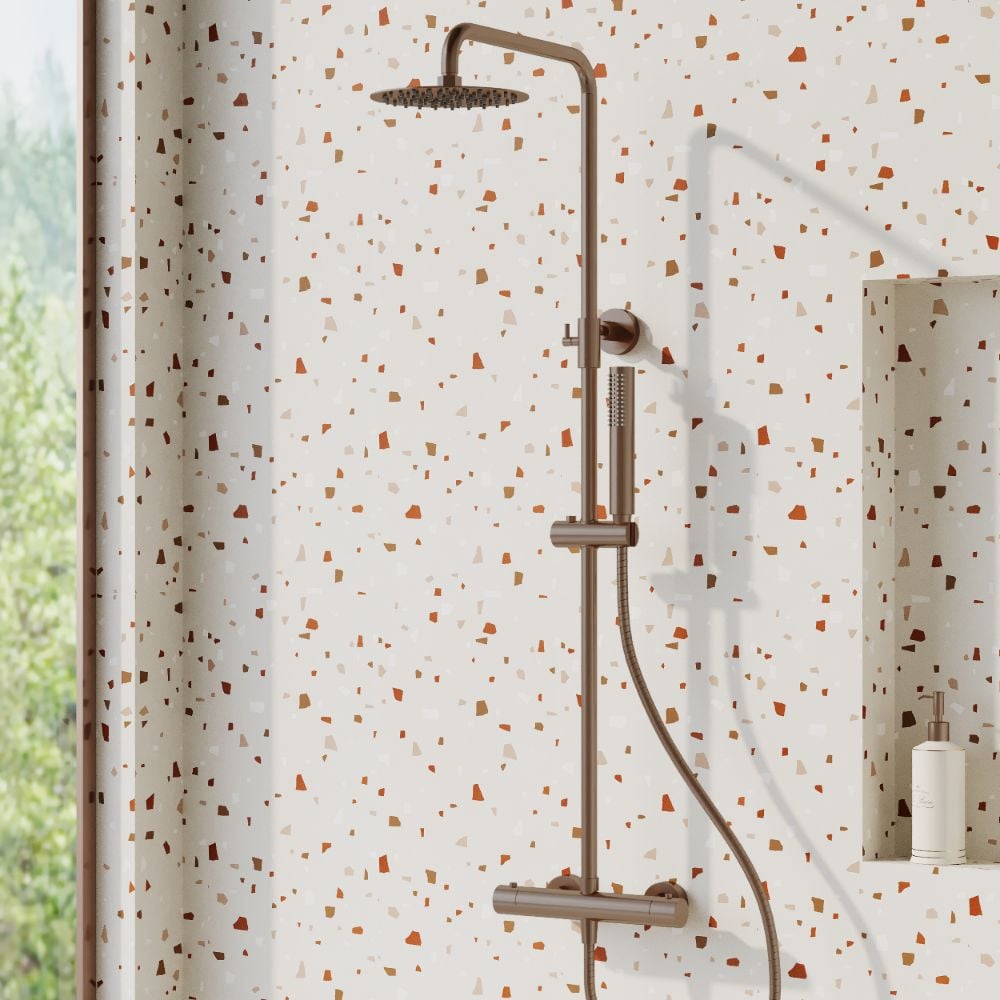
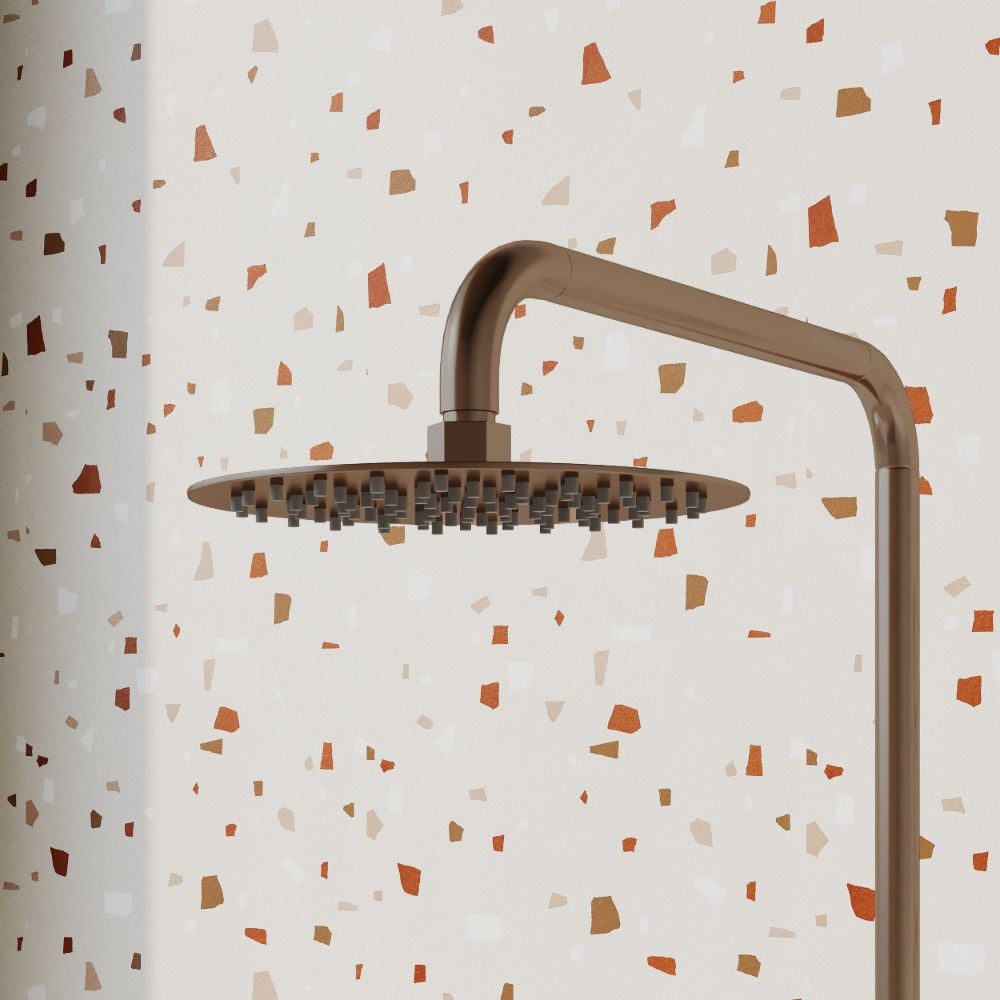
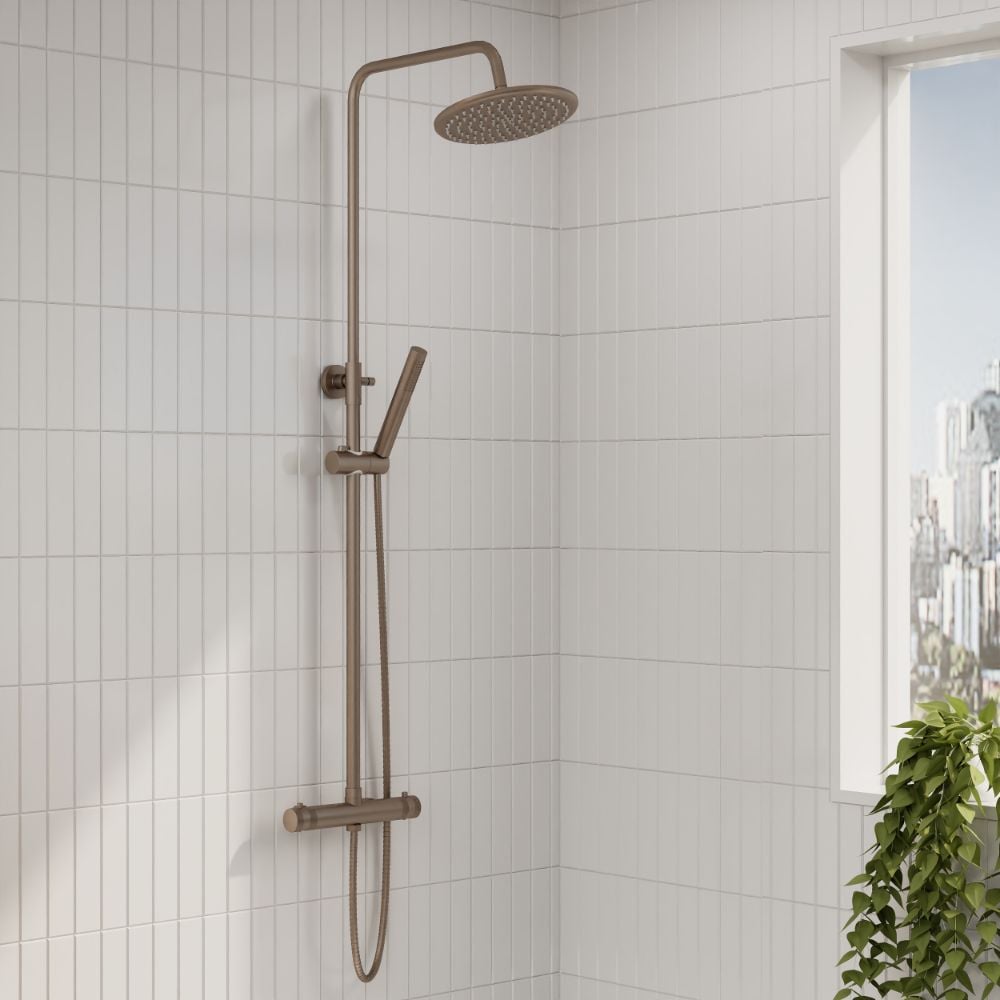
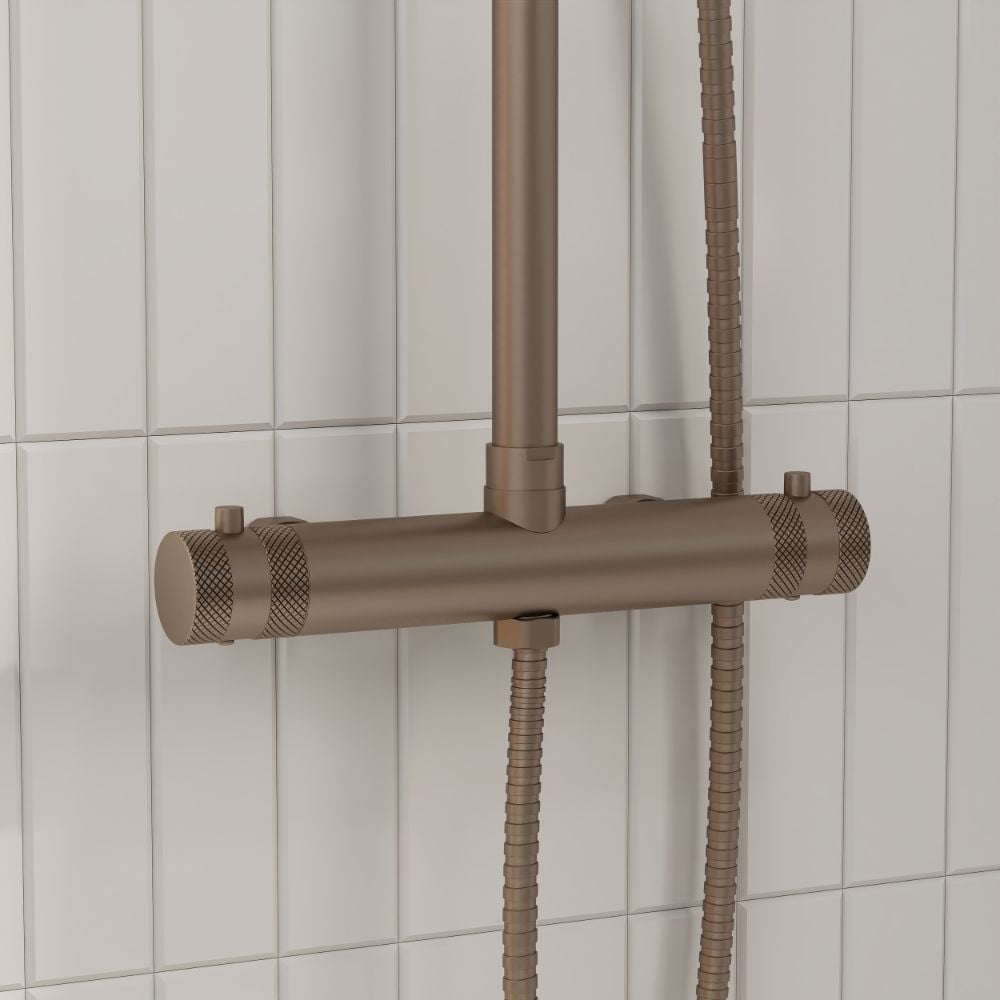
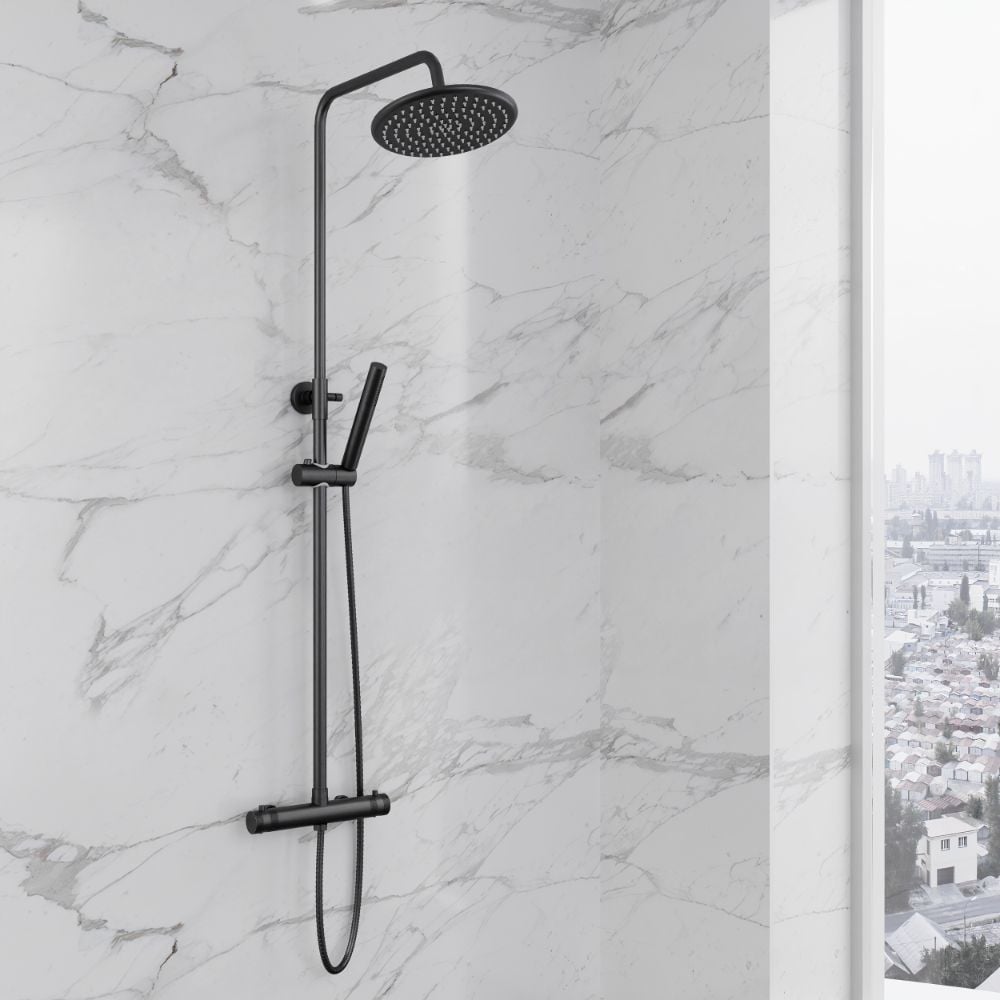
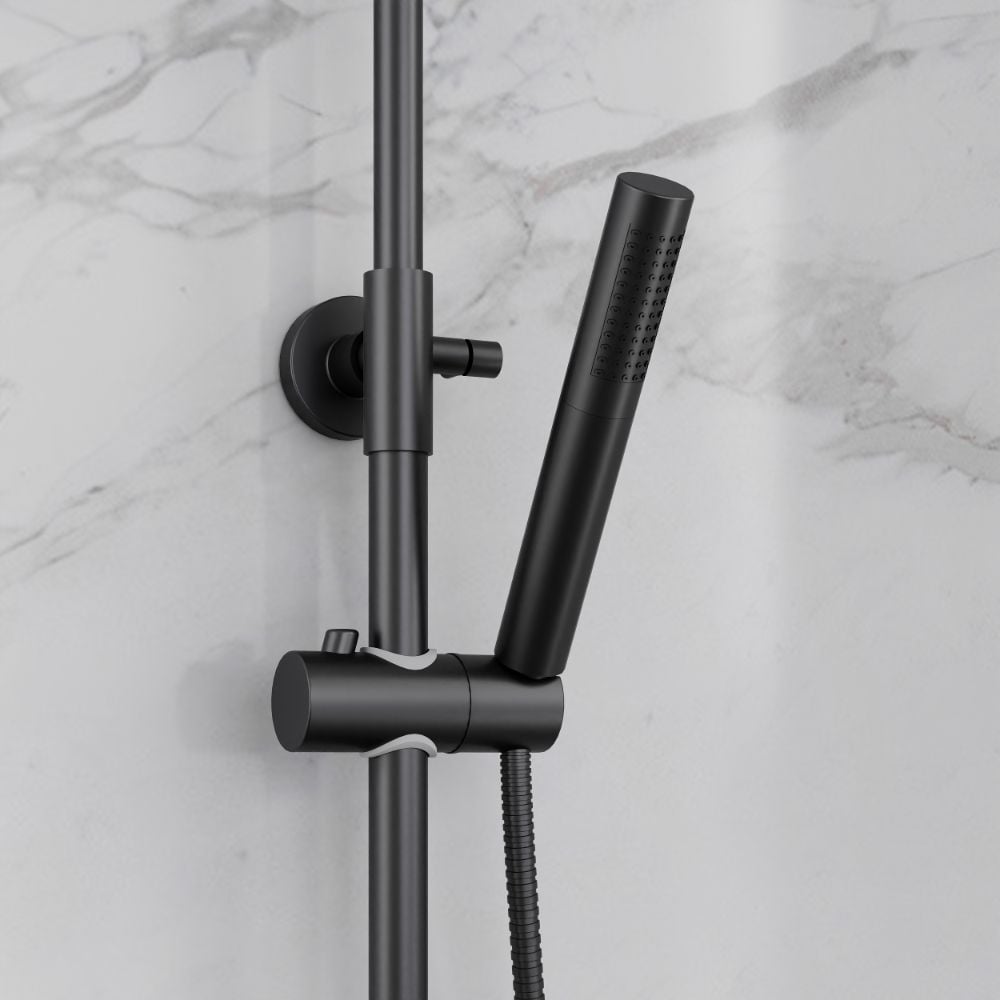
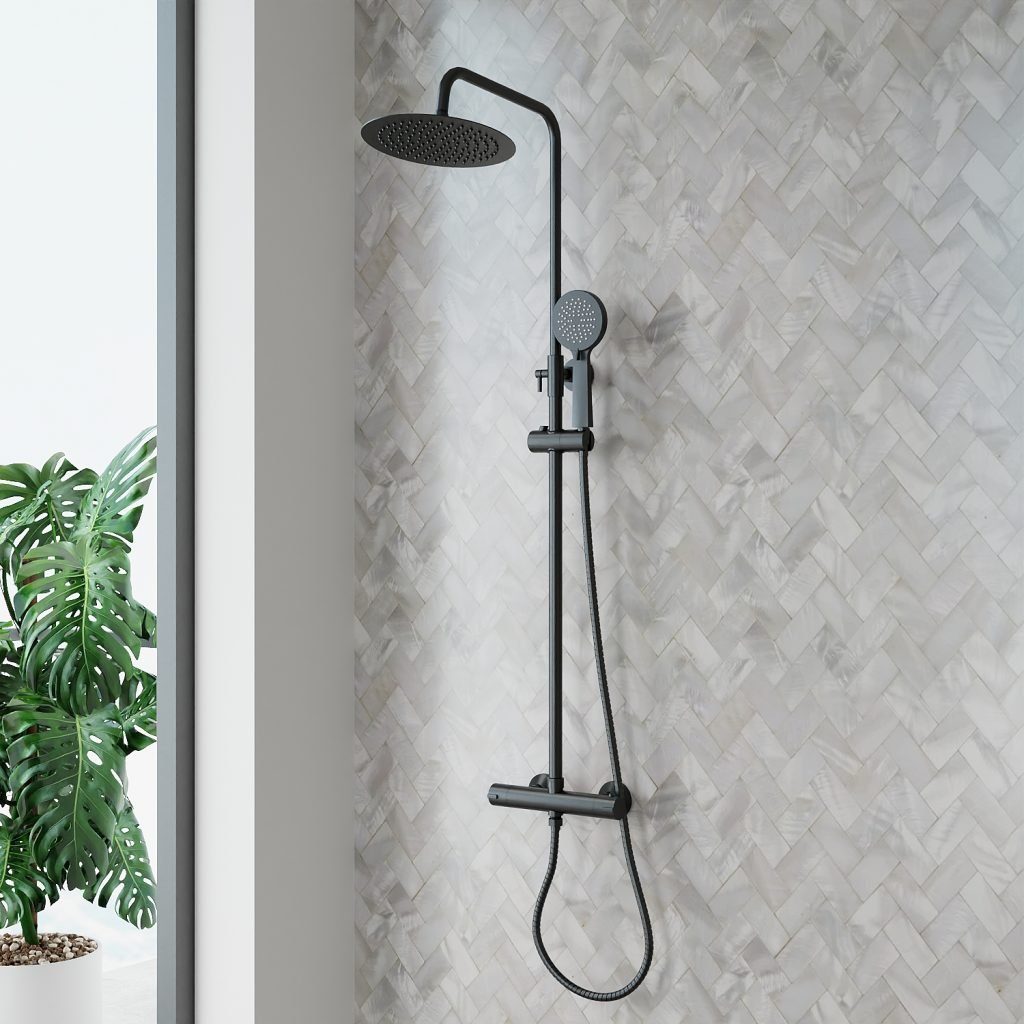
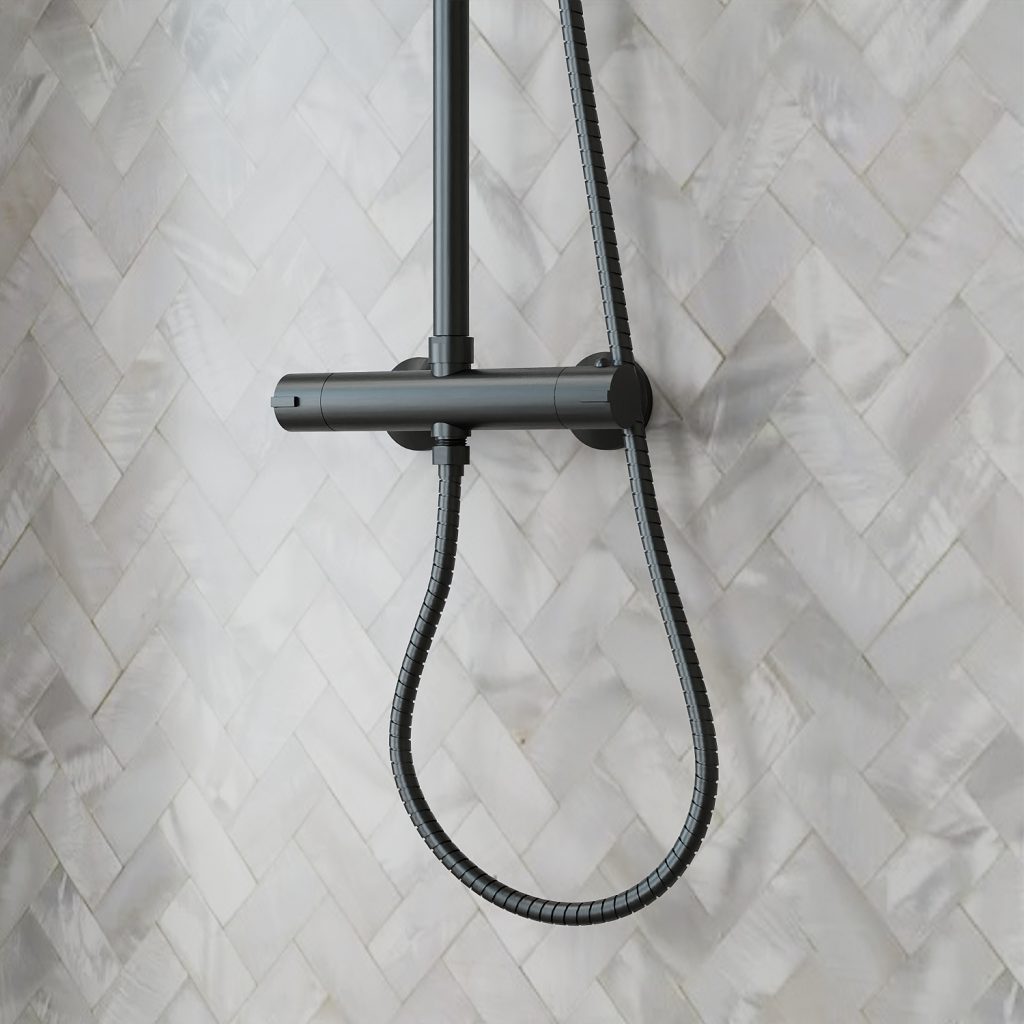
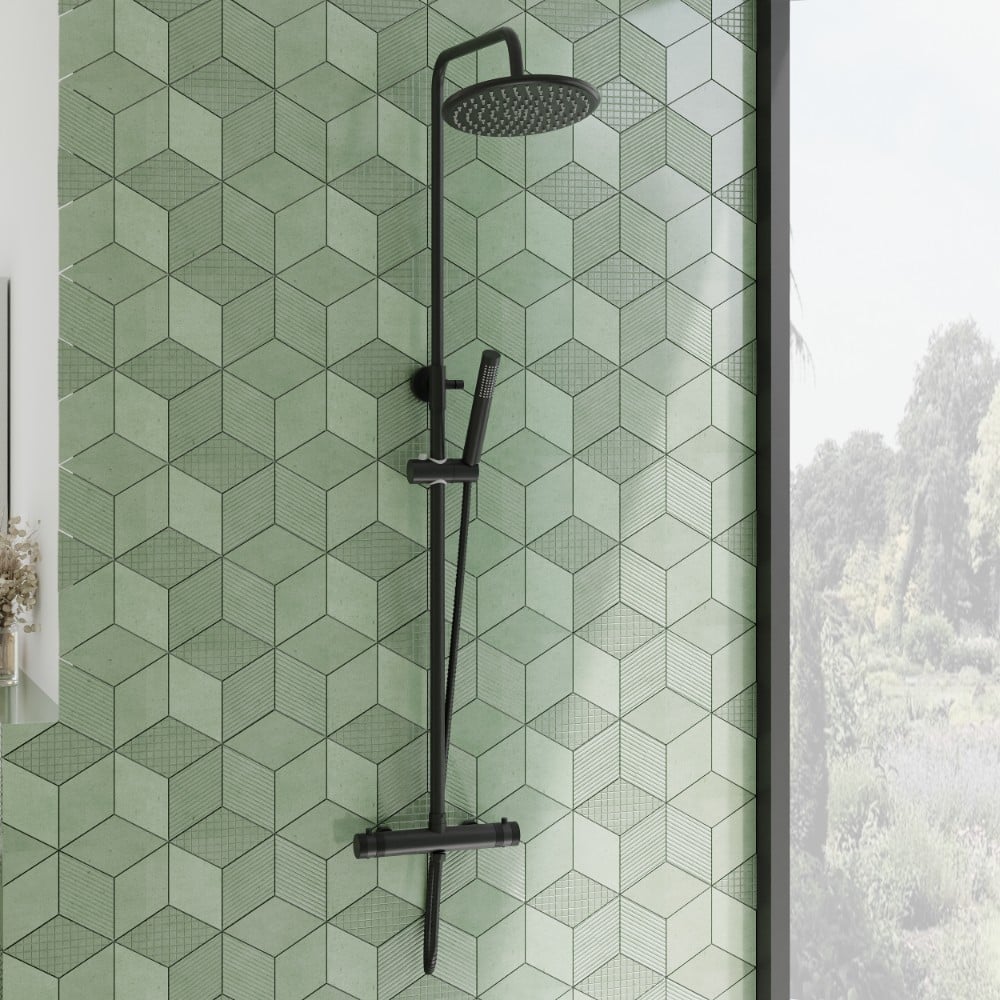
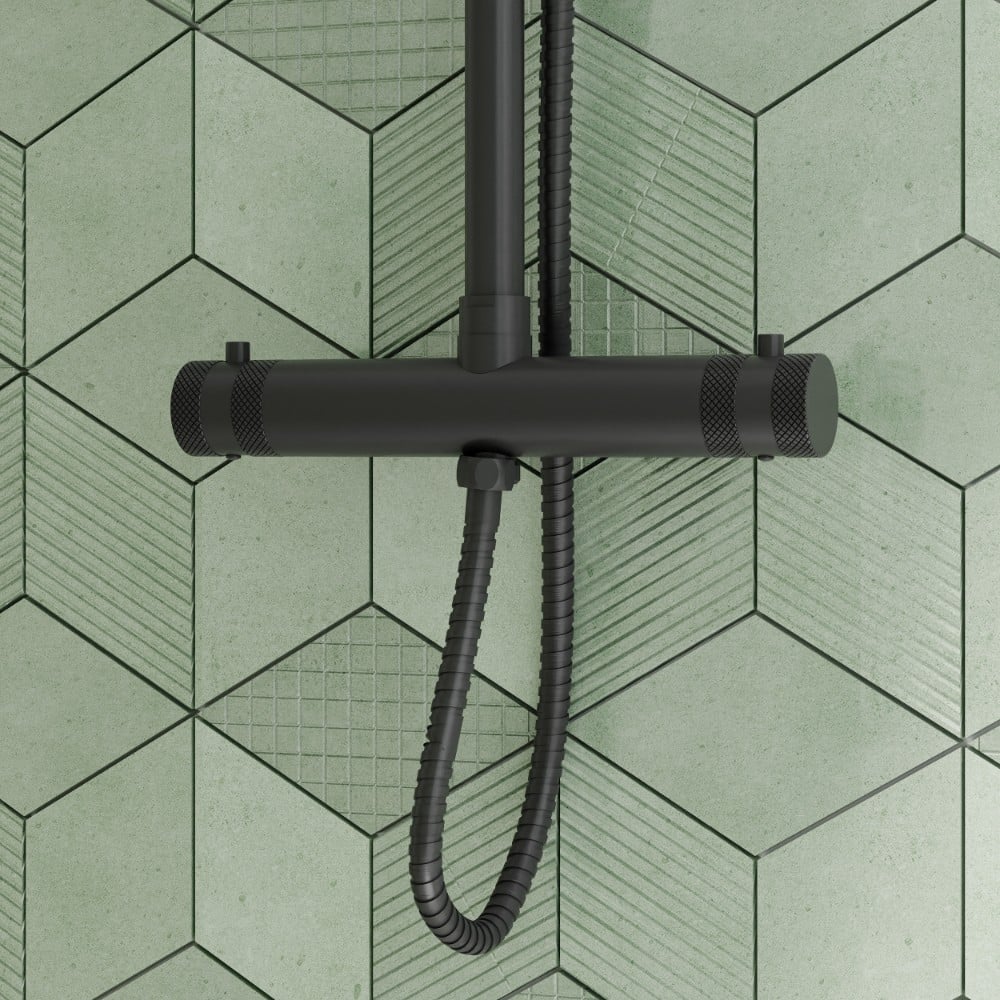
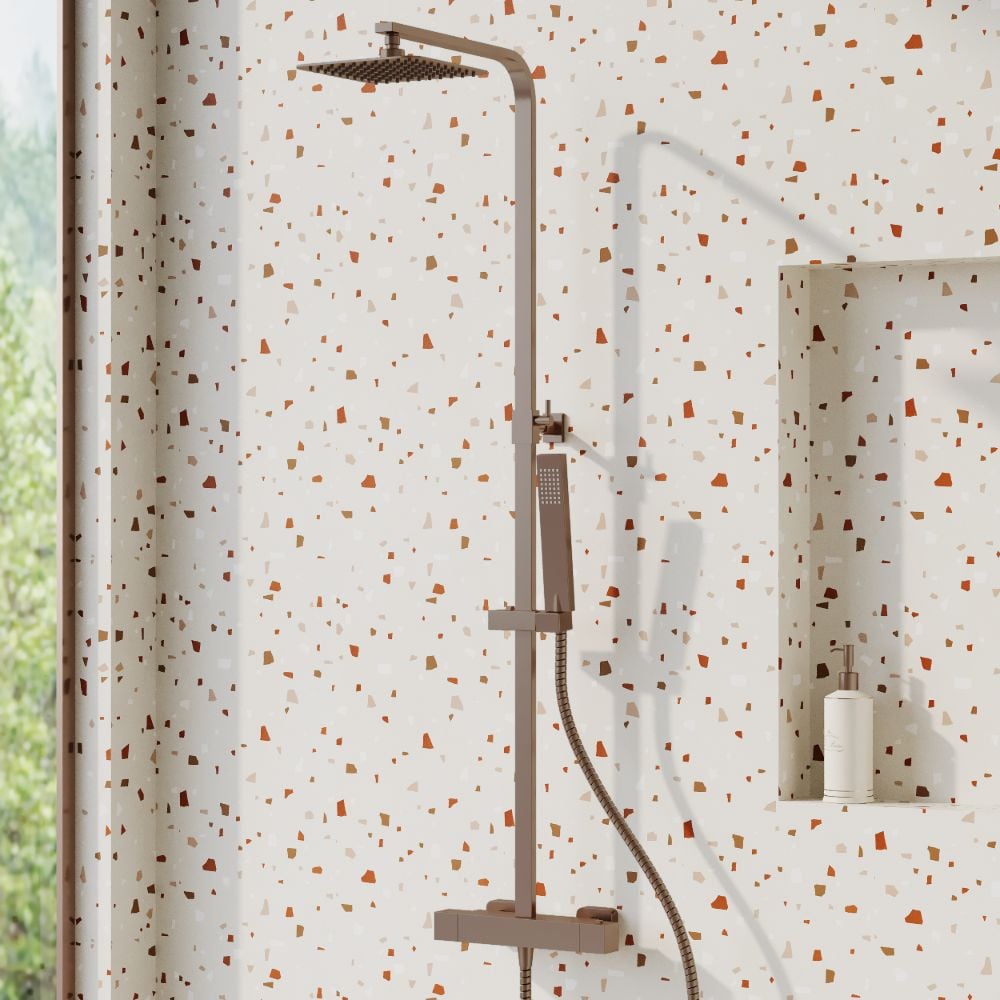
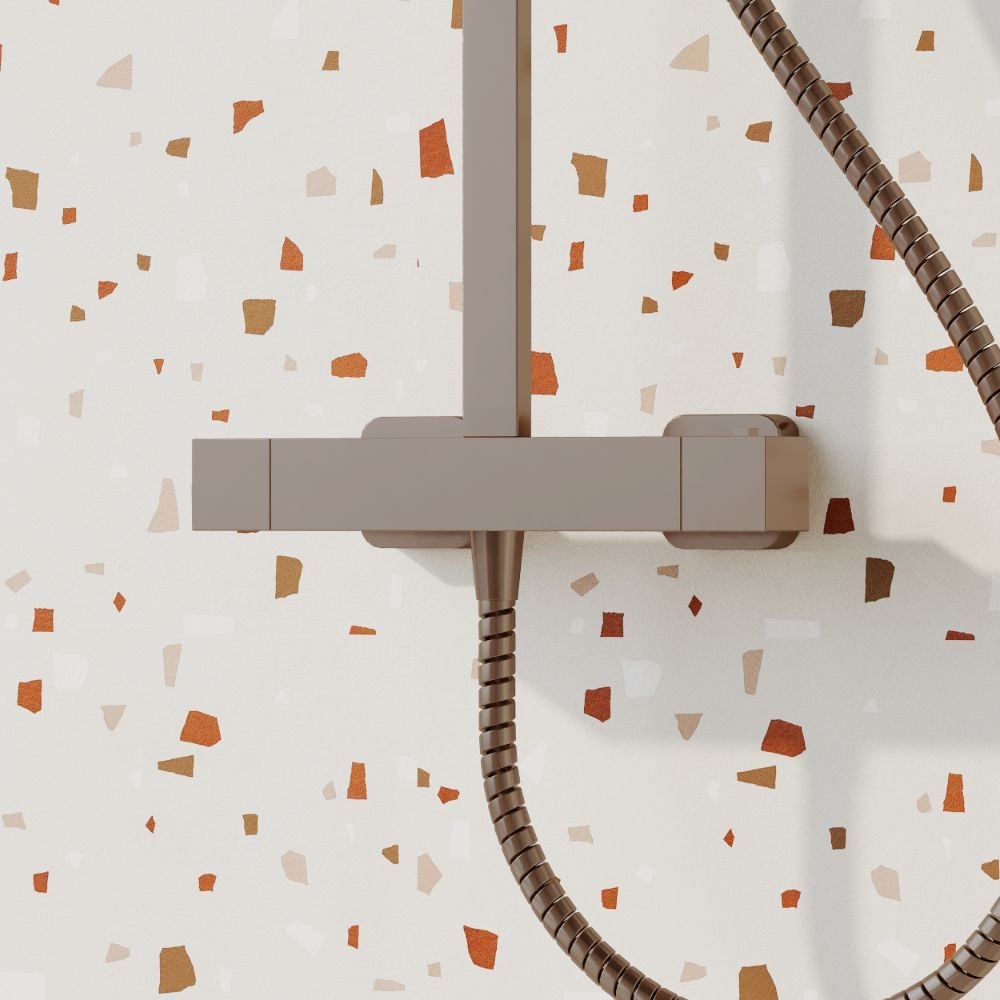
Matte black is the sharp, modern one and it looks striking against pale tiles, though it does show limescale and toothpaste flecks more, so factor in a wipe-down. The CORE Matte Black Thermostatic Exposed Rigid Riser Rain Head Shower at £159.99 covers the same ground in black, again with a fixed round head, a handset and an adjustable telescopic riser rail. Brushed bronze sits warmer and darker than brass, a good shout if you want something that is not silver but not loud either, and the Litchfield Cora Cool Touch Square Thermostatic Brushed Bronze Rigid Riser Shower Kit at £199 is the in-house pick: a Cool Touch thermostatic valve, a square rainfall head, a handset and hose, an adjustable rigid riser rail, brass construction and a 5 year guarantee.
One honest warning on finishes. Buy your shower, your taps and your accessories in the same finish family from the start. Brushed brass from one maker can read slightly warmer or cooler than another’s, and trying to match a finish later, once the tiling is done and the taps are in, is a genuine pain.
Check your water pressure before you buy. This is the bit the product photo will not tell you. Big overhead rain heads want decent flow to feel any good, and on a combi or a mains-fed system you are usually fine. On a gravity-fed setup, the kind with a tank in the loft, low pressure can leave a wide rain head feeling like light drizzle, so work out what your system actually delivers before you commit to one.
What is an exposed shower? It is a shower where the valve and the pipes sit on the surface of the wall, on show, instead of being hidden behind it. The opposite is a concealed or built-in shower, where only the controls and the head come through the tiles. Exposed is easier and cheaper to fit because there is no chasing pipes into the wall and no stud wall to build, which makes it the obvious pick on a solid brick wall.
Are exposed showers easier to install than concealed ones? Yes, generally. Everything mounts on the wall surface and connects to your existing feeds, so there is no need to open up a wall or build a false one to bury the valve. If you are renovating from scratch and tiling anyway, concealed can look tidier, but for a straight swap or a solid wall, exposed is the simpler job. Simpler does not mean DIY, mind: it is still work for a competent plumber.
What finishes do exposed showers come in? Chrome, brushed brass, matte black and brushed bronze are the ones featured here. Chrome is the easiest to match, brushed brass and brushed bronze give you the warmer look, and matte black is the sharp modern choice. Check the finish named on the product page before you buy.
Is brushed chrome the same as chrome? Not quite. Polished chrome is the bright, mirror-like one. Brushed chrome is the softer satin version of the same look, with a fine brushed texture instead of a mirror shine. The difference is in how it looks, not in how the shower works. Finish names vary between makers, so go by the finish named on the product page rather than the search term that got you here.
What is the difference between a thermostatic and a manual shower valve? A thermostatic valve locks in the temperature you set and holds it steady even if someone runs a tap or flushes the loo elsewhere, so there are no surprise cold or scalding blasts. A manual valve simply mixes hot and cold and you adjust it by hand, which means the temperature drifts as the pressure changes. For a family bathroom, thermostatic is worth it.
Do I need decent water pressure for an exposed rain shower? For the big overhead rain heads, ideally yes. They feel best with good flow, which you normally get on a combi or a mains-pressure system. On a low-pressure gravity-fed system a wide rain head can feel underwhelming, so it is worth knowing what your system delivers before you buy one.
Original price was: £279.99.£189.00Current price is: £189.00.
Original price was: £279.99.£189.00Current price is: £189.00.
Original price was: £189.00.£139.00Current price is: £139.00.
Original price was: £189.00.£139.00Current price is: £139.00.
Original price was: £189.00.£129.00Current price is: £129.00.
Original price was: £189.00.£129.00Current price is: £129.00.
Original price was: £199.00.£129.00Current price is: £129.00.
Original price was: £199.00.£129.00Current price is: £129.00.

Original price was: £229.00.£159.00Current price is: £159.00.
Original price was: £229.00.£159.00Current price is: £159.00.
Original price was: £99.99.£89.00Current price is: £89.00.
Original price was: £99.99.£89.00Current price is: £89.00.
Original price was: £299.00.£229.00Current price is: £229.00.
Original price was: £299.00.£229.00Current price is: £229.00.
Original price was: £269.00.£189.00Current price is: £189.00.
Original price was: £269.00.£189.00Current price is: £189.00.
Original price was: £329.00.£209.00Current price is: £209.00.
Original price was: £329.00.£209.00Current price is: £209.00.
Original price was: £269.00.£209.00Current price is: £209.00.
Original price was: £269.00.£209.00Current price is: £209.00.
Original price was: £199.00.£129.00Current price is: £129.00.
Original price was: £199.00.£129.00Current price is: £129.00.
Original price was: £119.00.£109.00Current price is: £109.00.
Original price was: £119.00.£109.00Current price is: £109.00.
Original price was: £189.00.£119.00Current price is: £119.00.
Original price was: £189.00.£119.00Current price is: £119.00.

Original price was: £229.00.£219.00Current price is: £219.00.
Original price was: £229.00.£219.00Current price is: £219.00.
Original price was: £279.00.£159.99Current price is: £159.99.
Original price was: £279.00.£159.99Current price is: £159.99.
Original price was: £329.00.£199.00Current price is: £199.00.
Original price was: £329.00.£199.00Current price is: £199.00.
£239.00
£239.00


Original price was: £279.00.£129.00Current price is: £129.00.
Original price was: £279.00.£129.00Current price is: £129.00.
Original price was: £289.00.£229.00Current price is: £229.00.
Original price was: £289.00.£229.00Current price is: £229.00.
Original price was: £279.99.£189.00Current price is: £189.00.
Original price was: £279.99.£189.00Current price is: £189.00.


Original price was: £349.00.£299.00Current price is: £299.00.
Original price was: £349.00.£299.00Current price is: £299.00.


Original price was: £289.00.£219.00Current price is: £219.00.
Original price was: £289.00.£219.00Current price is: £219.00.
Original price was: £189.00.£129.00Current price is: £129.00.
Original price was: £189.00.£129.00Current price is: £129.00.

Original price was: £329.00.£279.00Current price is: £279.00.
Original price was: £329.00.£279.00Current price is: £279.00.
Original price was: £199.00.£129.00Current price is: £129.00.
Original price was: £199.00.£129.00Current price is: £129.00.
Original price was: £389.00.£279.00Current price is: £279.00.
Original price was: £389.00.£279.00Current price is: £279.00.
Original price was: £219.00.£159.00Current price is: £159.00.
Original price was: £219.00.£159.00Current price is: £159.00.
Original price was: £229.00.£159.00Current price is: £159.00.
Original price was: £229.00.£159.00Current price is: £159.00.
Original price was: £99.99.£89.00Current price is: £89.00.
Original price was: £99.99.£89.00Current price is: £89.00.
Original price was: £299.00.£229.00Current price is: £229.00.
Original price was: £299.00.£229.00Current price is: £229.00.
Tag @bathroompoint to have your photos featured here!