Warm vs Cool Bathroom Tones: What Works Best?
Bathrooms
When planning a bathroom, colour is often one of the first decisions—but it’s not just about what looks good. The tone you choose can completely change how the space feels day to day. Warm tones create comfort and softness, while cool tones bring a clean, crisp edge. Neither is right or wrong, but one will usually suit your space better than the other.
What Are Warm Bathroom Tones?
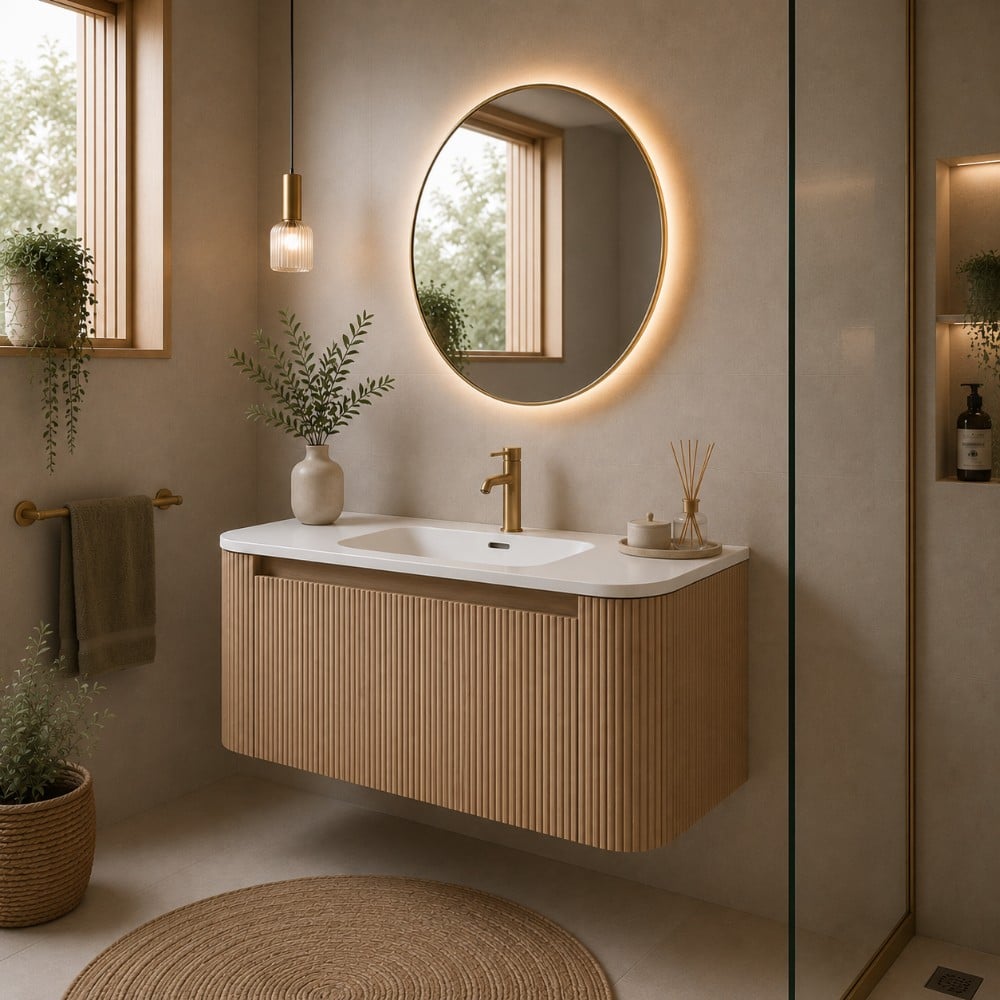
Warm tones include colours like beige, taupe, soft browns, terracotta and warmer whites. These shades tend to make a bathroom feel more inviting and relaxed, especially during colder months. They work particularly well in homes where you want the bathroom to feel like a place to unwind rather than just a functional space.
Materials play a big role here. Wood-effect finishes, stone textures and brushed metals all help reinforce that warmth. Furniture in oak tones or textured finishes can soften the overall look and make the space feel more natural. You can explore options within the oak bathroom furniture range to introduce that warmer feel without changing everything else in the room.
What Are Cool Bathroom Tones?
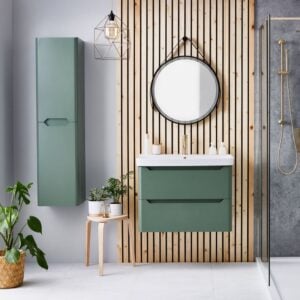
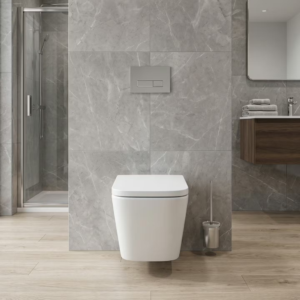
Cool tones sit on the opposite end of the scale. Think greys, whites, blues and sharper black accents. These colours give a bathroom a clean, modern feel and are often used in minimalist designs. They reflect light well, which can make a space feel brighter and more open.
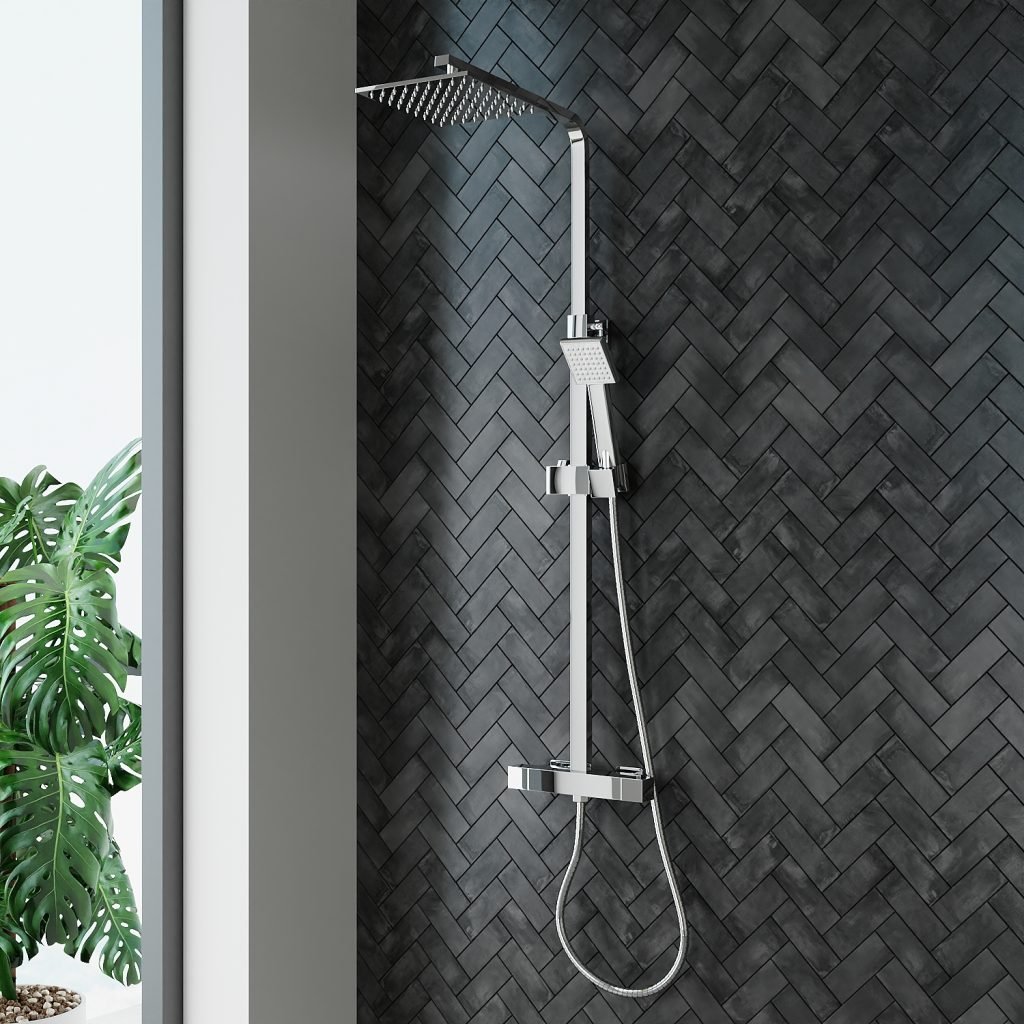
This approach works well in contemporary homes, especially where you want a sharp, polished finish. Pairing cool-toned tiles with sleek fittings creates a very structured look. Elements like matt black taps or chrome finishes can help tie everything together without adding visual clutter.
How Each Tone Affects the Feel of the Room
Warm tones tend to make a bathroom feel more comfortable and lived-in. They soften hard surfaces like tiles and ceramics, which can otherwise feel quite cold. This is particularly noticeable in the UK, where natural light can be limited during winter months.
Cool tones, on the other hand, emphasise cleanliness and simplicity. They can make smaller bathrooms feel larger because of how they reflect light, but if overused, they can sometimes feel a little stark. The key is balance—adding texture or subtle contrast to avoid a flat finish.
Lighting Makes a Big Difference
The same colour can look completely different depending on lighting. Warm LED lighting tends to enhance beige, brass and wood finishes, making them feel richer. Cooler lighting works better with whites, greys and chrome, keeping everything looking sharp and defined.
This is where mirrors and lighting come into play. An illuminated mirror with adjustable colour temperature gives you flexibility, allowing the room to shift between warm and cool tones depending on the time of day. You can browse suitable options in the illuminated mirror collection.
Mixing Warm and Cool Tones
You don’t have to choose one and stick to it completely. Some of the best bathrooms mix both tones in a controlled way. For example, a neutral base of soft grey tiles can be warmed up with oak furniture or brushed brass fittings. This keeps the room feeling modern without becoming too cold.
The trick is to choose a dominant tone and use the other as an accent. Too much of both can make the space feel disjointed. A simple approach is to keep walls and flooring neutral, then introduce warmth through furniture and accessories.
Which One Works Best for You?
If your bathroom feels cold, lacks natural light or is used mainly for relaxing, warm tones are often the better choice. They make the space feel more comfortable and forgiving. If your goal is a clean, modern look with sharp lines and a brighter feel, cool tones will likely suit you better.
It also comes down to the rest of your home. Bathrooms tend to feel more cohesive when they follow a similar tone to nearby rooms rather than standing out completely.
Warm and cool tones both have their place in bathroom design. It’s less about choosing the “right” one and more about choosing what works for your space, lighting and lifestyle. With the right balance of colour, materials and lighting, you can create a bathroom that feels both practical and comfortable every day.