Choosing the Right Toilet: Styles, Features & What to Consider
Toilets
Toilets are one of the most used features in any bathroom, yet they’re often chosen right at the end of a renovation. While most people focus on tiles, taps and furniture first, the toilet itself plays a big role in both comfort and the overall feel of the room. From wall-hung designs to comfort height models and soft close features, small differences can have a surprisingly big impact on everyday use.
Modern vs Traditional Toilet Styles
The style of toilet you choose can completely change the look of the bathroom. Traditional toilets tend to feature softer curves, visible cisterns and more classic detailing, making them well suited to period-style interiors or bathrooms with a timeless feel.
Modern toilets are generally more minimal. Clean lines, slimmer profiles and concealed pipework create a sharper, more streamlined look. Back-to-wall and wall-hung toilets have become especially popular in contemporary bathrooms because they help reduce visual clutter and create a cleaner finish overall.
If you’re aiming for a more modern layout, browsing contemporary toilet styles alongside your furniture and basin choices helps create a more balanced design.
Wall-Hung, Back-to-Wall or Close Coupled?
There’s more than one way a toilet can be installed, and each option changes both the appearance and practicality of the room.
Wall-hung toilets are mounted directly onto the wall with the cistern hidden behind it. This floating look creates extra visible floor space, making smaller bathrooms feel larger and easier to clean. They work particularly well alongside wall-mounted furniture and minimalist interiors.
Back-to-wall toilets sit on the floor but hide the cistern within furniture or a wall unit. They offer a cleaner appearance than traditional close coupled designs while keeping installation slightly simpler than fully wall-hung models.
Close coupled toilets remain one of the most popular choices in UK homes because they’re straightforward, practical and available in a wide range of styles.
Comfort Matters More Than People Think
Toilets may look fairly similar at first glance, but the seating position can vary quite a bit between models. Some toilets have a deeper projection from the wall, giving you a little more sitting space and a more comfortable feel overall. Others are shorter and more compact, designed specifically for cloakrooms or smaller bathrooms.
Comfort height toilets are another option worth considering, especially for taller users or anyone who struggles with mobility. These models sit slightly higher than standard toilets, making them easier to sit down on and stand up from comfortably.
In family homes, comfort usually becomes more important over time than purely visual design. A toilet that feels good to use every day will always outperform one chosen purely for appearance.
Soft Close Seats Make a Difference
Soft close toilet seats have become one of those features people quickly get used to. Instead of dropping shut loudly, the hinges slow the seat down gently and quietly. It’s a small detail, but one that improves the feel of the bathroom immediately.
They’re especially useful in family bathrooms where seats get closed frequently throughout the day. Soft close hinges also reduce wear on the pan and seat over time because there’s less impact from slamming.
Most modern toilet collections now include soft close seats as standard, particularly within contemporary bathroom ranges.
Rimless Toilets and Easy Cleaning
Cleaning is another area where toilet design has evolved quite a bit. Rimless toilets have become increasingly popular because they remove the traditional inner rim where dirt and bacteria can collect. This allows water to flush around the bowl more evenly while making the inside easier to clean.
For busy households, this can make day-to-day maintenance much simpler. Pairing a rimless design with a quick-release soft close seat creates a setup that feels noticeably more hygienic and easier to live with long term.
Choosing the Right Size for Your Bathroom
Not every toilet suits every layout. In compact bathrooms or cloakrooms, projection becomes important. A shorter projection toilet helps preserve floor space and improves movement around the room.
Larger bathrooms give you more flexibility. This is where wall-hung toilets or comfort height models can really shine because there’s enough space to appreciate the proportions properly.
It’s also worth considering how the toilet works with nearby furniture. A bulky toilet beside slimline vanity furniture can throw the balance of the room off completely.
Think About the Overall Bathroom Style
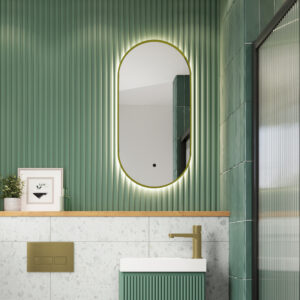
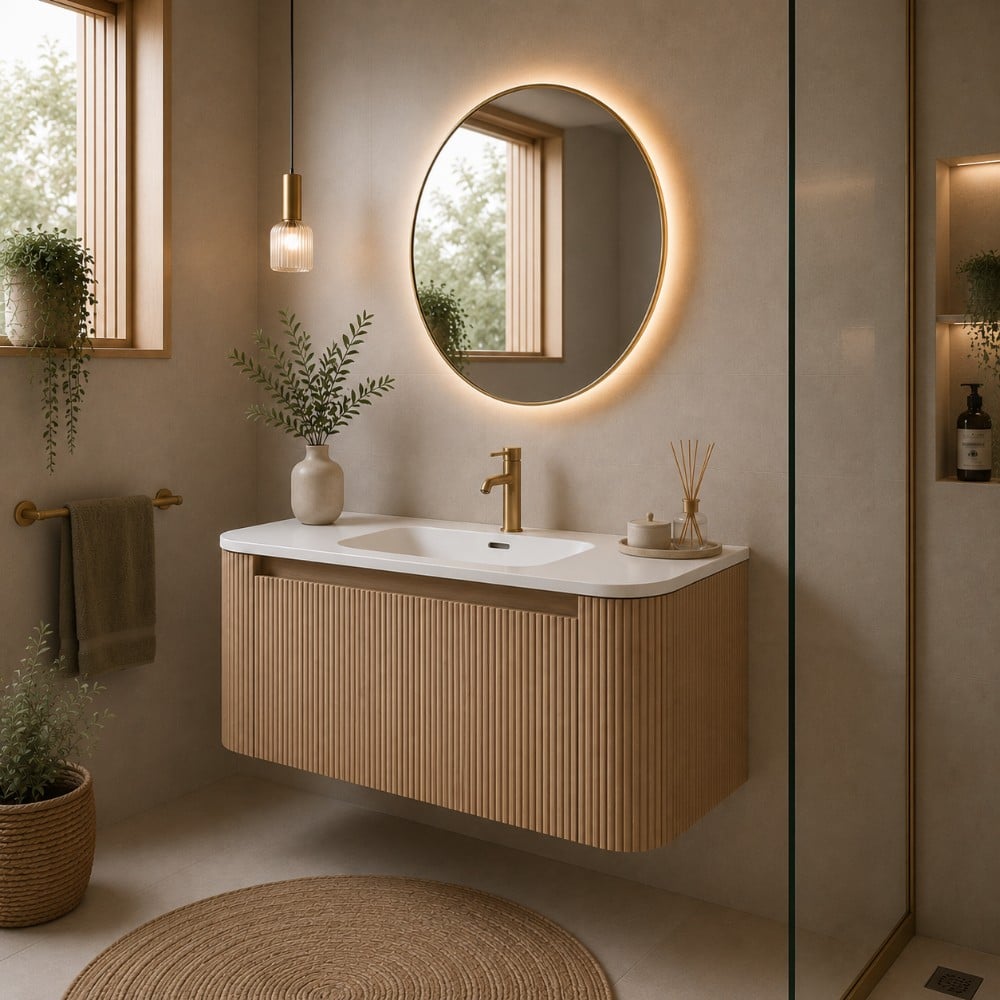
The toilet should feel connected to the rest of the room rather than standing out as a completely separate piece. Modern bathrooms with fluted furniture, wall-mounted units and brushed brass fittings tend to suit slimmer, cleaner toilet designs. Traditional bathrooms usually pair better with softer curves and more classic detailing.
Matching the toilet style to the basin, bath and furniture creates a more cohesive finish and helps the entire bathroom feel properly considered.
Installation and Practical Considerations
Wall-hung toilets may look sleek, but they do require stronger wall support and concealed cistern systems behind the scenes. Back-to-wall toilets offer a similar look while simplifying installation slightly.
If you’re replacing an older toilet without changing pipework, a close coupled model is often the simplest route. Always check waste outlet positions and measurements before ordering, particularly if you’re working within an existing layout.
Final Thoughts
Choosing the right toilet is about more than appearance. The style, height, projection and seat features all affect how comfortable and practical the bathroom feels day to day. Small details like soft close hinges, rimless bowls and comfort height seating can make a noticeable difference over time.
A well-chosen toilet blends into the overall design while quietly improving how the bathroom works every single day.