Wall-Hung Vanity Units: Sizes, Styles and Storage Explained
Bathrooms
Wall-hung vanity units are a smart choice when you want bathroom storage without making the room feel heavy or crowded. By lifting the unit off the floor, they create a cleaner line through the room, make the floor easier to see, and can help a small bathroom feel more open.
They are also practical. A good vanity unit gives you somewhere to store toiletries, cleaning products and spare essentials, while the basin above keeps the wash area neat and contained. The right choice depends on more than colour, though. Size, wall type, basin style, tap choice and drawer layout all make a difference.
If you are comparing bathroom furniture, this guide explains how to choose a wall-hung vanity unit that suits your space, your storage needs and the way the bathroom is used every day.
What is a wall-hung vanity unit?
A wall-hung vanity unit is a bathroom storage unit and basin that fixes to the wall rather than standing on the floor. You may also see them called wall-mounted vanity units or floating vanity units.
The main benefit is visual space. Because the floor continues underneath the unit, the room often feels lighter and less boxed in. That can be especially useful in compact bathrooms, en-suites and cloakrooms.
Wall-hung units can also make cleaning easier, as there are no legs or plinths touching the floor. For busy bathrooms, that is a small detail that can make the room feel easier to look after.
When is a wall-hung vanity unit a good choice?
A wall-hung unit usually works well when you want a modern look, more visible floor space and practical storage around the basin.
It is a strong option for small bathrooms where floor space feels limited, en-suites where the room needs to feel neat and uncluttered, and cloakrooms where a compact basin and storage unit can do two jobs in one. It can also suit contemporary bathrooms with clean lines and concealed pipework.
For cloakrooms, a narrower unit may be enough for handwashing and a small amount of storage. For main bathrooms, a wider vanity can give you more drawer space and a larger wash area.
What size wall-hung vanity unit do you need?
The best size depends on the width of the room, the position of the door, and how much clearance you need around the basin.
A 400mm or 450mm unit is usually considered a compact option and is often used in cloakrooms or very small bathrooms. A 500mm or 600mm unit gives a more comfortable everyday wash area while still staying fairly space-conscious. Larger sizes, such as 800mm or 900mm, work better in main bathrooms where storage is a priority.
Before choosing a size, measure the space carefully. Check the width available, but also look at how far the unit projects from the wall. A vanity that looks right on width can still feel awkward if it comes too far into a walkway.
It is also worth thinking about the basin shape. Some units have a deeper basin, while others use a slimmer worktop or countertop basin. The right choice depends on how the room will be used and how much surface space you want around the basin.
Storage: drawers, shelves or cupboards?
Most people choose a vanity unit because they want the basin area to feel tidier. The storage layout matters as much as the size.
Drawers are popular because they let you see what is inside without reaching to the back of a cupboard. They are useful for toiletries, hair products, spare soap and everyday items. A deeper drawer can handle taller bottles, while a shallow drawer may suit smaller essentials.
Cupboard-style storage can work well if you prefer a simpler layout or need space for bulkier items. Open shelves can look attractive, but they work best when you are happy to keep the contents tidy and visible.
If the bathroom is used by several people, go for more storage than you think you need. A unit that looks sleek but cannot hold daily essentials can quickly leave the basin area cluttered again.
Wall-hung or floor-standing: which is better?
Neither is automatically better. The right choice depends on the room and the wall.
Wall-hung vanity units create a lighter look and make the floor easier to clean. They are often a good fit for modern bathrooms and compact spaces. They do, however, need secure wall fixing, so the wall structure and installation plan matter.
Floor-standing vanity units can feel more traditional and may offer a little more visual weight. They can be a good option where wall mounting is not suitable, or where you prefer furniture that sits fully on the floor.
If you are not sure which route to take, start with the practical question: can the wall safely support the unit once it is fitted, plumbed and in daily use? A qualified installer can check this before you commit.
What about fluted wall-hung vanity units?
Fluted vanity units are a good choice if you want bathroom furniture with texture and a little more detail. The ribbed front adds interest without needing a bold colour or a busy pattern.
They can work particularly well in neutral bathrooms, where the fluted finish gives the room some depth. Wood-effect fluted finishes can feel warmer, while darker finishes can create more contrast. If you want a softer look, pair a textured vanity with a simple mirror and pared-back taps.
Bathroom Point has a dedicated range of fluted vanity units, which is a useful place to compare sizes, finishes and basin styles.
Choosing a finish
The finish should work with the rest of the room, not just the vanity itself.
Wood-effect finishes can make a bathroom feel warmer and more natural. White or light finishes can help a smaller room feel brighter. Black, anthracite and darker shades can look sharp, especially when paired with matching taps, handles or shower details.
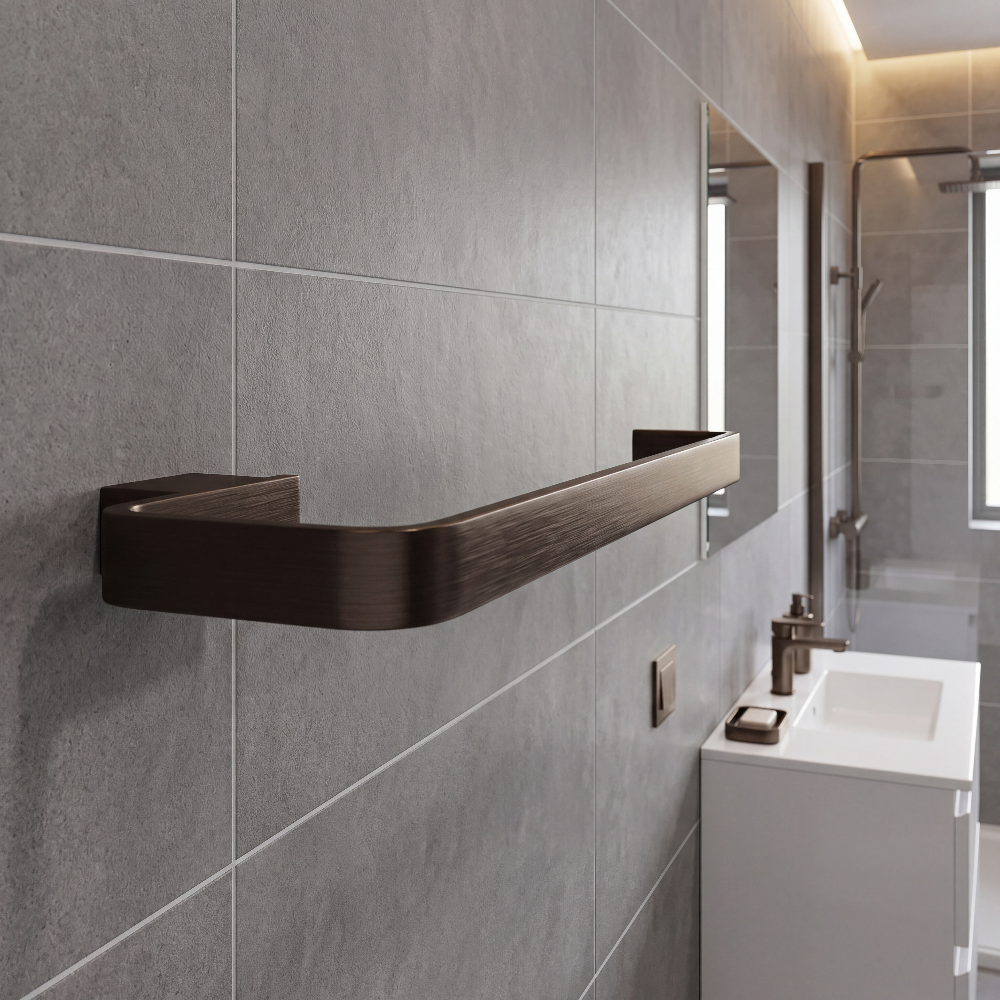
If you are choosing a more distinctive finish, think about repetition. A brushed brass tap, a bronze mirror or a matching towel rail can help the vanity feel connected to the wider design rather than sitting on its own.
The safest approach is to choose one main finish for the furniture, one metal finish for brassware and accessories, and one simple wall or tile palette to hold everything together.
Basin choices for wall-hung vanity units
Some wall-hung vanity units come with an integrated basin, while others are designed for a countertop basin or worktop-style layout.
An integrated basin is straightforward and easy to keep visually tidy. It is often a good choice for family bathrooms, en-suites and cloakrooms where practicality matters. A countertop basin can create a more designed look, but you need to consider tap height, splash space and cleaning around the base of the basin.
If the unit is for a small room, think carefully before choosing a basin that takes up too much surface area. A compact basin can make daily use easier, especially where the door, toilet or shower enclosure is close by.
Matching taps and mirrors
Once you have chosen the vanity, look at the tap and mirror together. These three pieces shape the whole basin area.
A deck-mounted basin tap is a common choice where the basin has a tap hole. A wall-mounted tap can look very clean, but it needs the right plumbing plan and enough space between the spout and basin. If you are replacing existing fittings, check what the current plumbing allows before choosing.
Mirrors can be simple or feature-led. Illuminated mirrors, demister pads, shaver sockets and storage cabinets can all make the basin area more useful. If you are building a full look, browse bathroom mirrors and bathroom taps alongside the vanity rather than treating them as afterthoughts.
Installation points to check
Wall-hung vanity units need careful fitting. The wall needs to be suitable, the fixings need to be appropriate, and the plumbing needs to line up neatly.
- Check the width and projection of the unit.
- Decide the height you want the basin to sit at.
- Check whether pipework will be visible or concealed.
- Confirm whether the wall can safely take the weight.
- Check whether the basin, waste and tap are compatible.
- Make sure drawers or doors have enough clearance to open properly.
This is one of those jobs where measuring twice really does help. A unit may fit the wall, but still clash with a door swing, shower screen or nearby toilet if the wider layout is not checked.
Common mistakes to avoid
One common mistake is choosing by width alone. Projection matters too, especially in narrow rooms.
Another is ignoring storage. A beautiful unit that cannot hold everyday items may not solve the problem you bought it for.
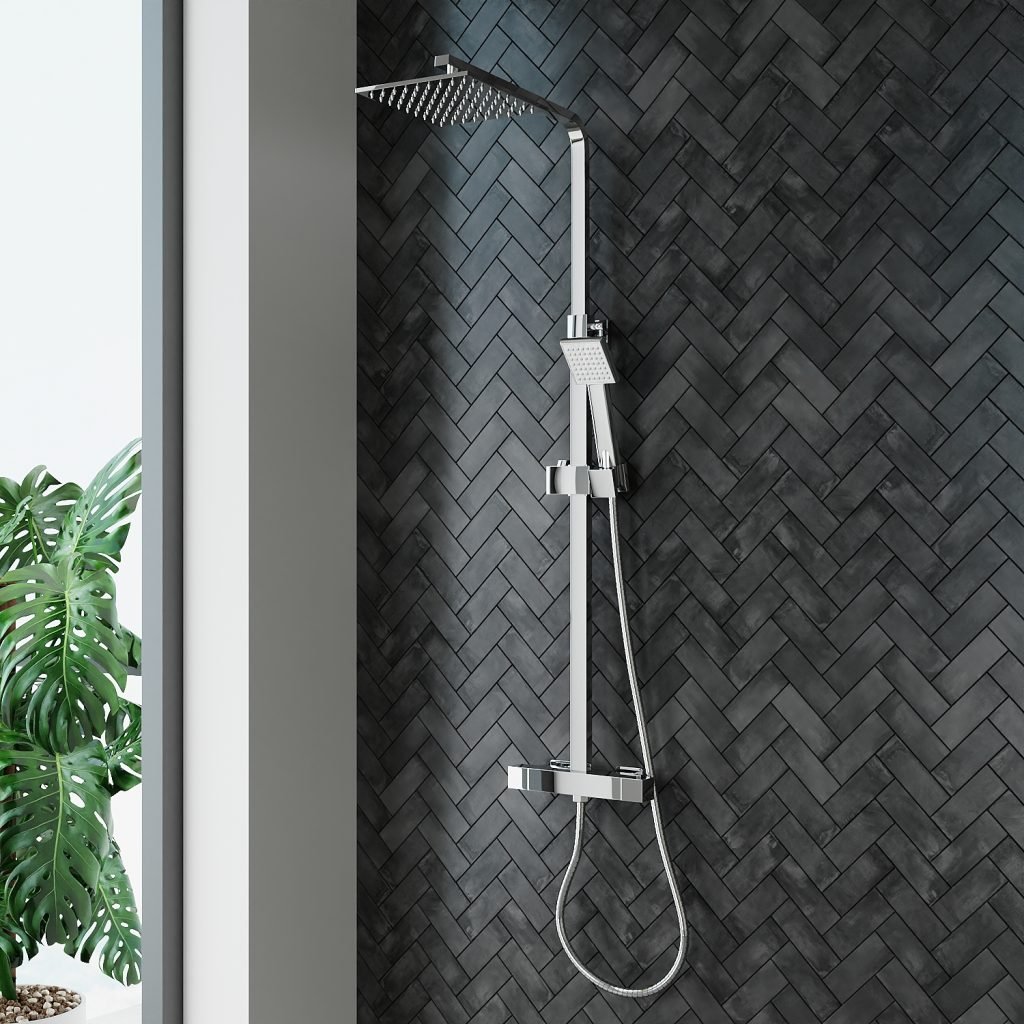
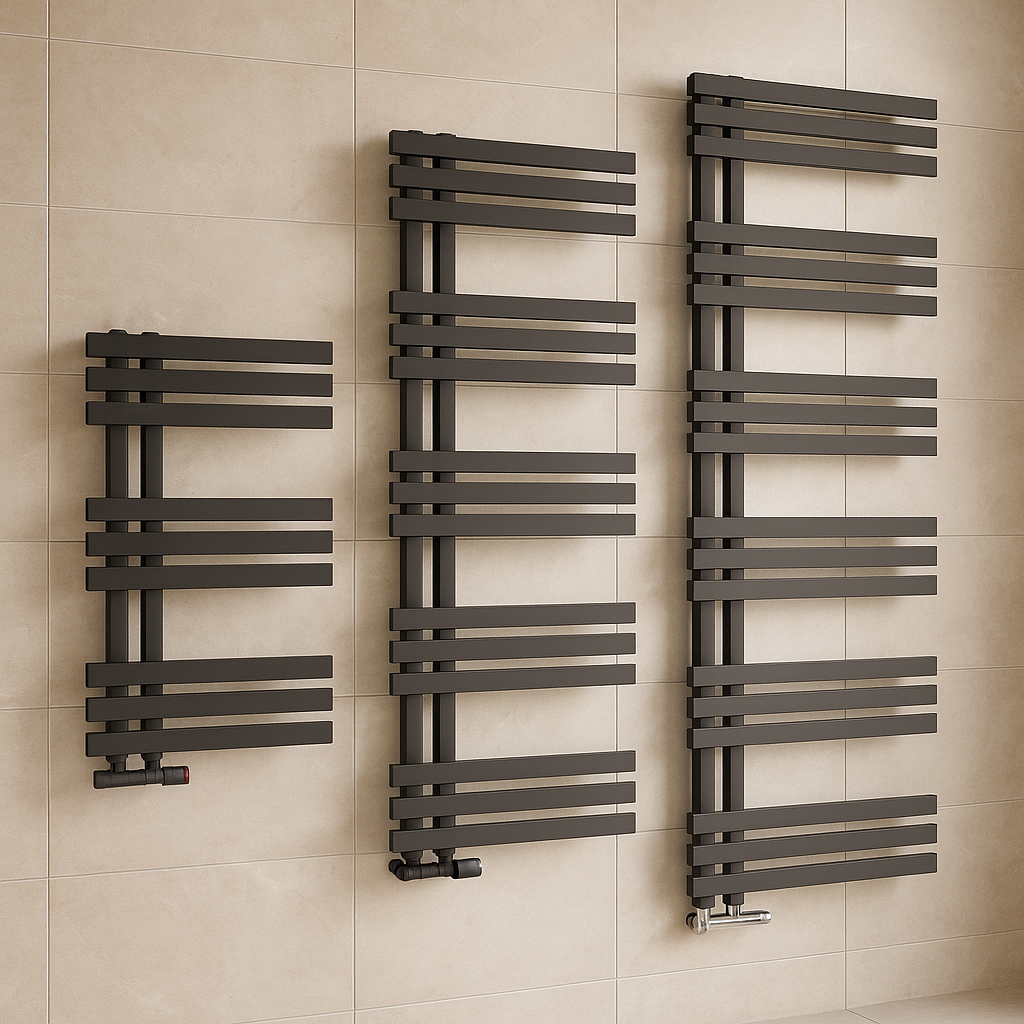
It is also easy to choose a finish in isolation. A vanity unit should work with the taps, mirror, radiator, shower fittings and accessories. If those finishes fight each other, the room can feel less considered.
Finally, do not assume every wall is suitable for every wall-hung unit. Always check the installation requirements and speak to a qualified fitter if you are unsure.
Final thoughts
A wall-hung vanity unit is a practical way to add storage while keeping the bathroom feeling open and modern. The best choice is the one that suits the room first: the right width, sensible projection, useful storage, suitable basin and a finish that works with the rest of the bathroom.
If you are comparing options, start with Bathroom Point’s bathroom furniture range, then narrow your choice by size, finish and basin type. For smaller rooms, the cloakroom vanity units and basins range can also help you find a more compact fit.
FAQs
Are wall-hung vanity units good for small bathrooms?
Yes, they can be a good choice for small bathrooms because they keep more floor visible and can make the room feel less crowded. The key is choosing the right width and projection.
Do wall-hung vanity units need a special wall?
They need a wall that can safely support the unit once it is fitted and in use. Always check the installation requirements and ask a qualified fitter if you are unsure.
What size wall-hung vanity unit is best?
Compact cloakrooms may suit a 400mm or 450mm unit, while many bathrooms use 500mm or 600mm units. Larger rooms may suit 800mm or 900mm units if more storage is needed.
Are fluted vanity units hard to style?
No. Fluted fronts add texture, so they often work best with simpler tiles, mirrors and taps. Choose finishes that repeat elsewhere in the room for a more considered look.
Should I choose drawers or cupboards?
Drawers are useful for everyday toiletries because they are easy to access. Cupboards can work well for bulkier items. The best choice depends on what you need to store.