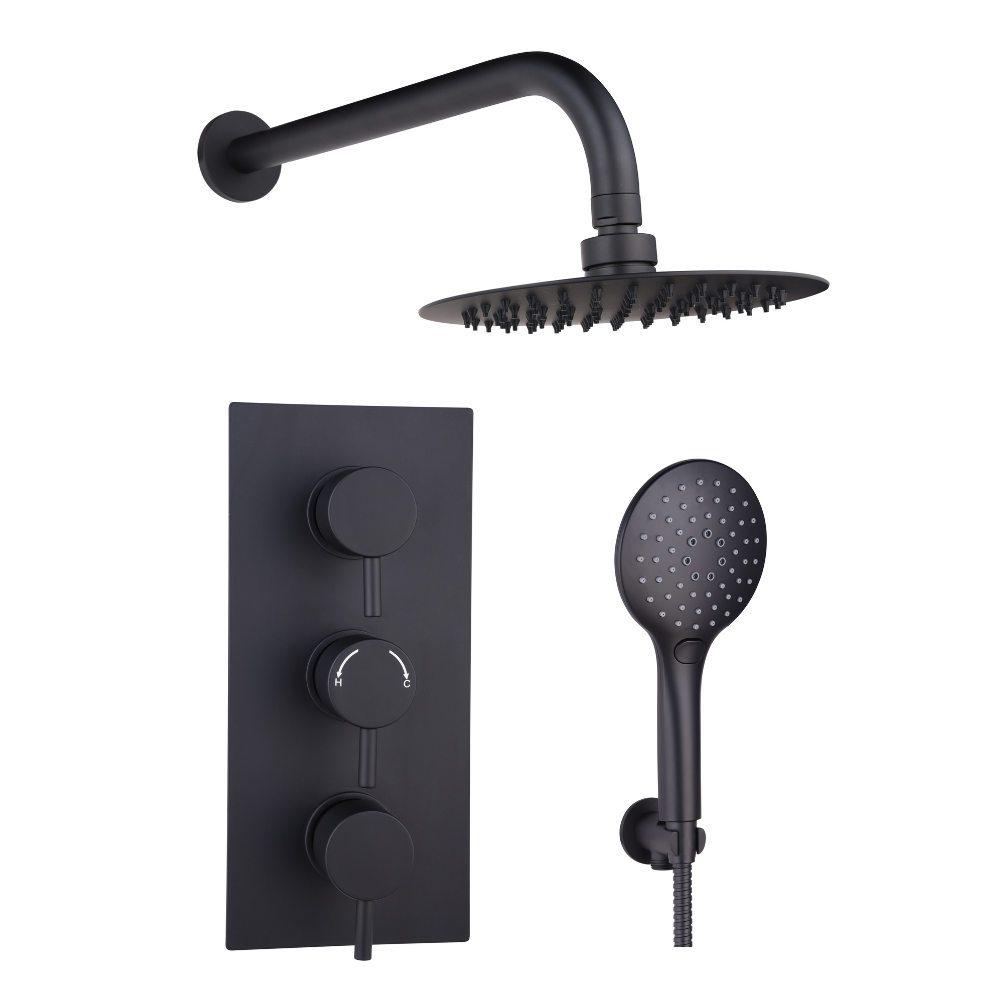
Most people landing here want a shower set, meaning the valve, head and handset that are made to go together, rather than a single part to puzzle over. The quick version: a concealed set hides the valve and pipework in the wall for a clean look but means a planned, tiled-in job, while an exposed set bolts to the face of the wall and is far easier to fit, especially as a swap.
Below you will find the full range across concealed sets, exposed showers and complete kits, plus separate valves, heads and handsets if you are building your own. The quick guide that follows covers how to choose.
What to look for in a shower
Start with the type you actually need, then decide whether you want a ready-made set or one built from parts, and pick the finish last. Here is how to get each call right.
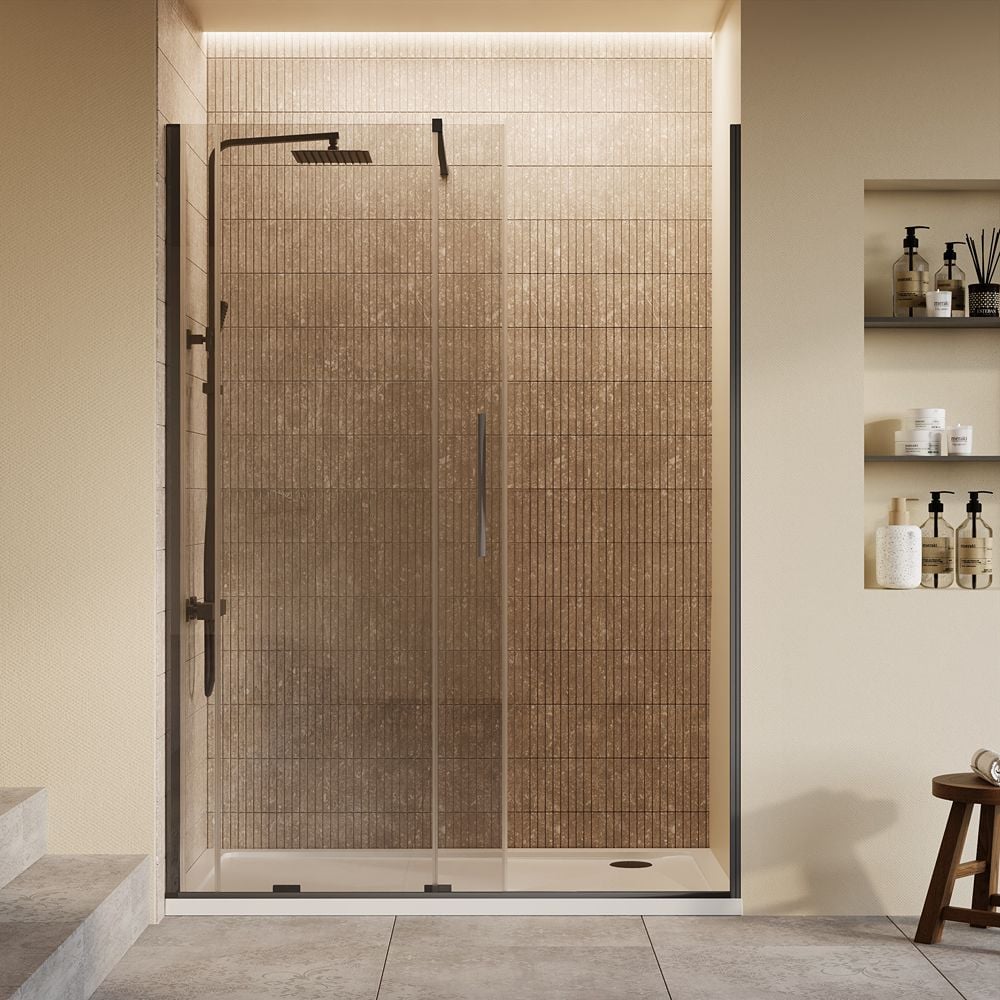
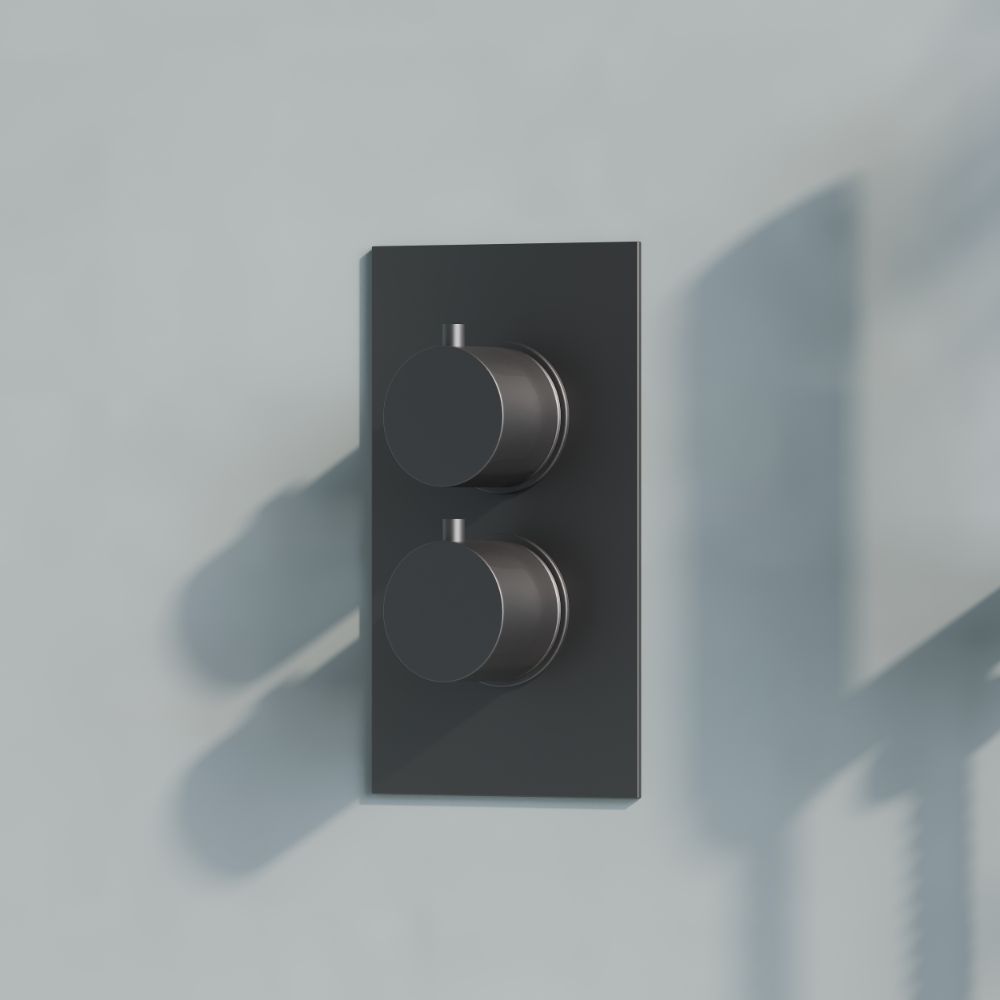
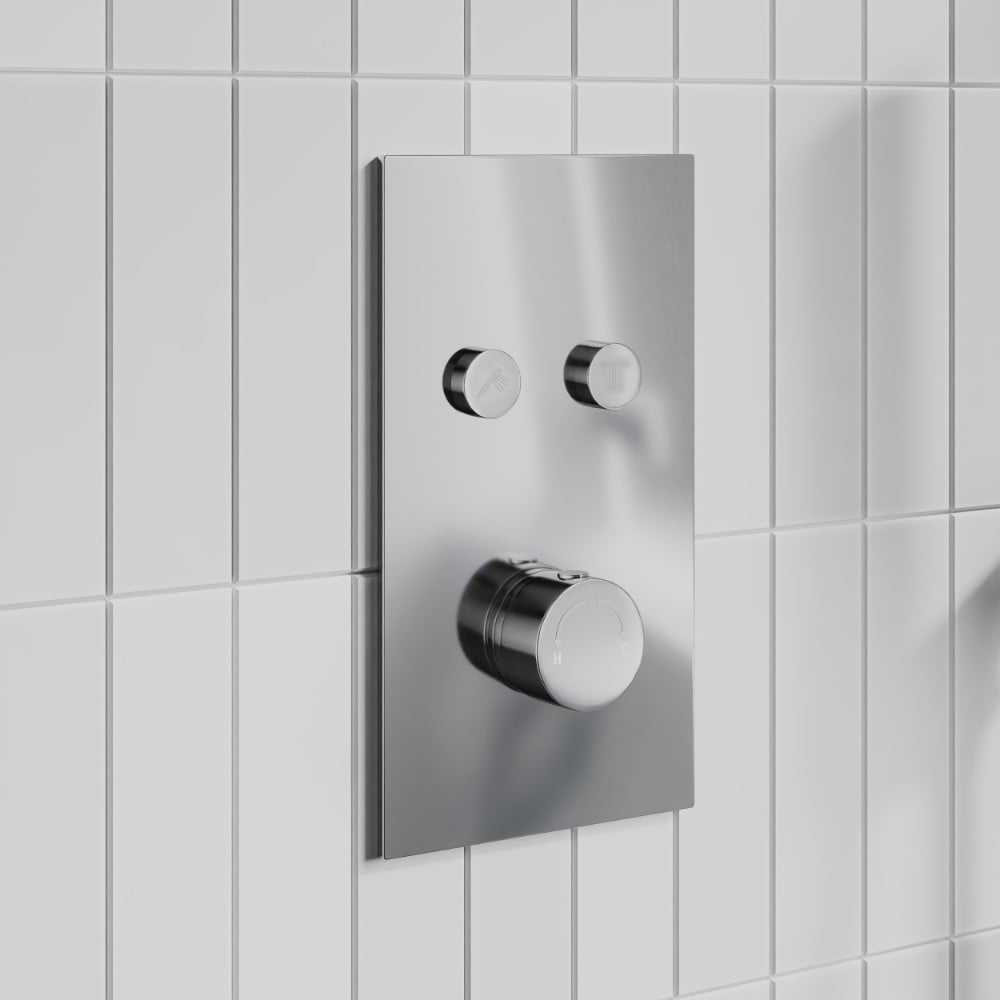
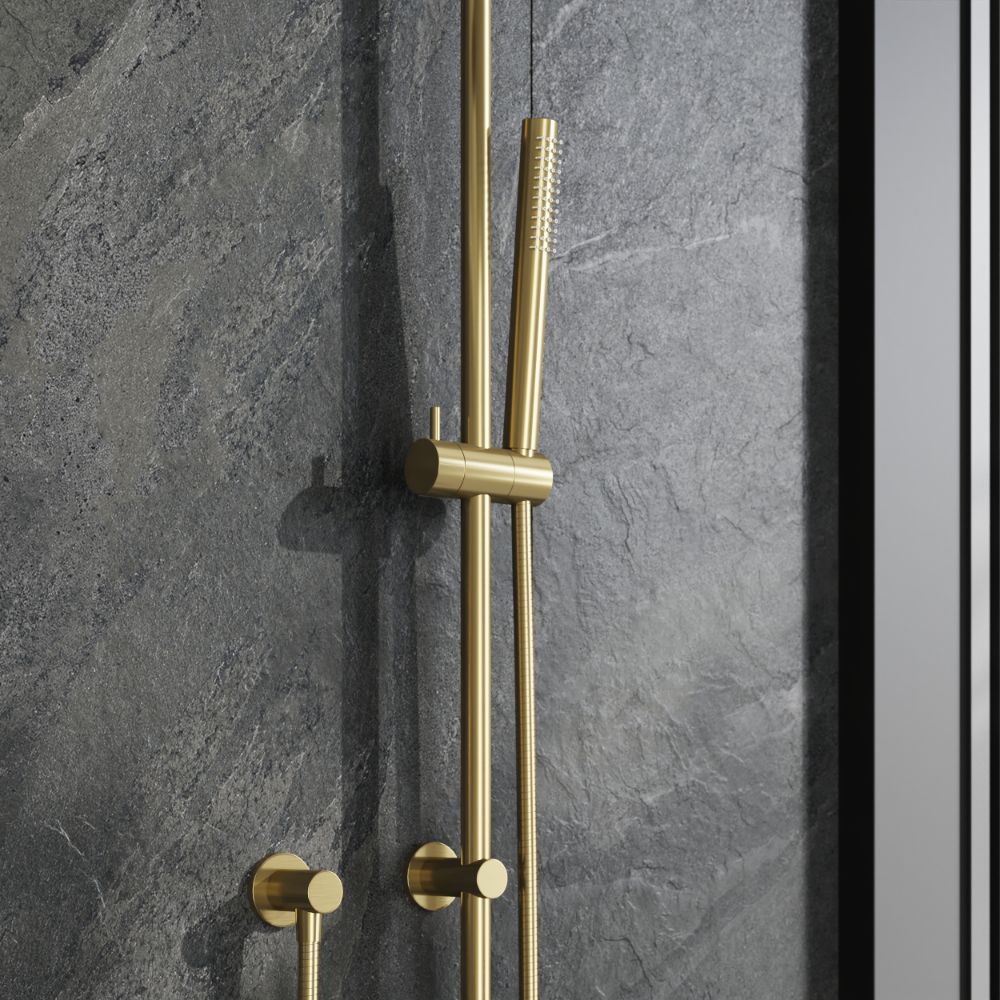
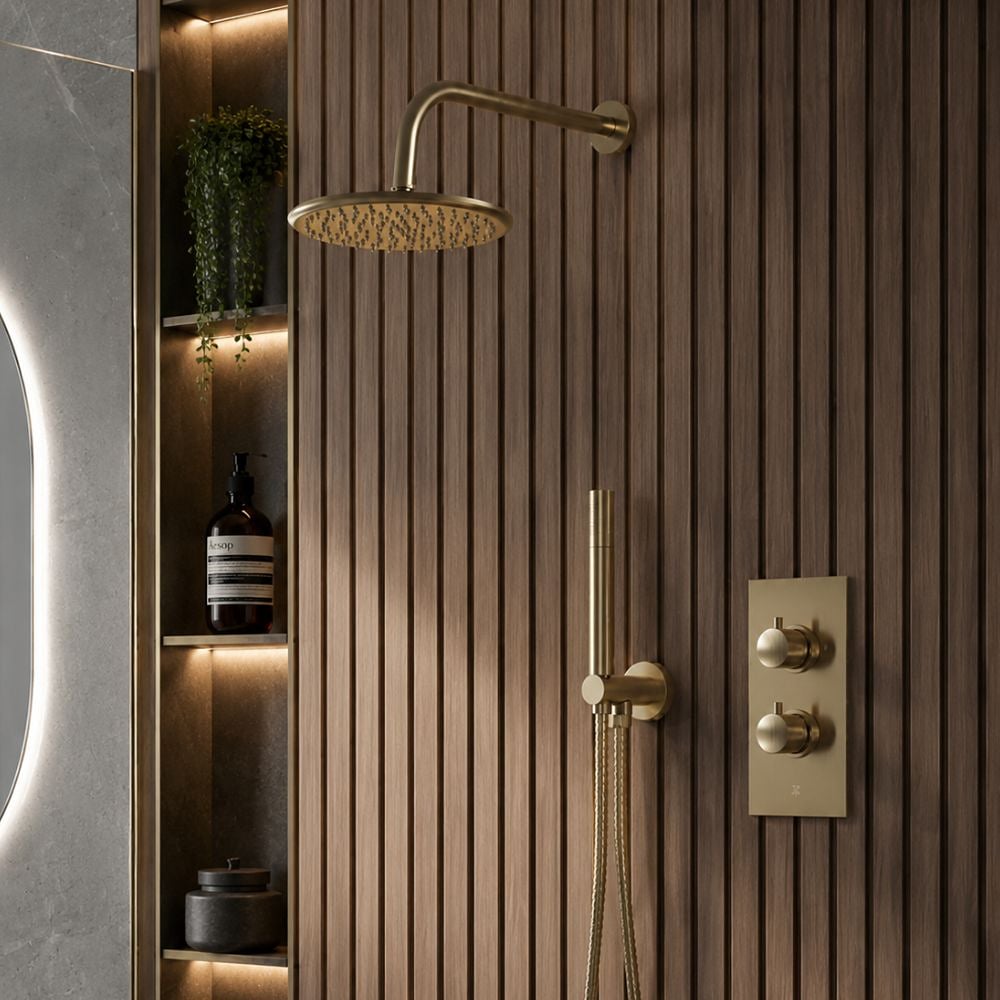
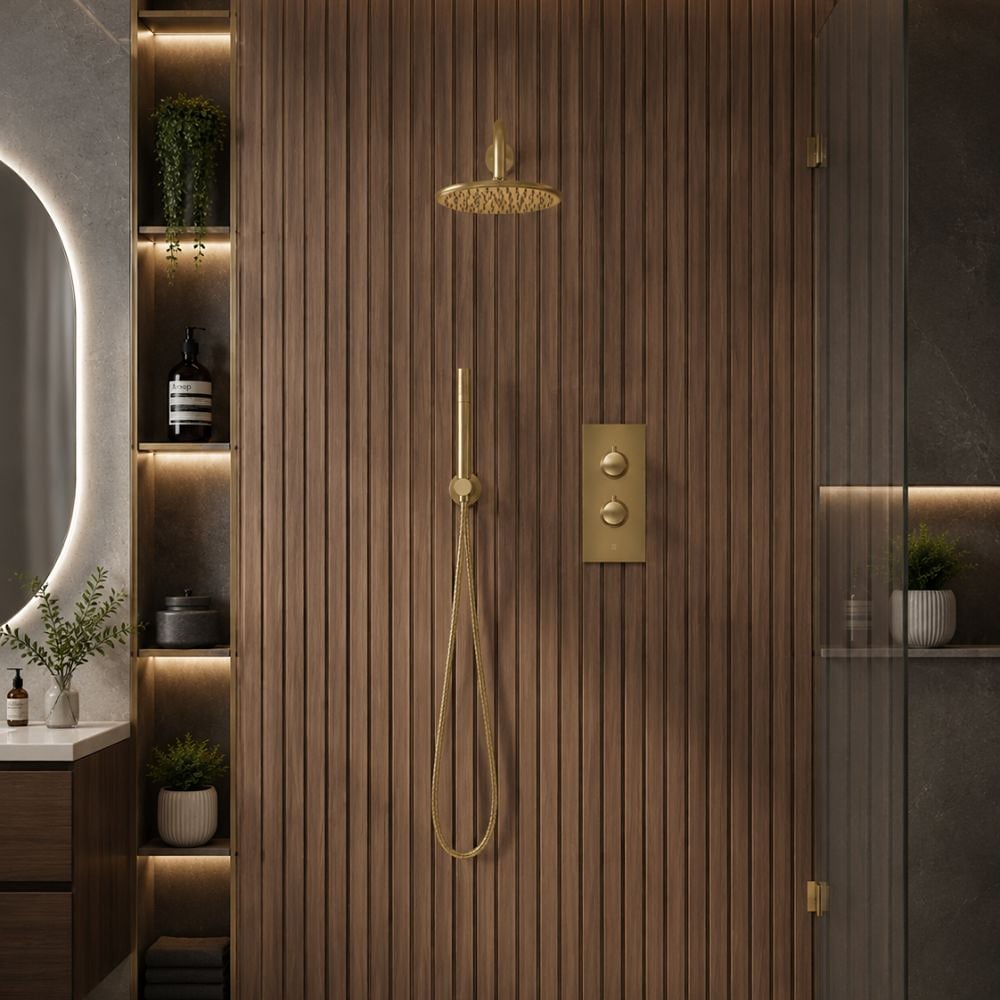
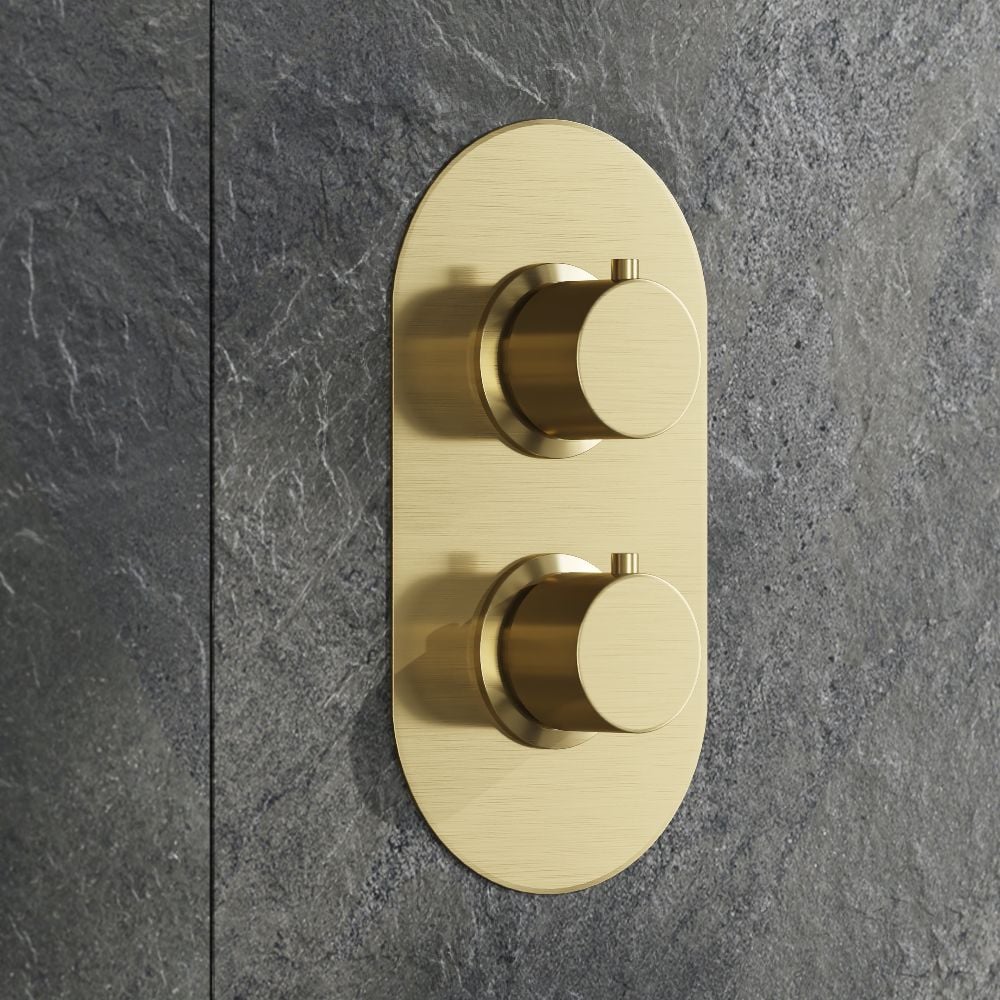
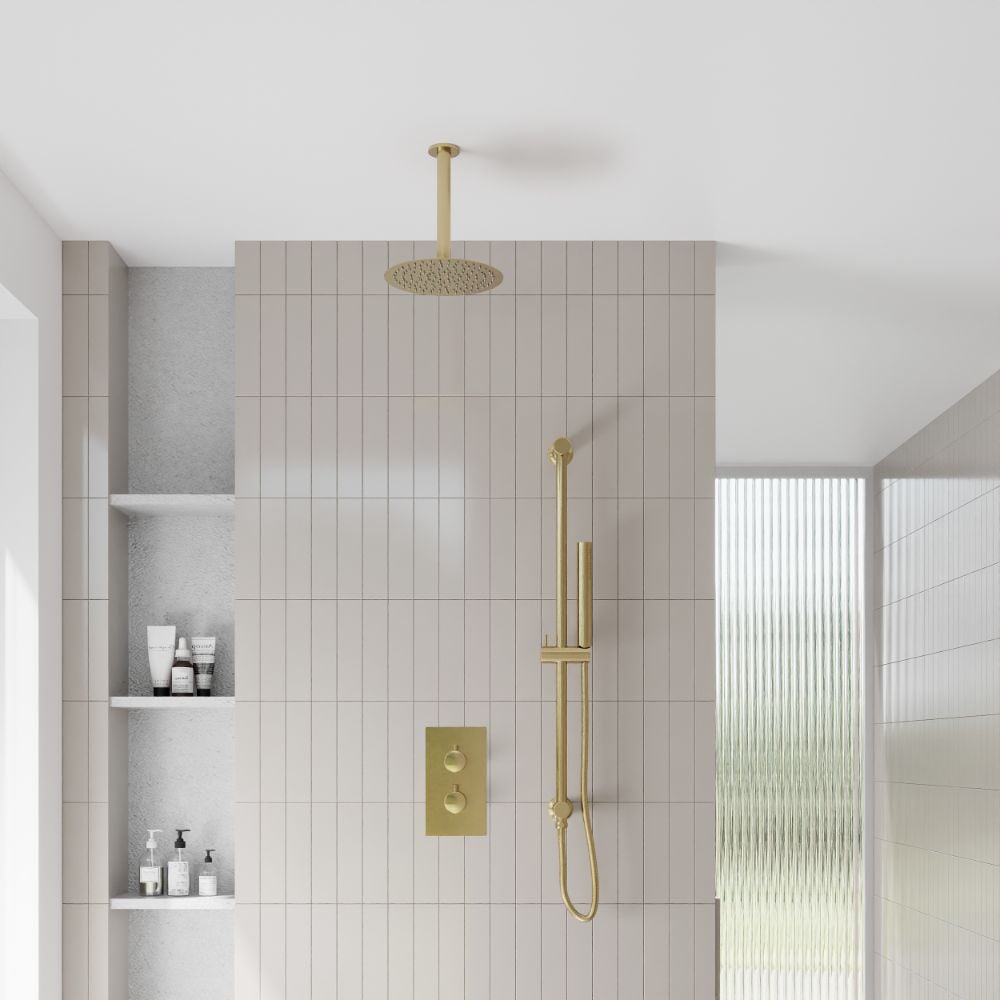
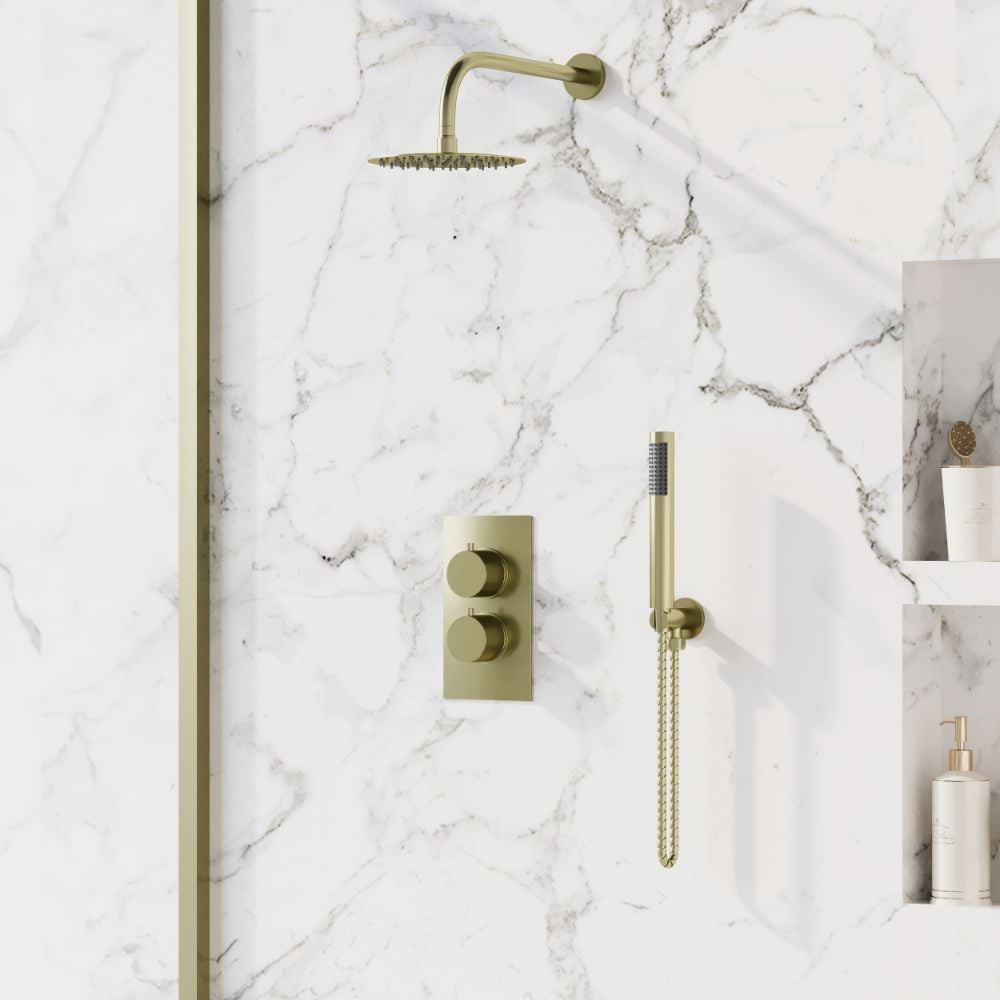
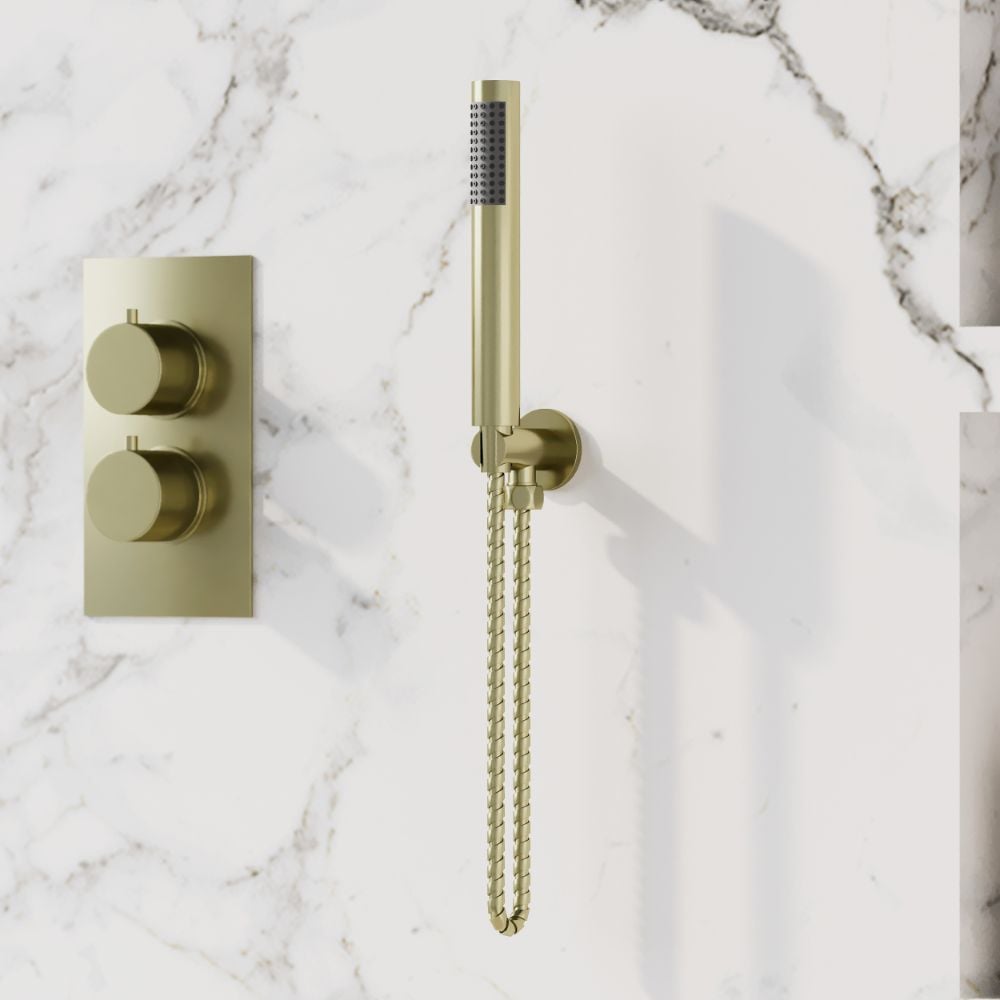
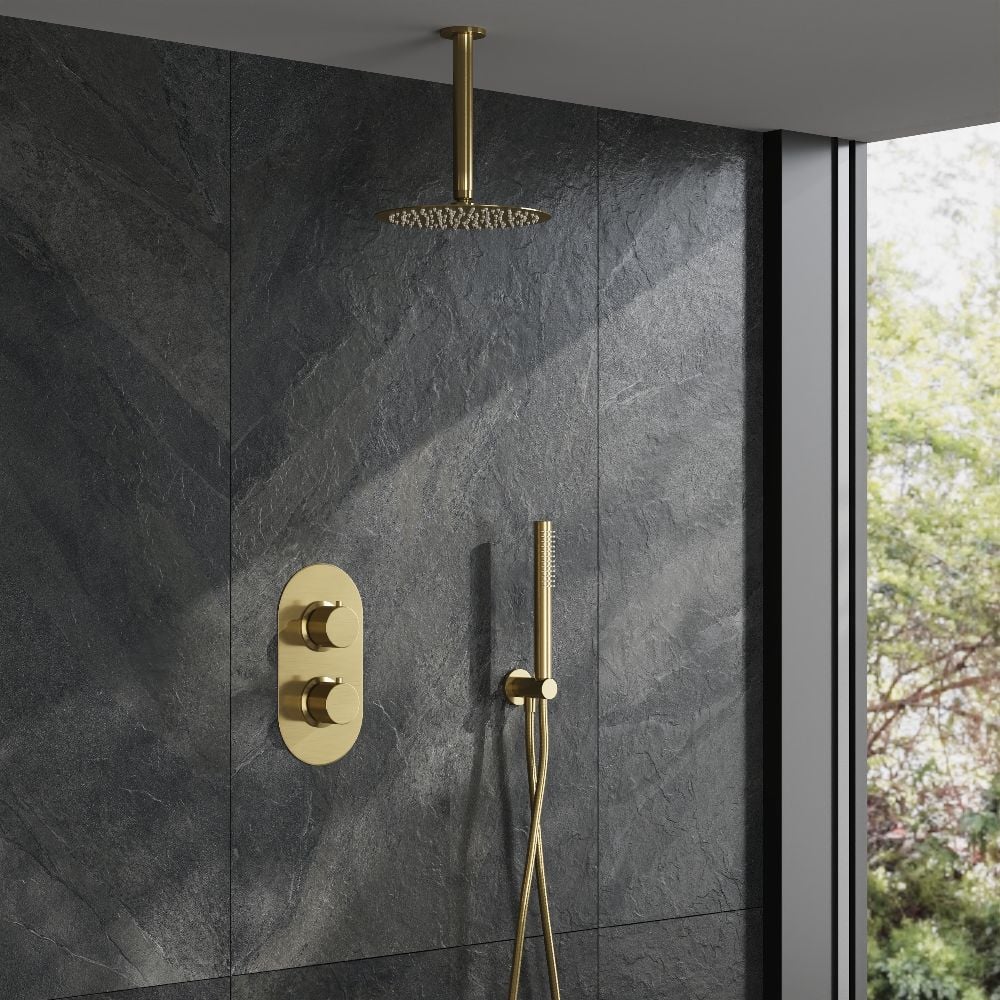
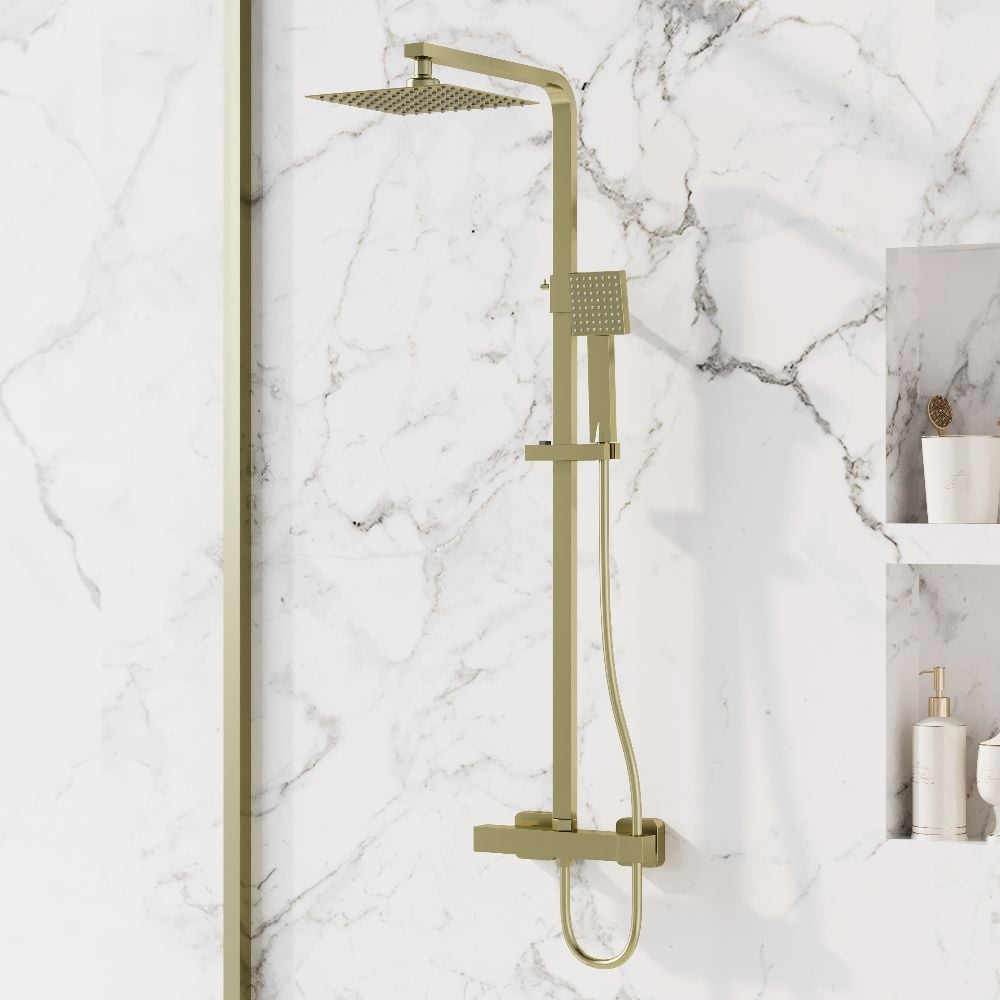
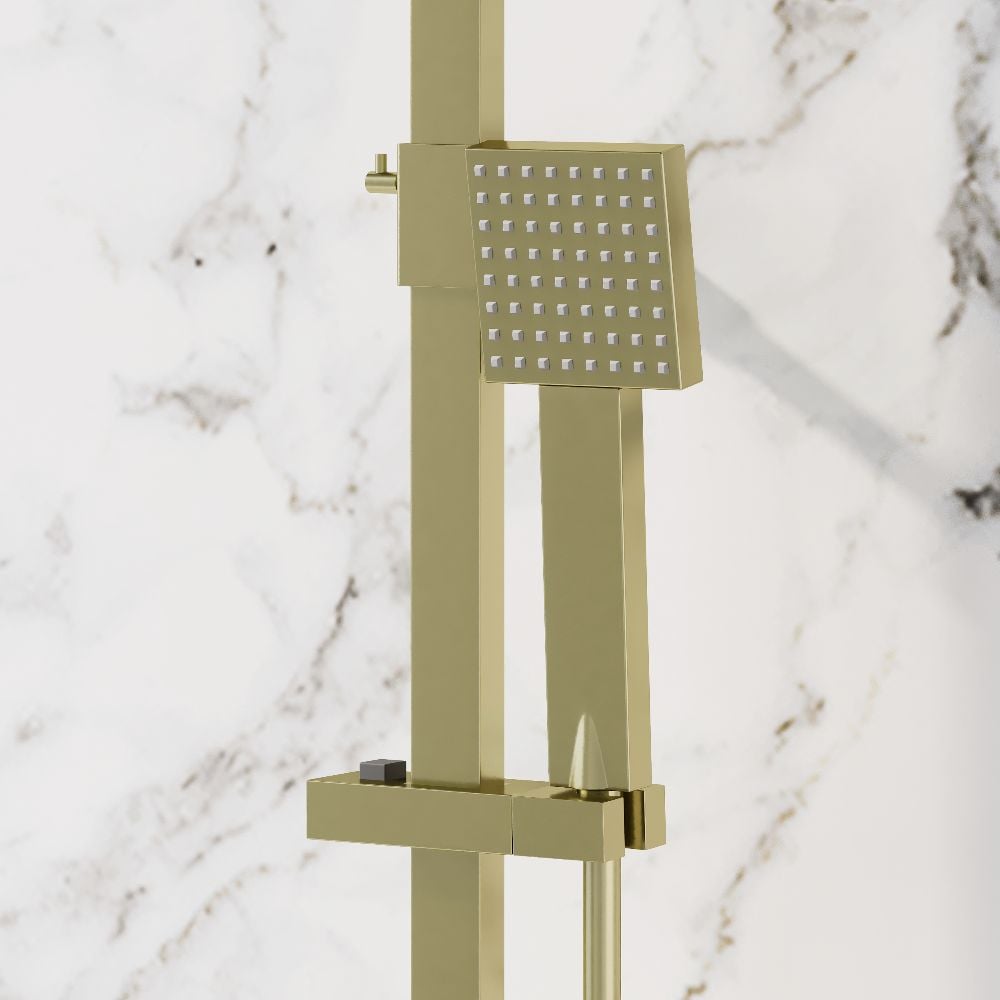
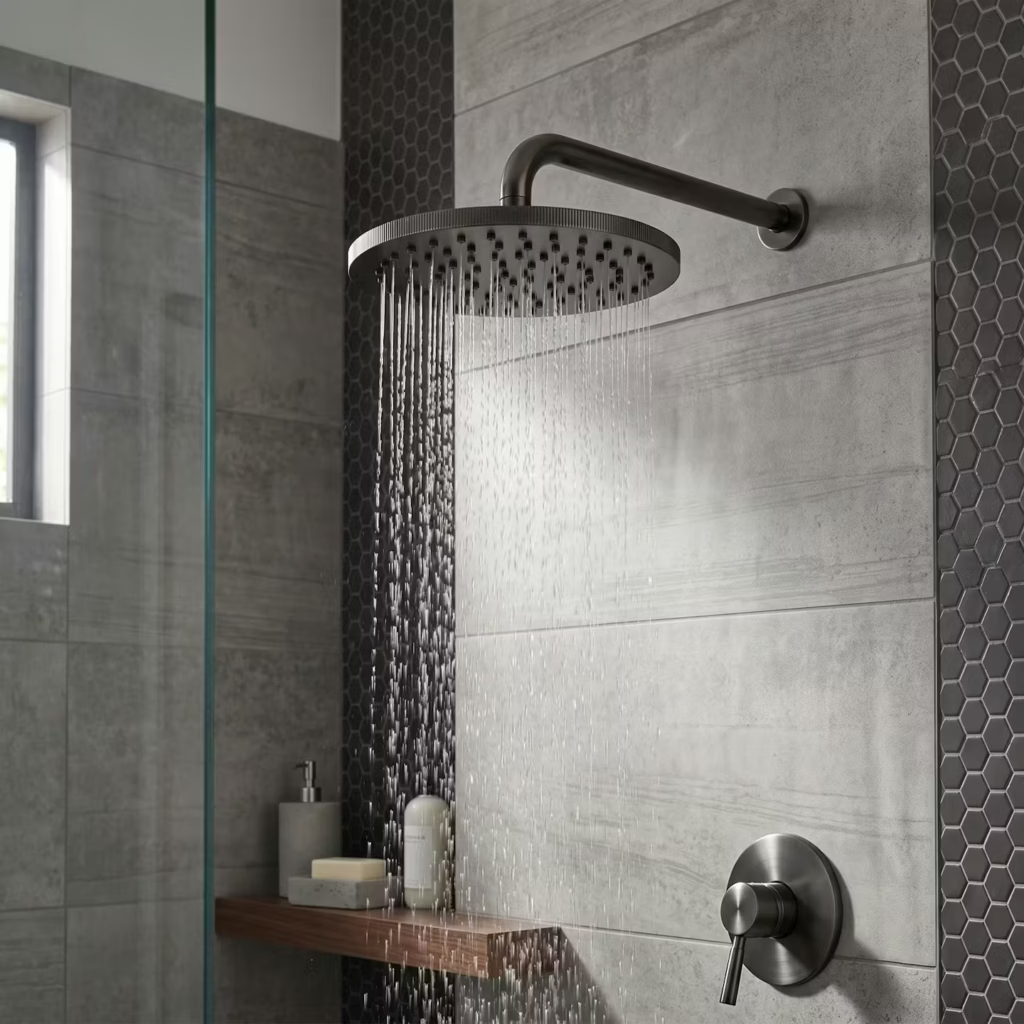
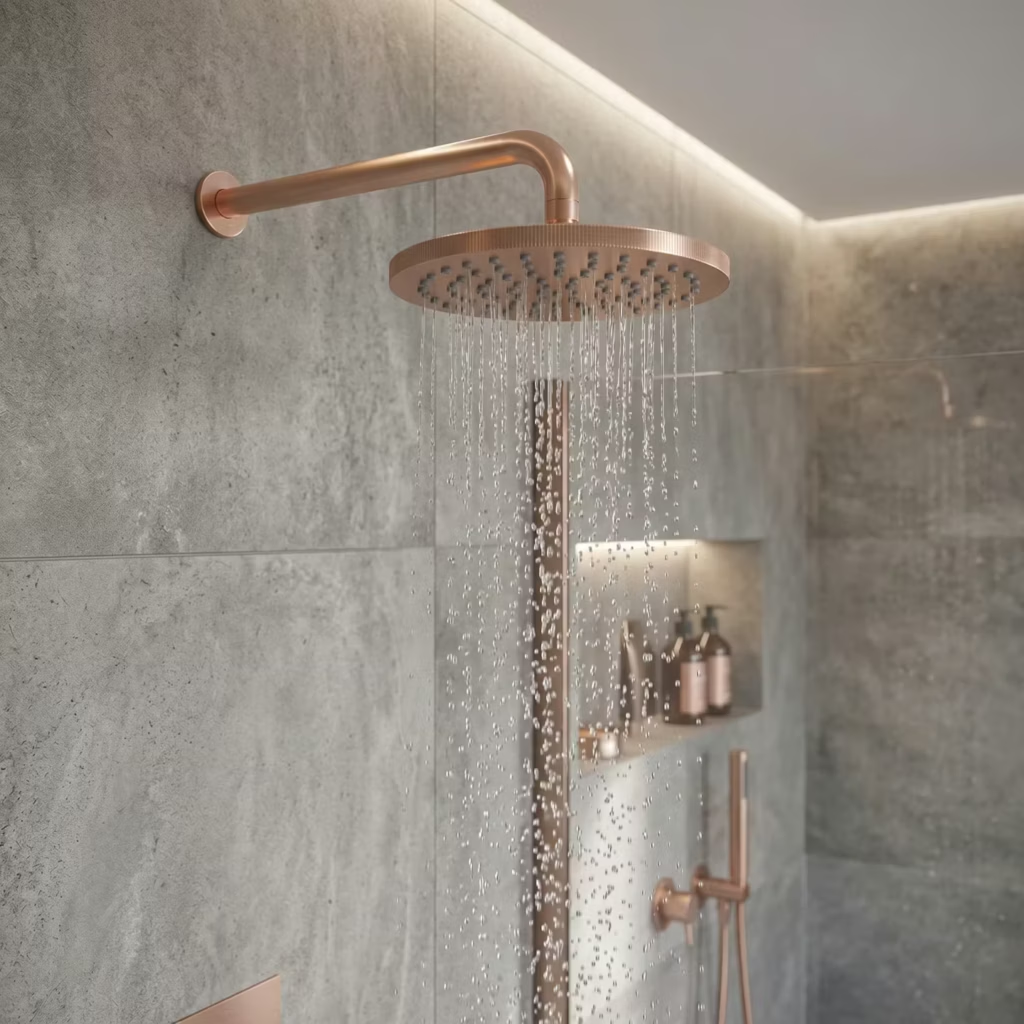
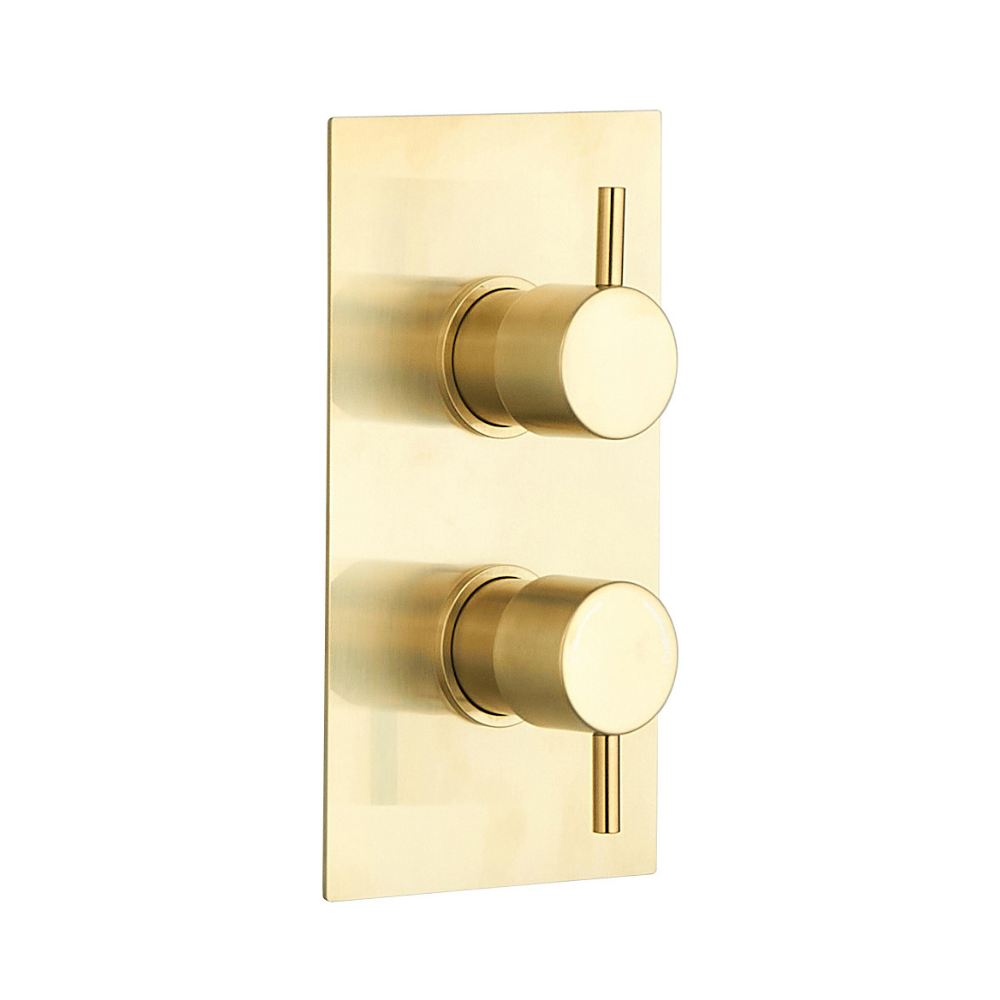
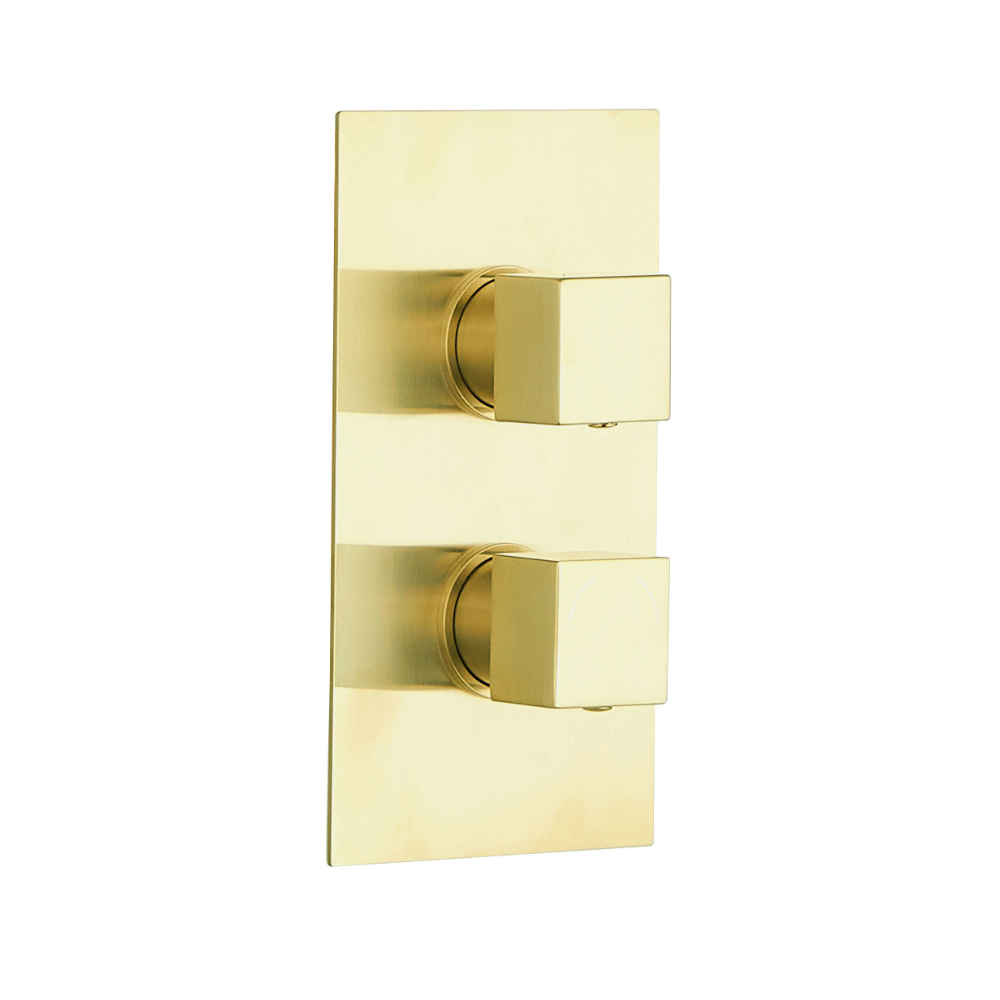
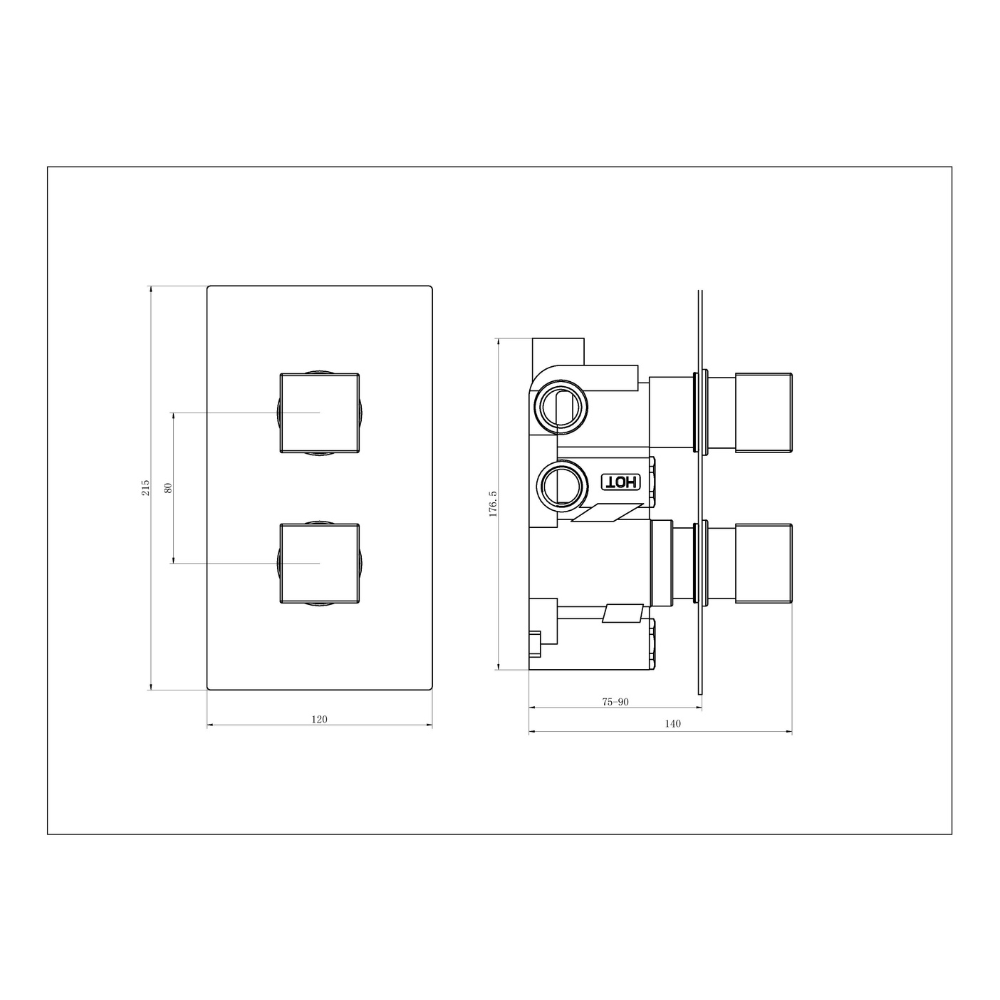
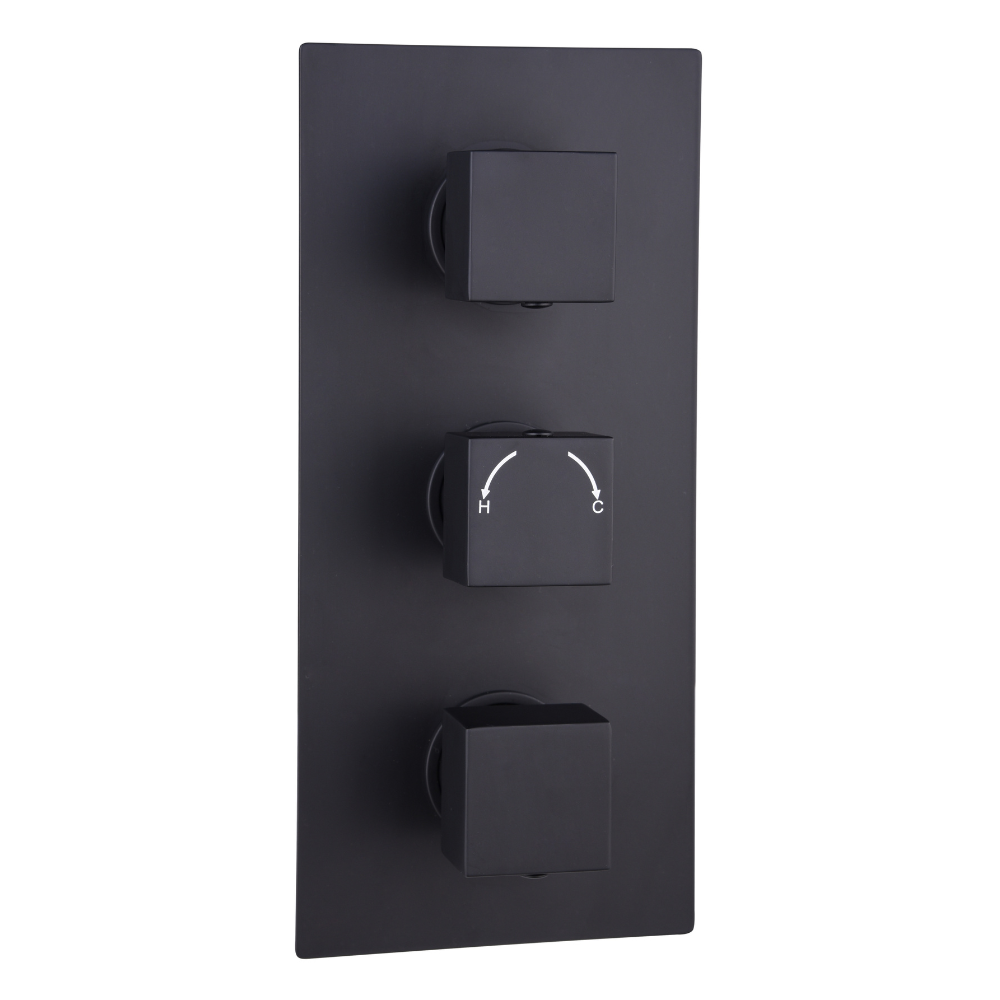
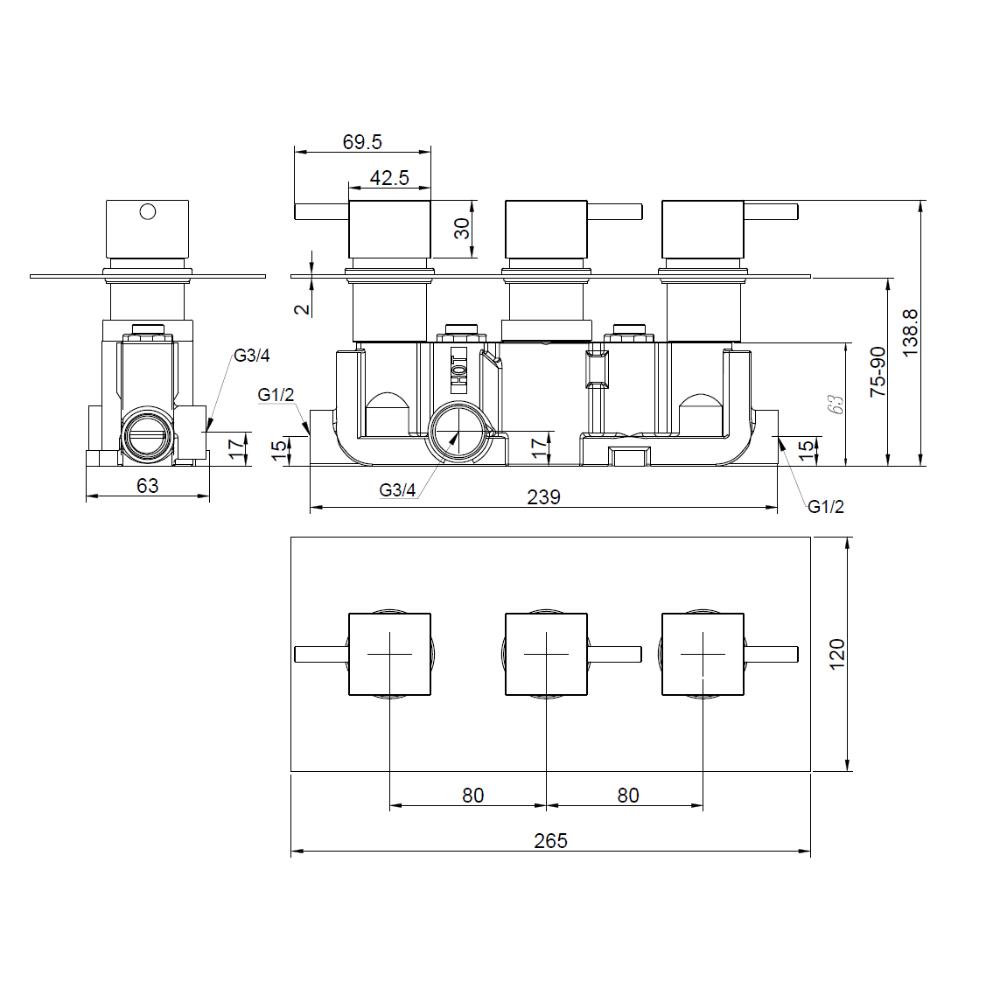
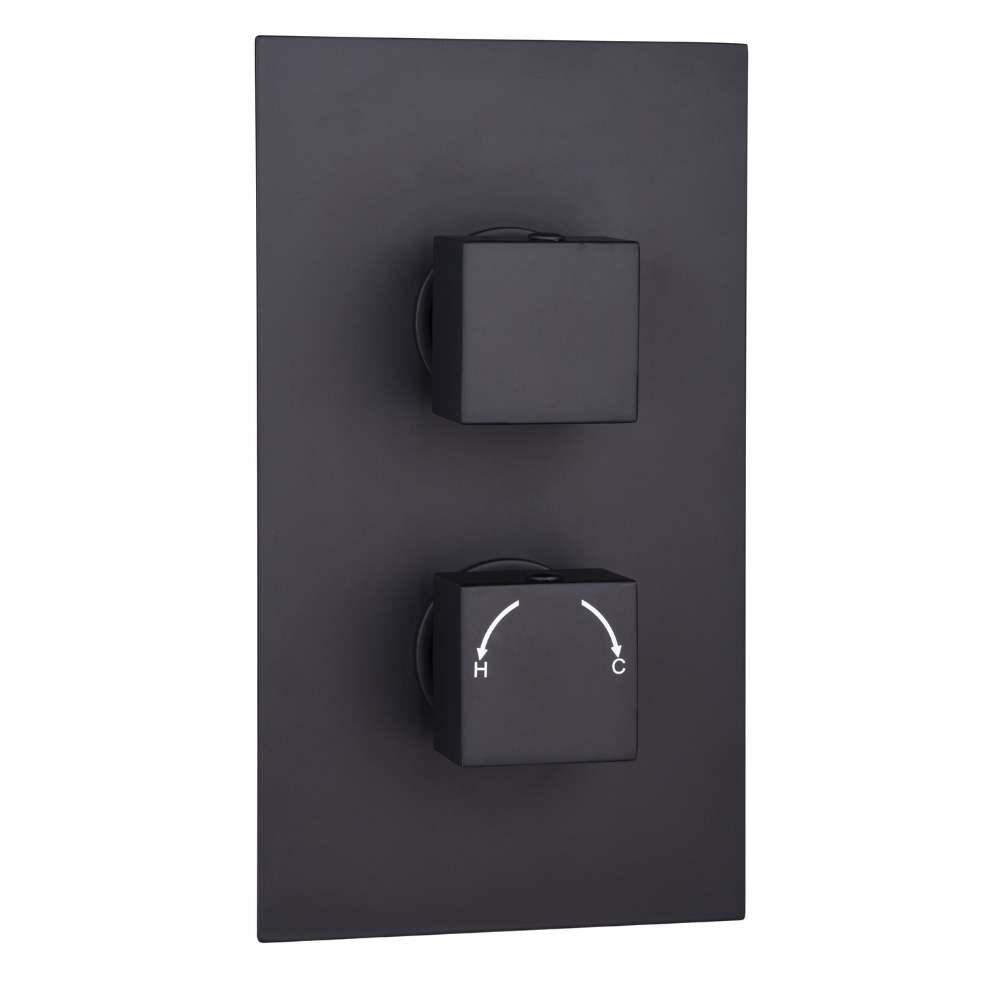
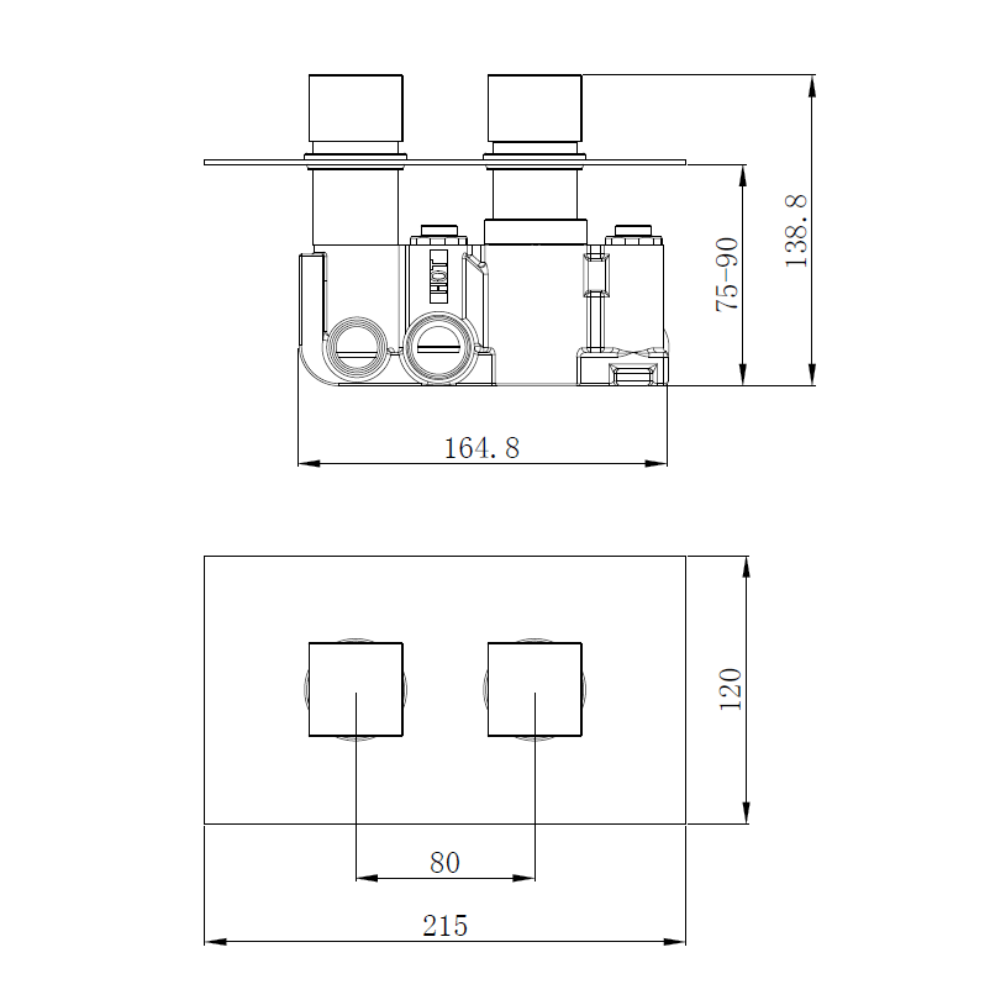
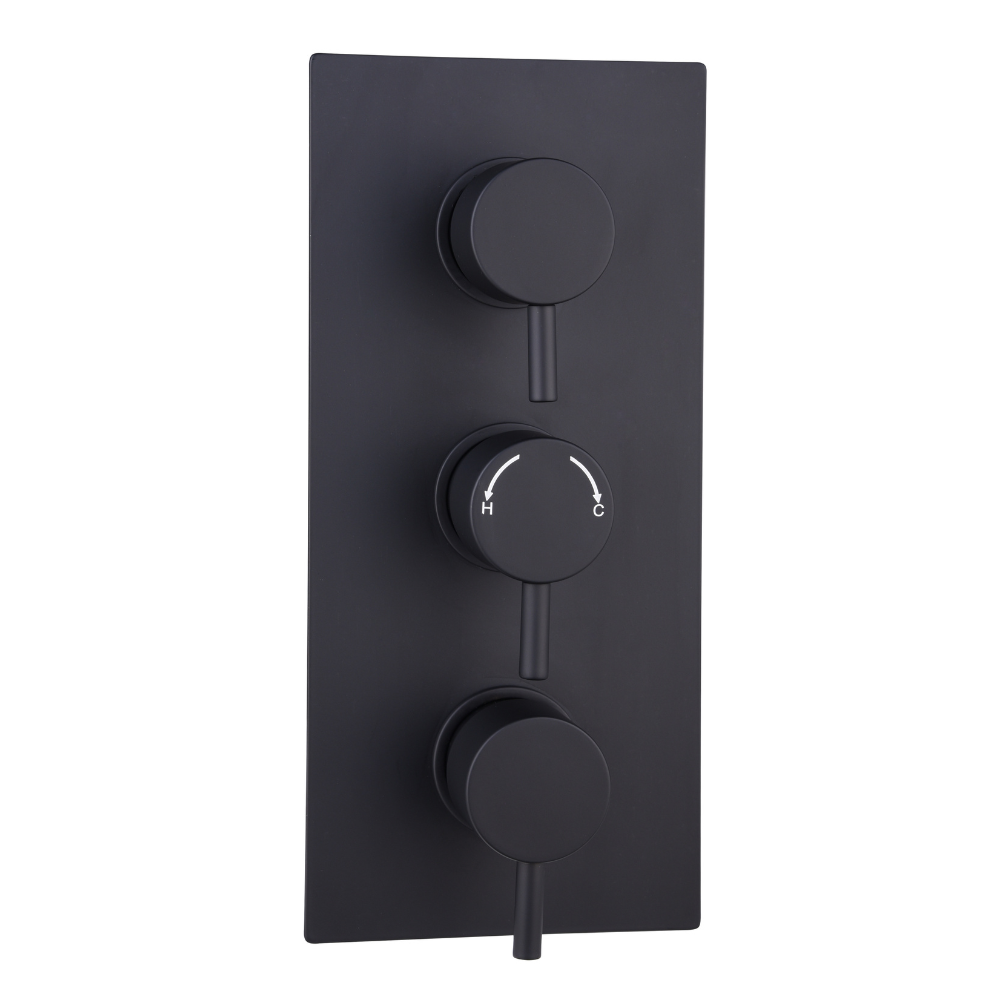
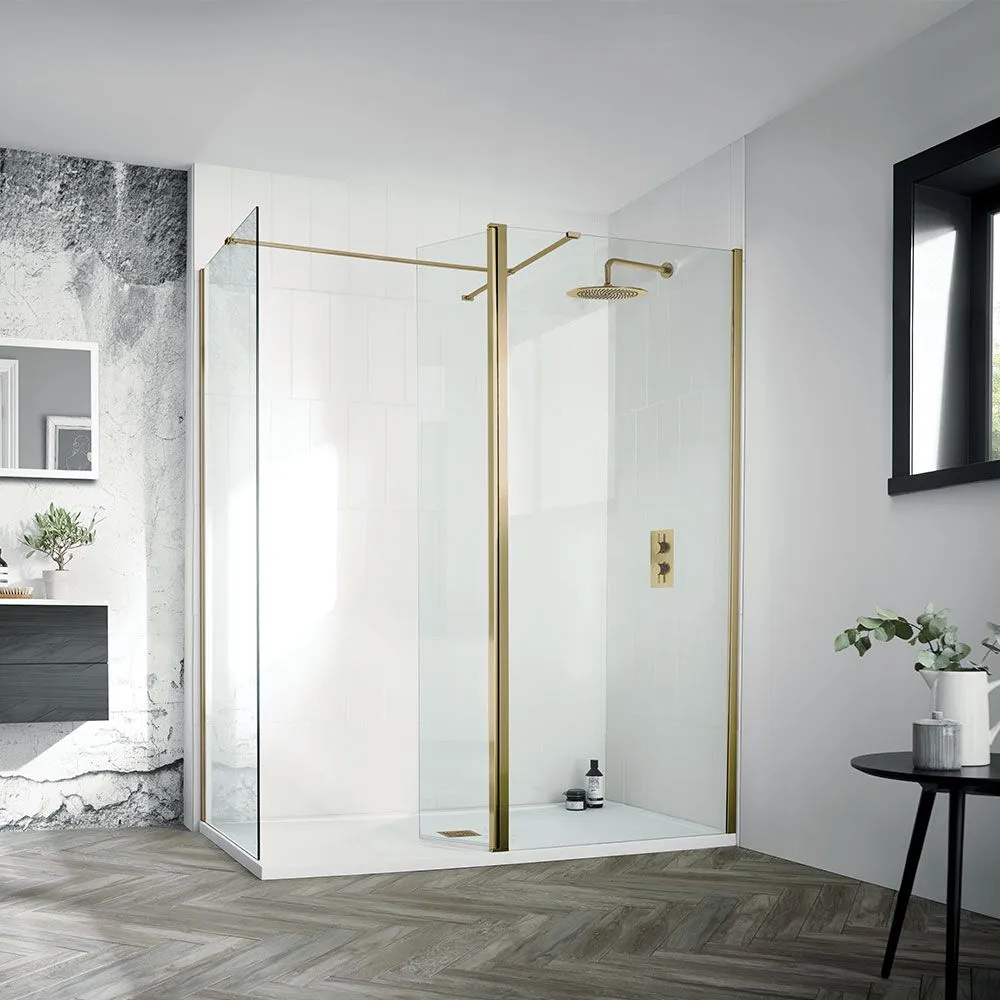
Concealed or exposed is the big decision, and it comes down to installation as much as looks. A concealed, or built-in, shower hides the valve and pipework behind the wall, so all you see is the control plate and the head. It looks the tidiest and it is the modern default for a new bathroom. The catch is that it is a tiled-in, planned job: you cannot easily get back to the valve later, so you want it specced before the wall goes up. Browse the concealed shower sets, or take the Litchfield Select Brushed Brass 2 Outlet Concealed Shower at £169 as a worked example. It is a square thermostatic set with a slimline 200mm square head and a handset, a diverter built into the top handle to switch between them, built-in anti-scald protection and a 5-year guarantee.
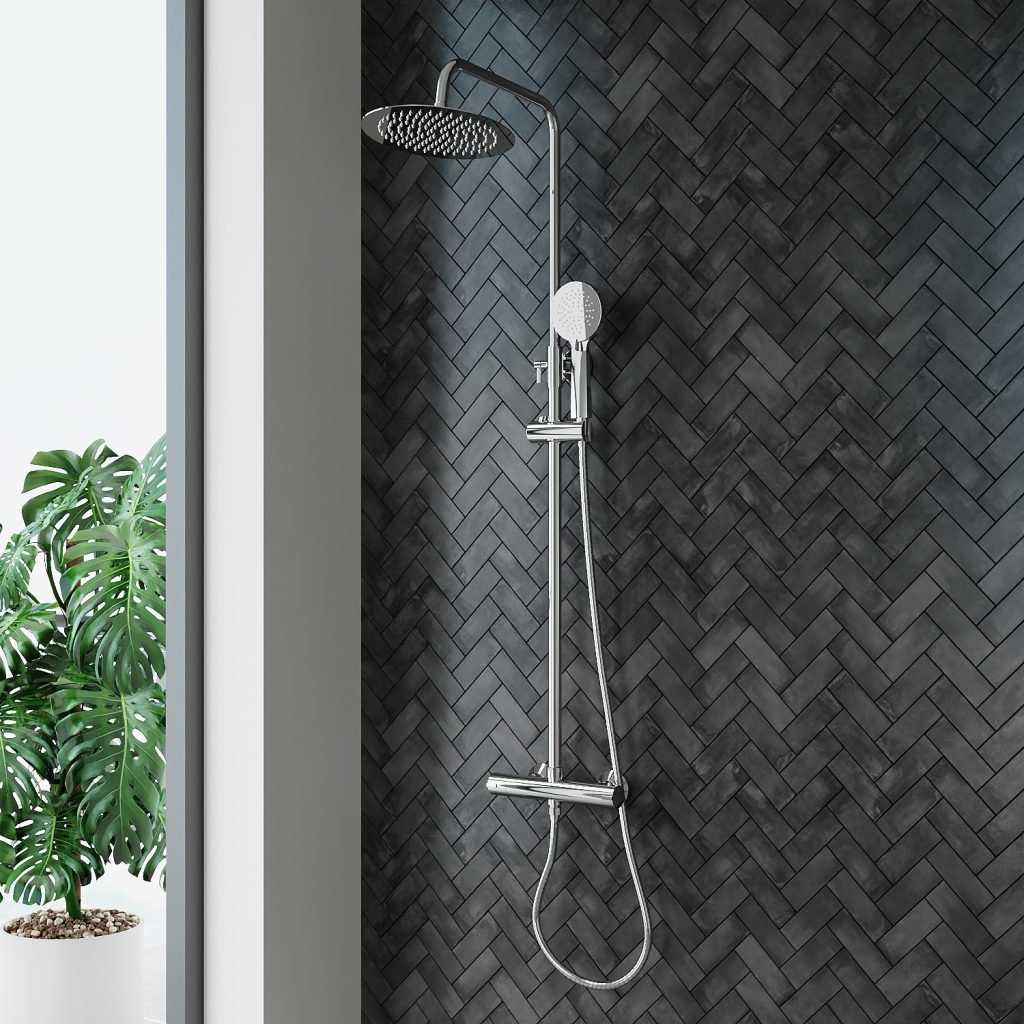
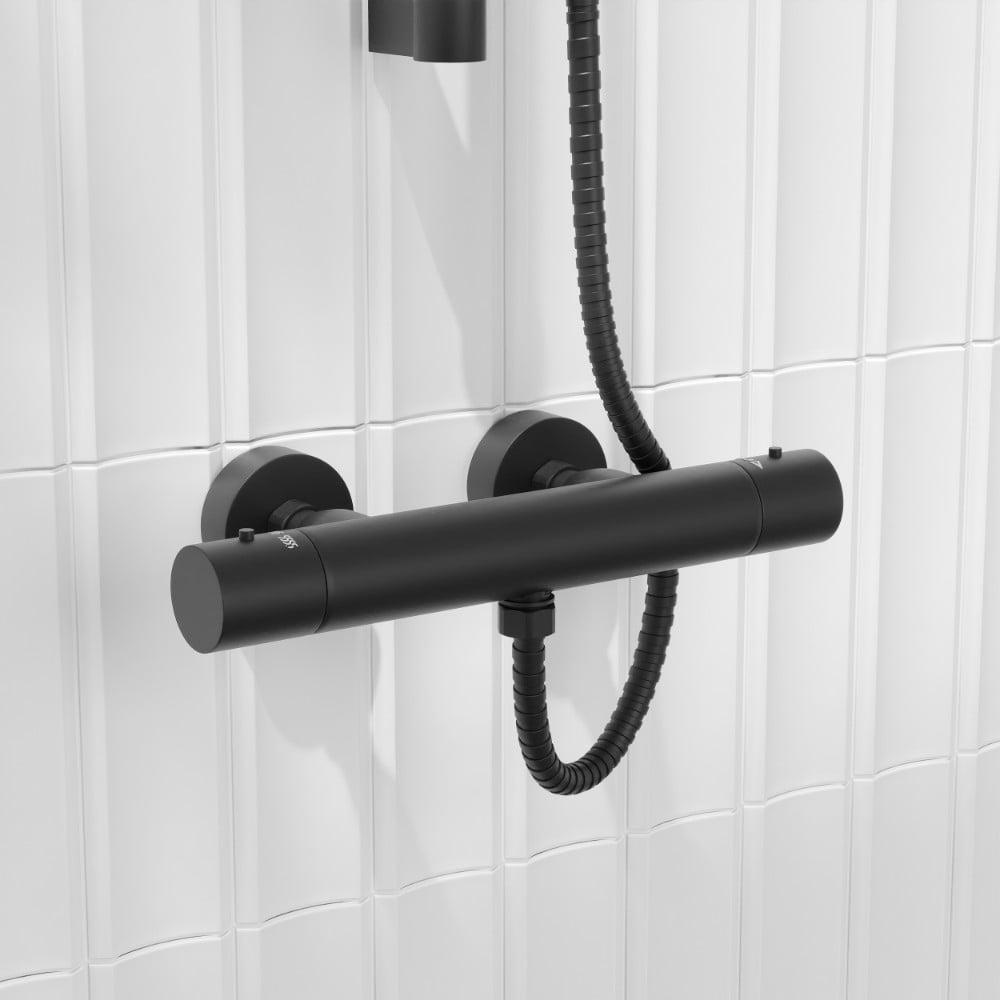
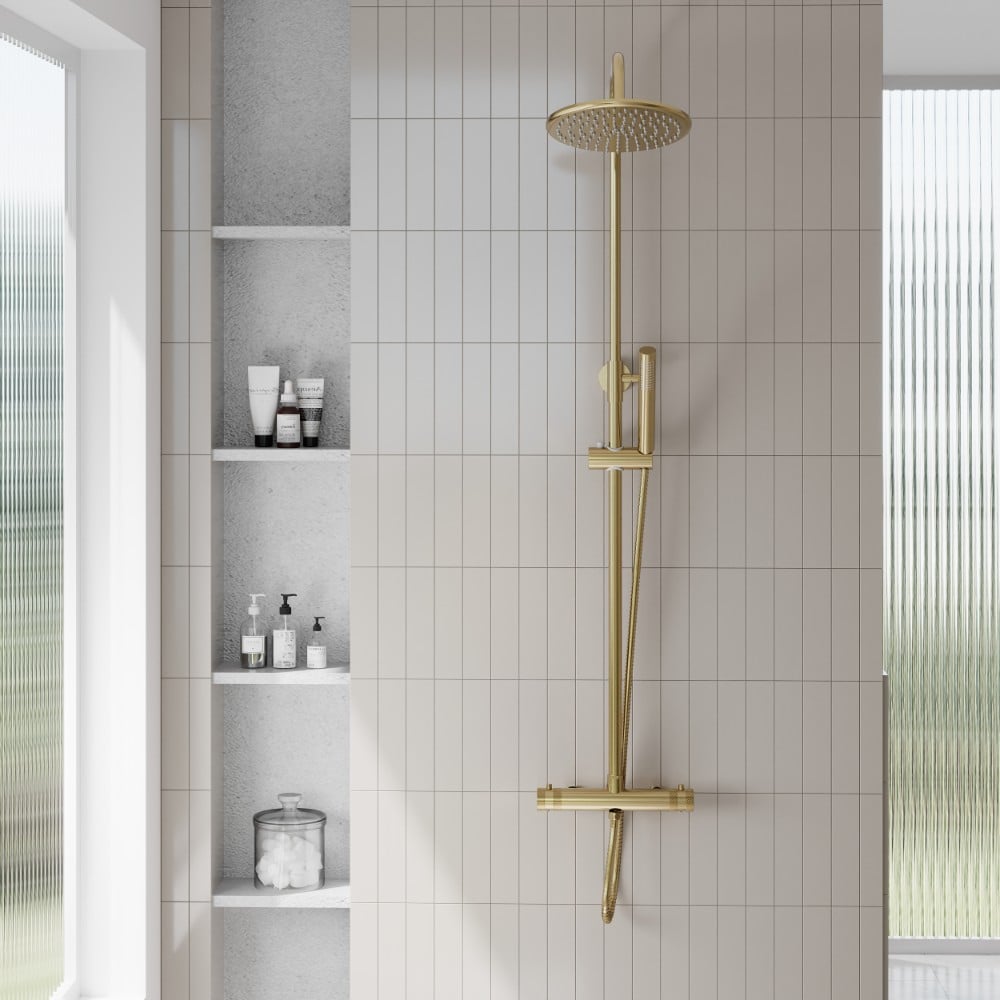
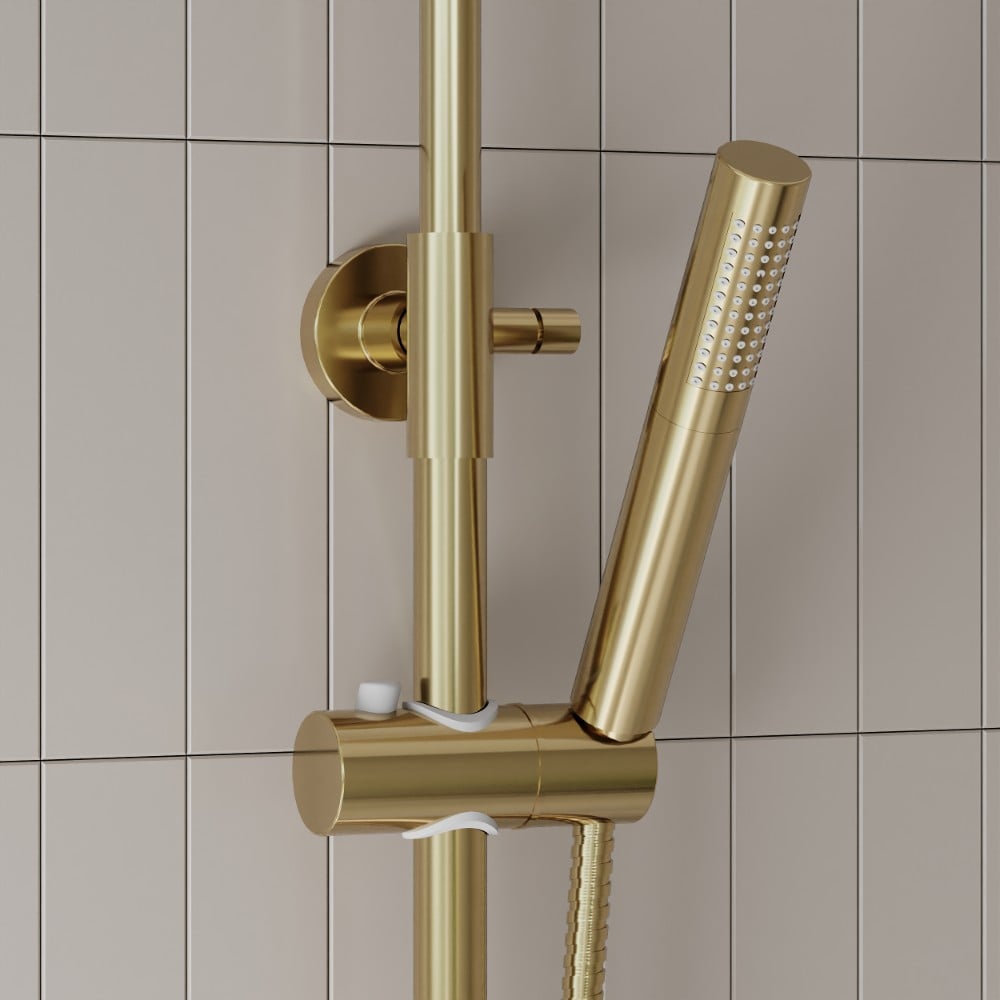
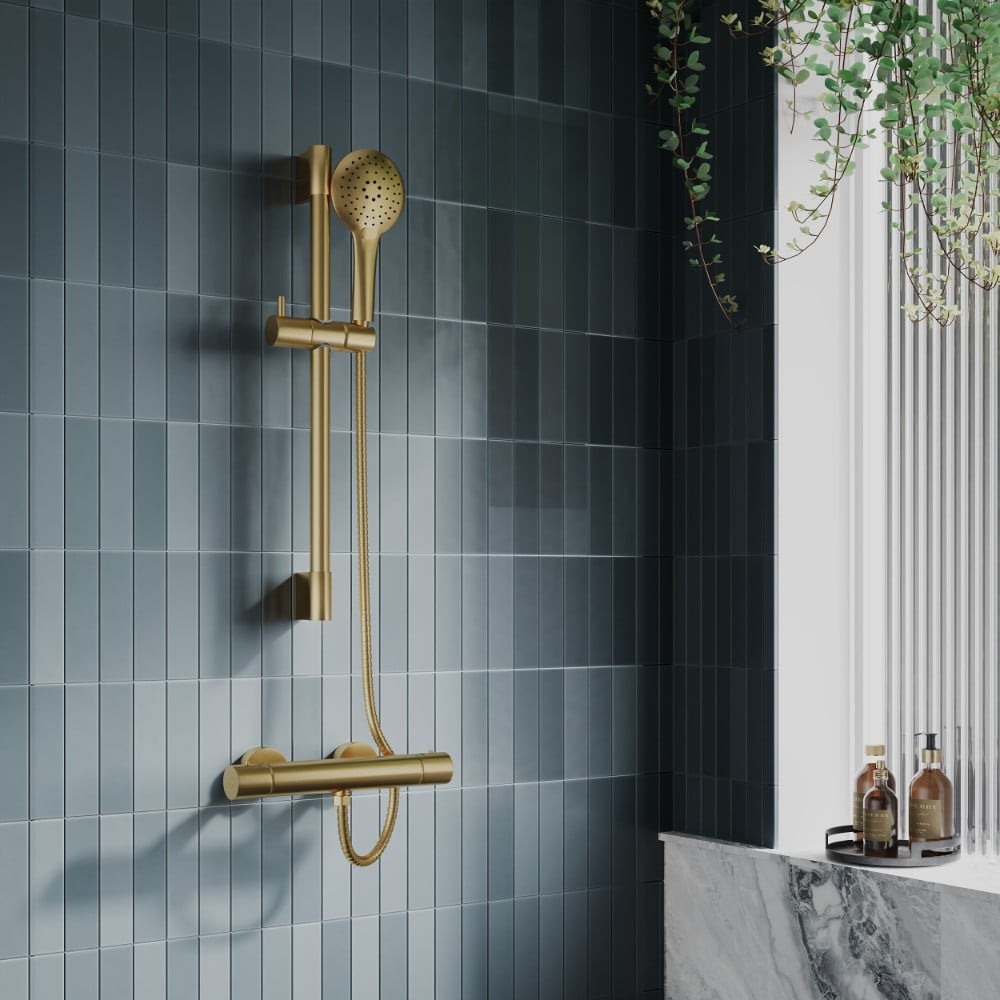
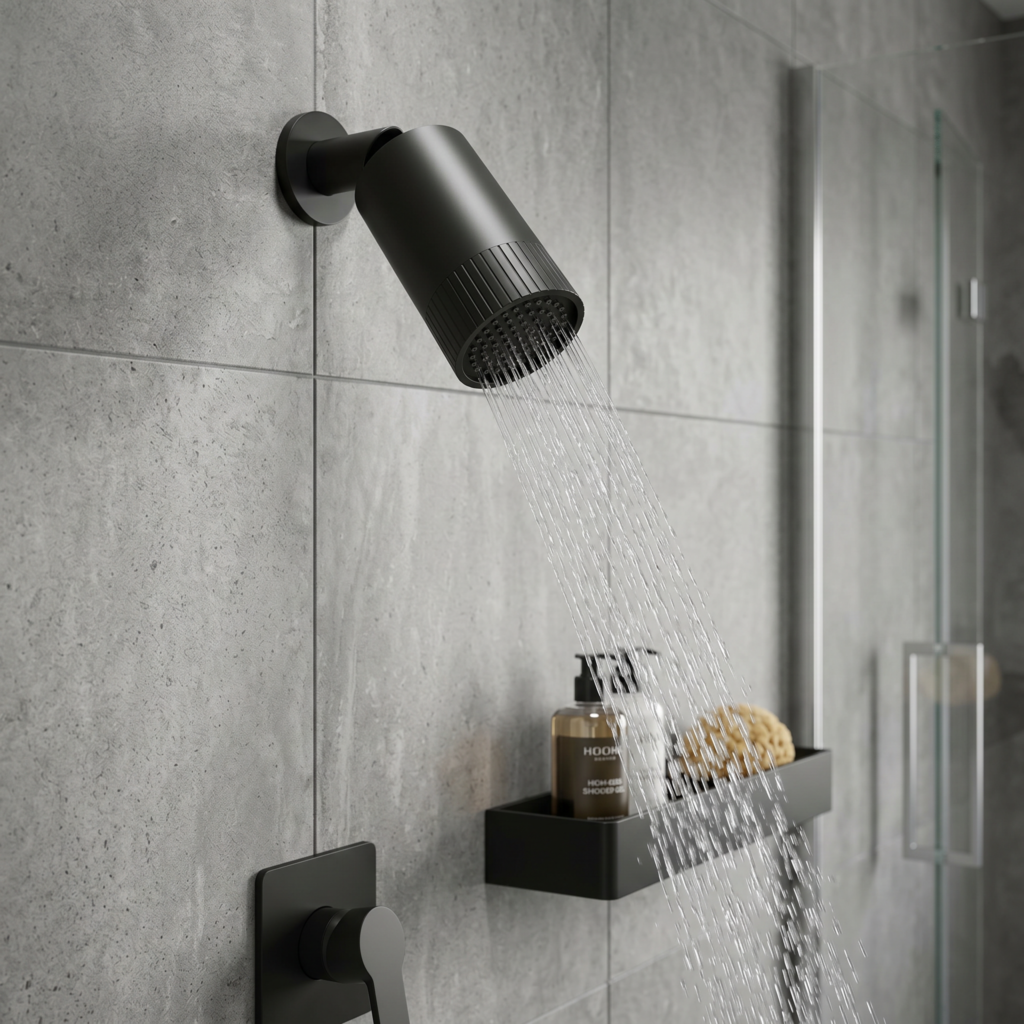
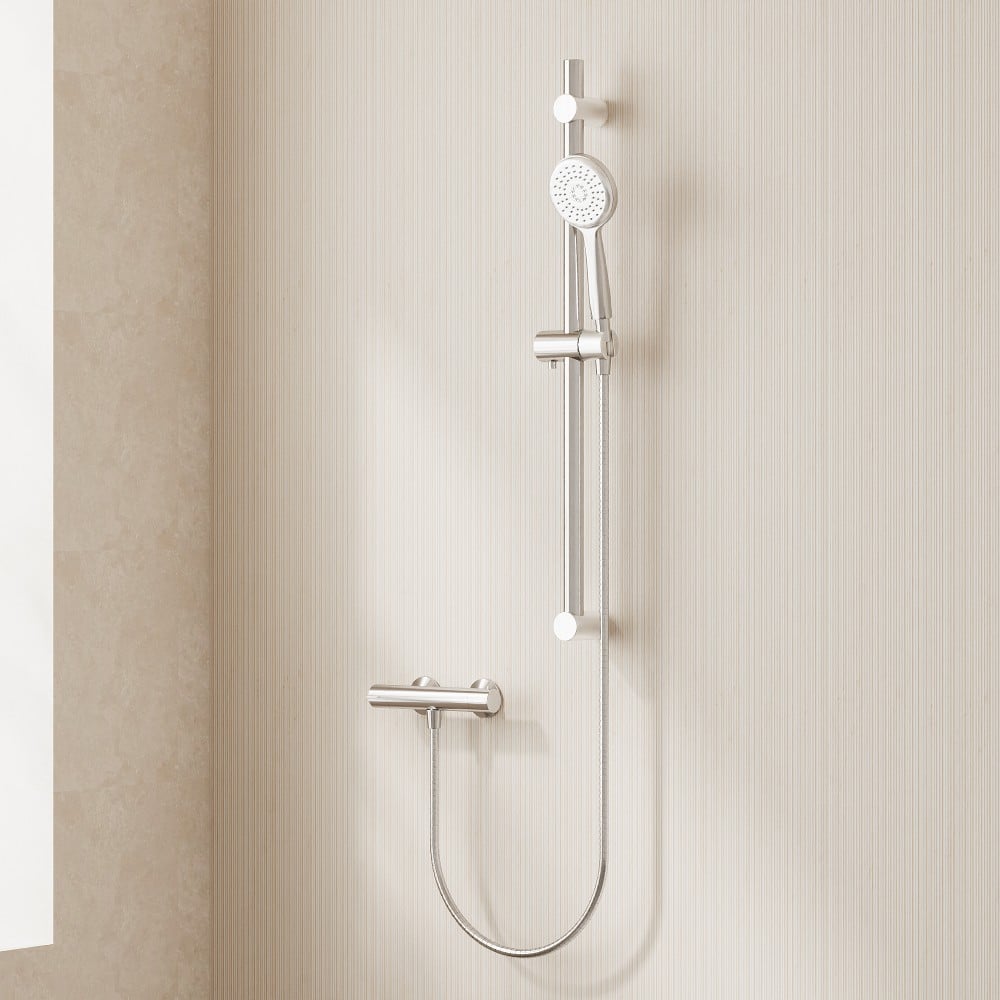
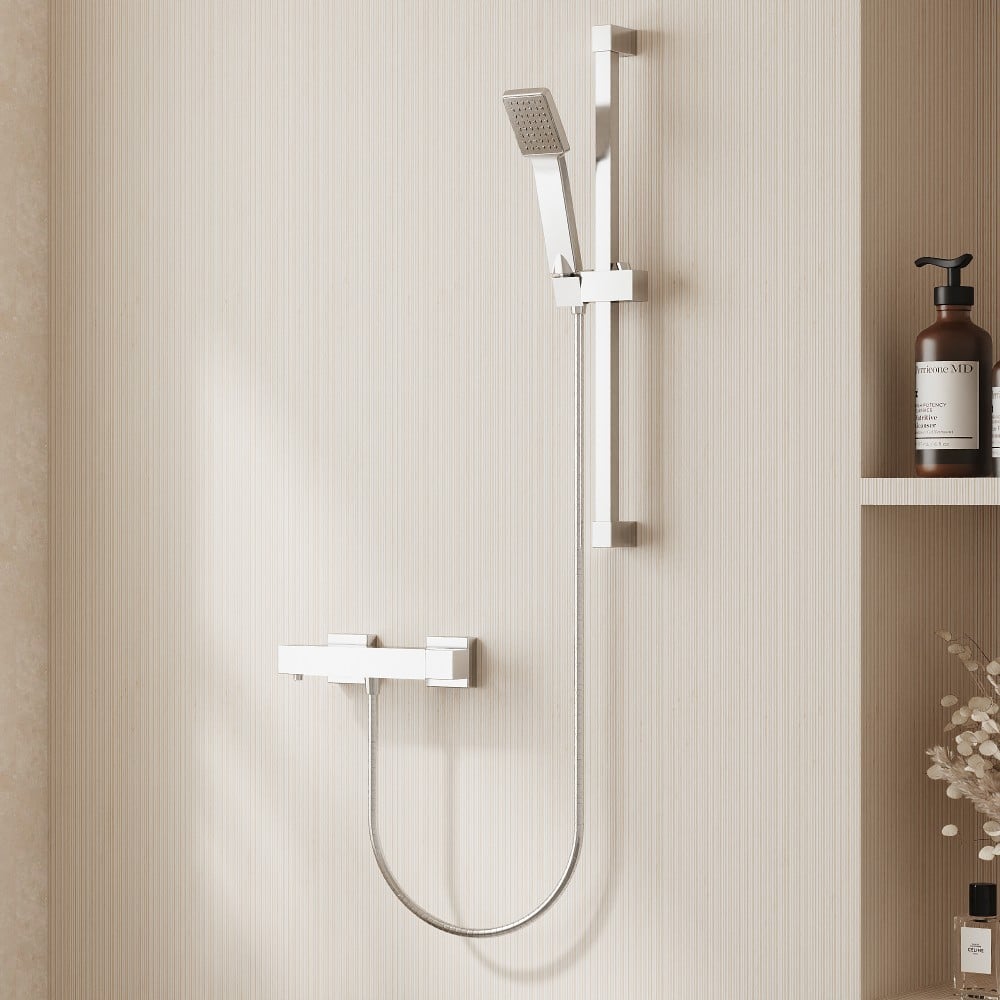
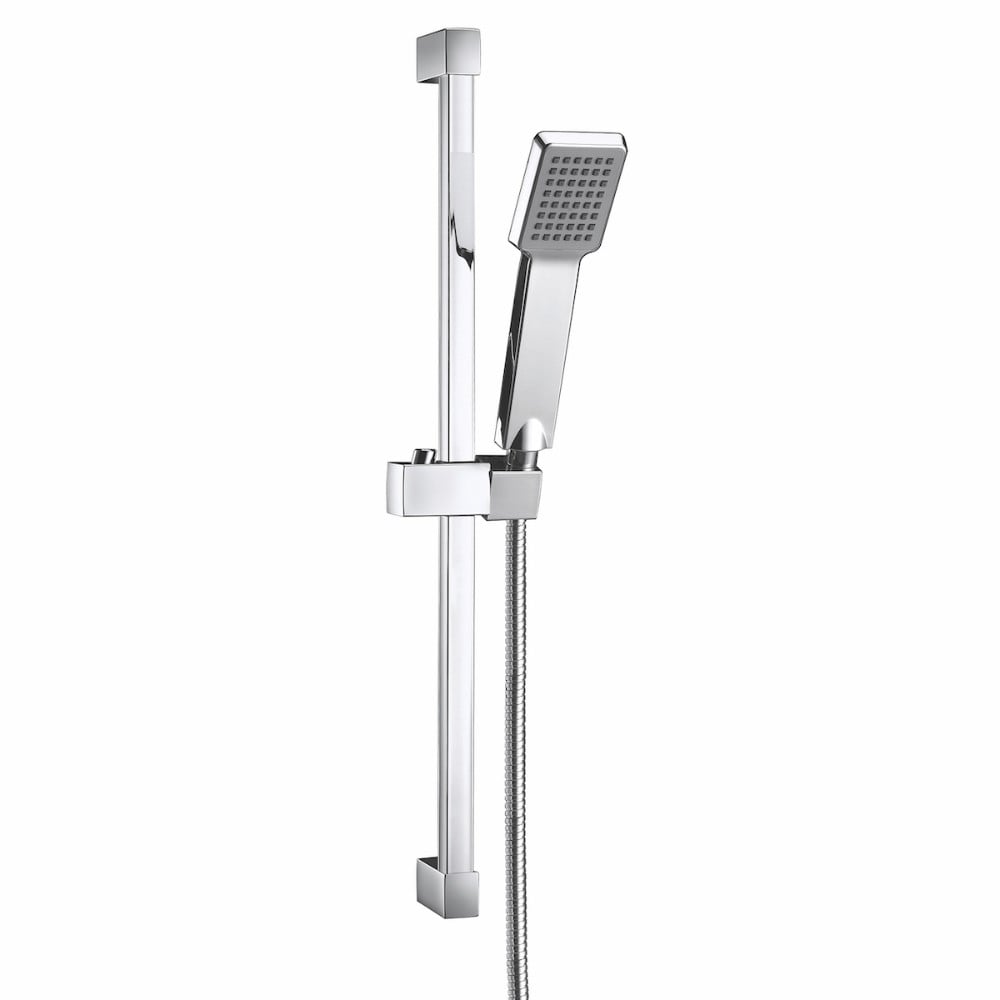
An exposed, or surface-mounted, shower is the opposite. It bolts to the wall with the pipework on show, usually on a rigid riser, which makes it much easier to fit, the sensible pick for a like-for-like swap, and reachable if anything ever goes wrong. Have a look at the exposed showers. Honestly, for most swaps this is the path of least pain.
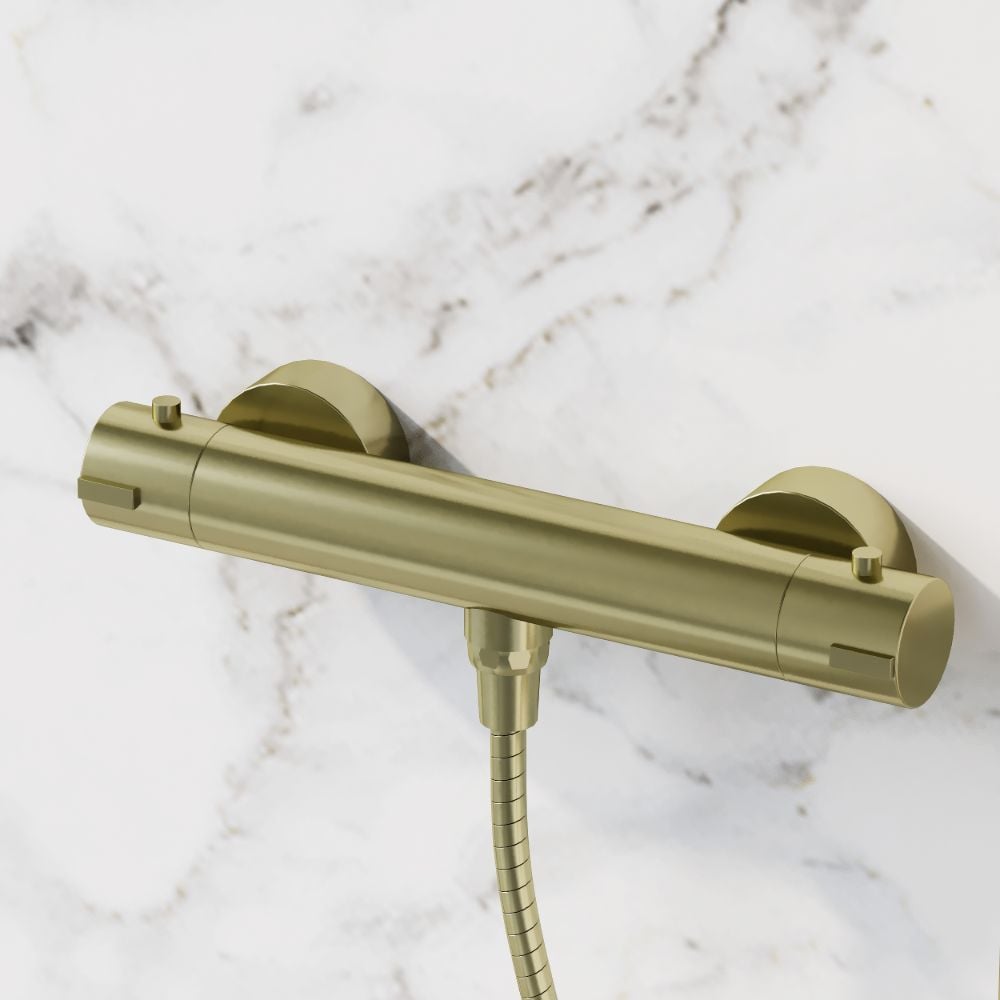
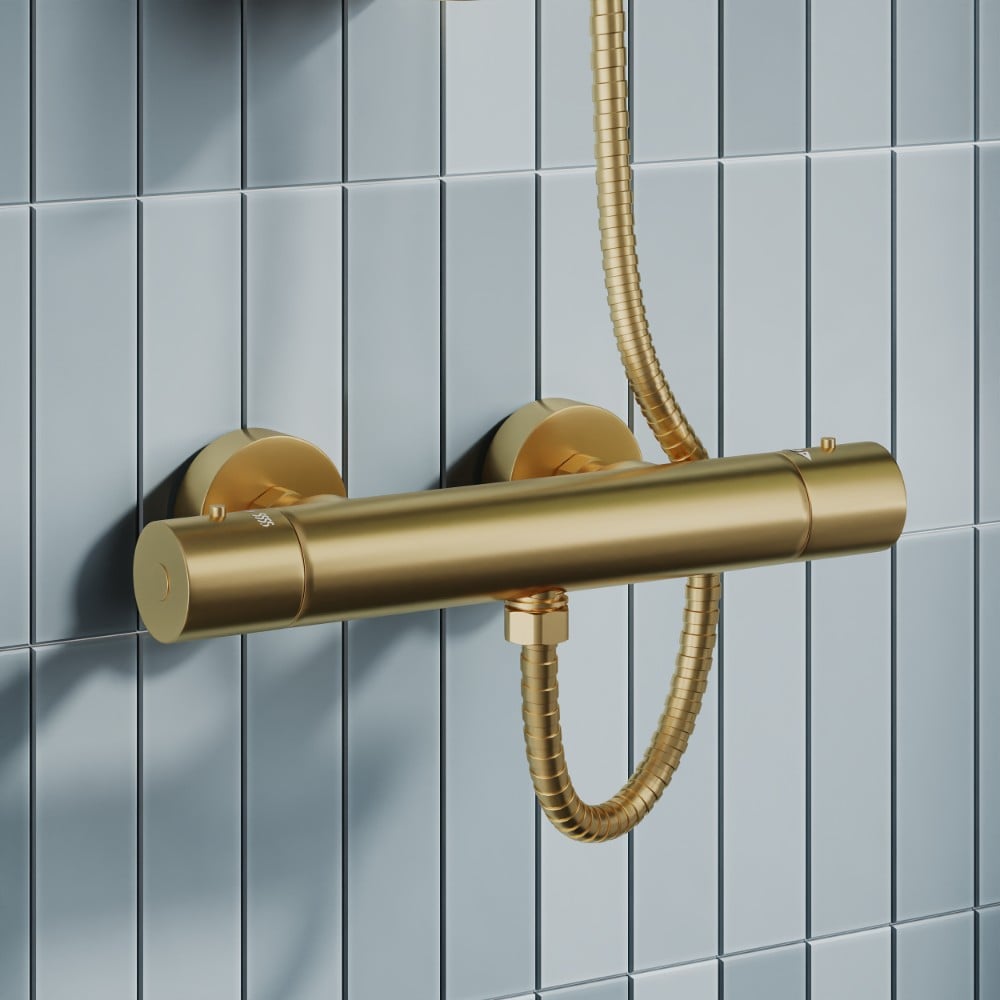
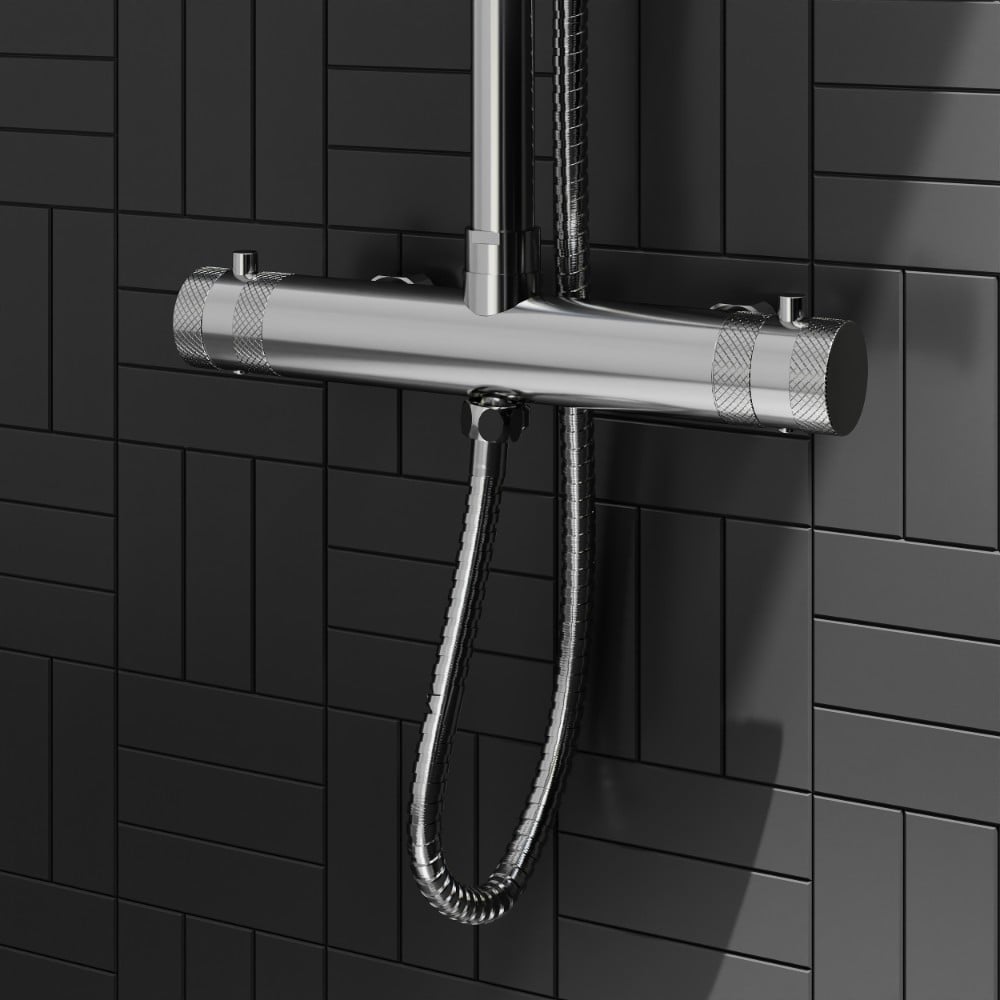
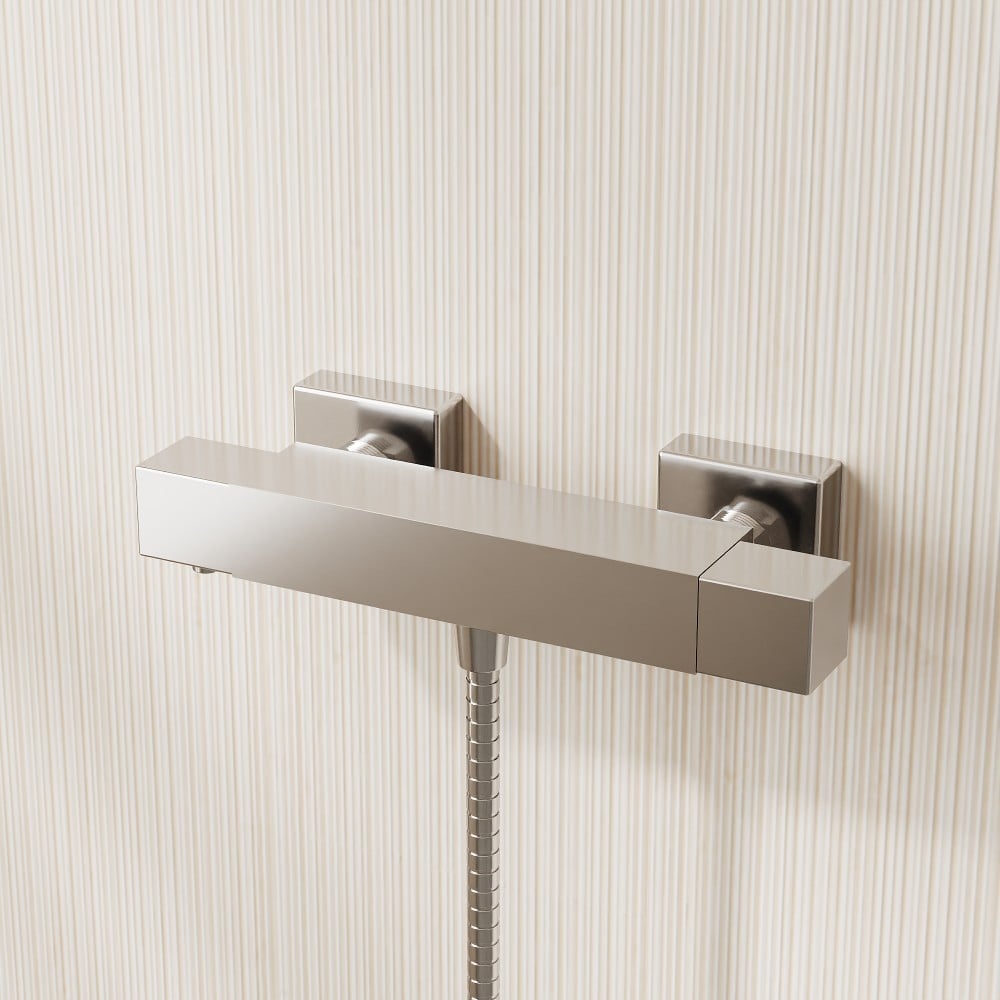
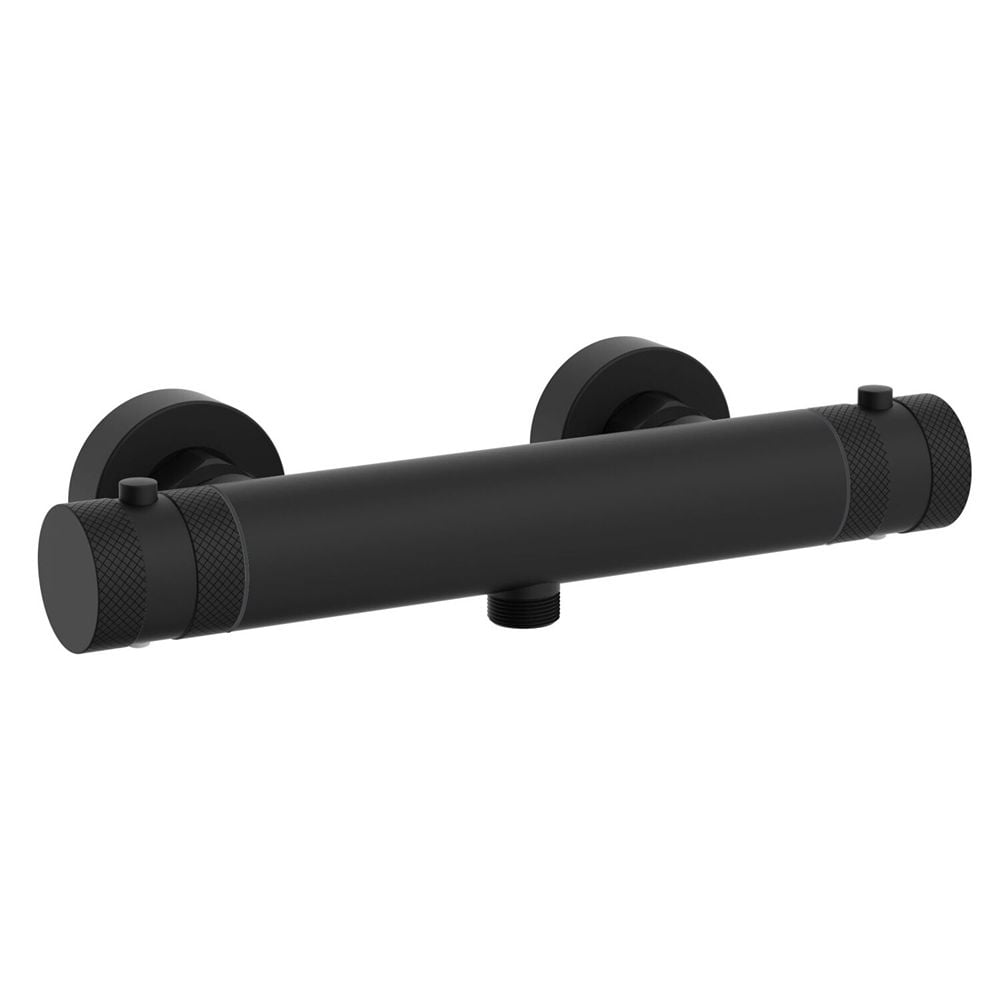
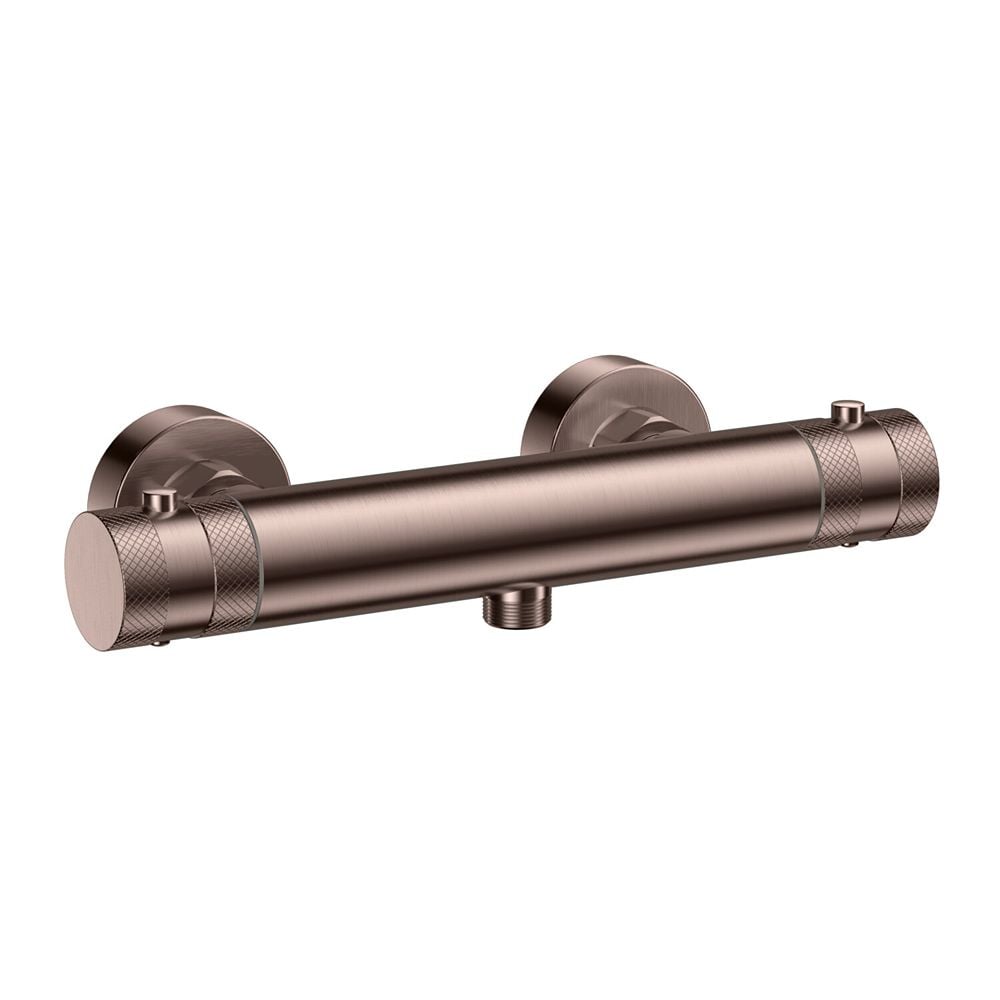
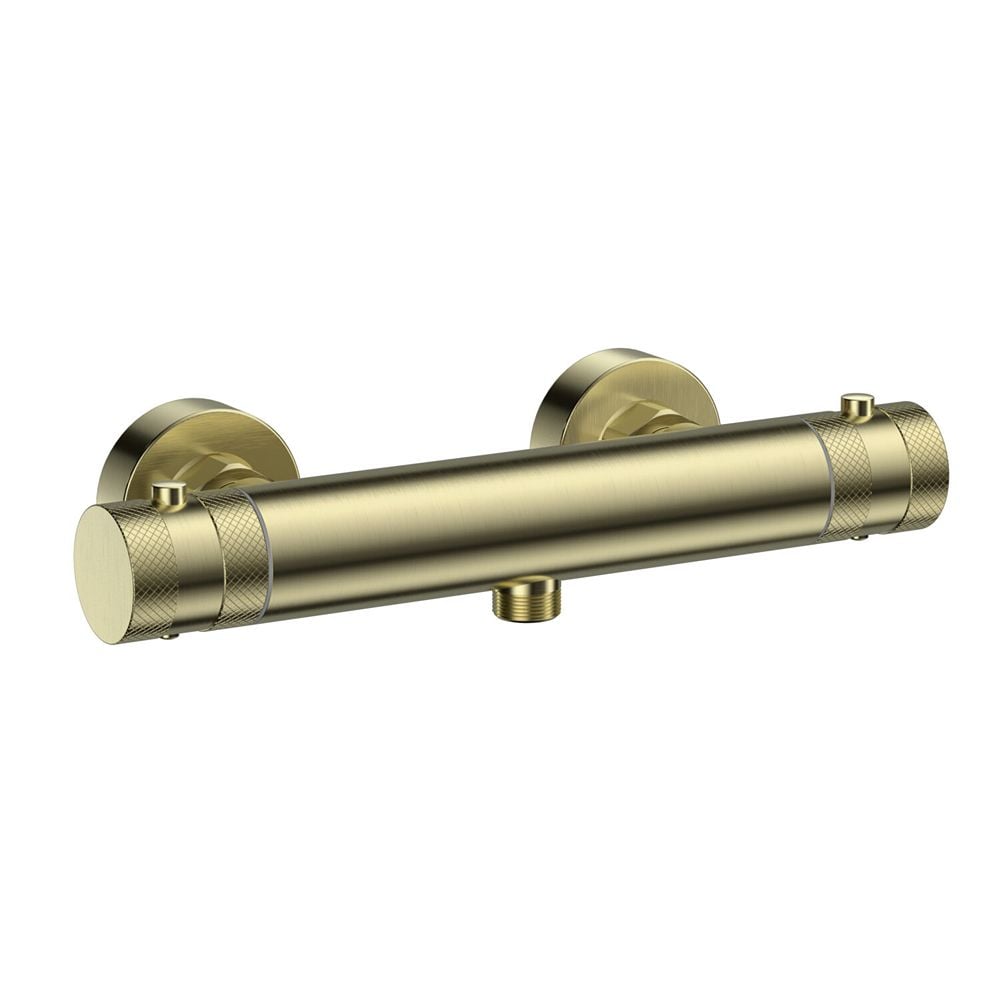
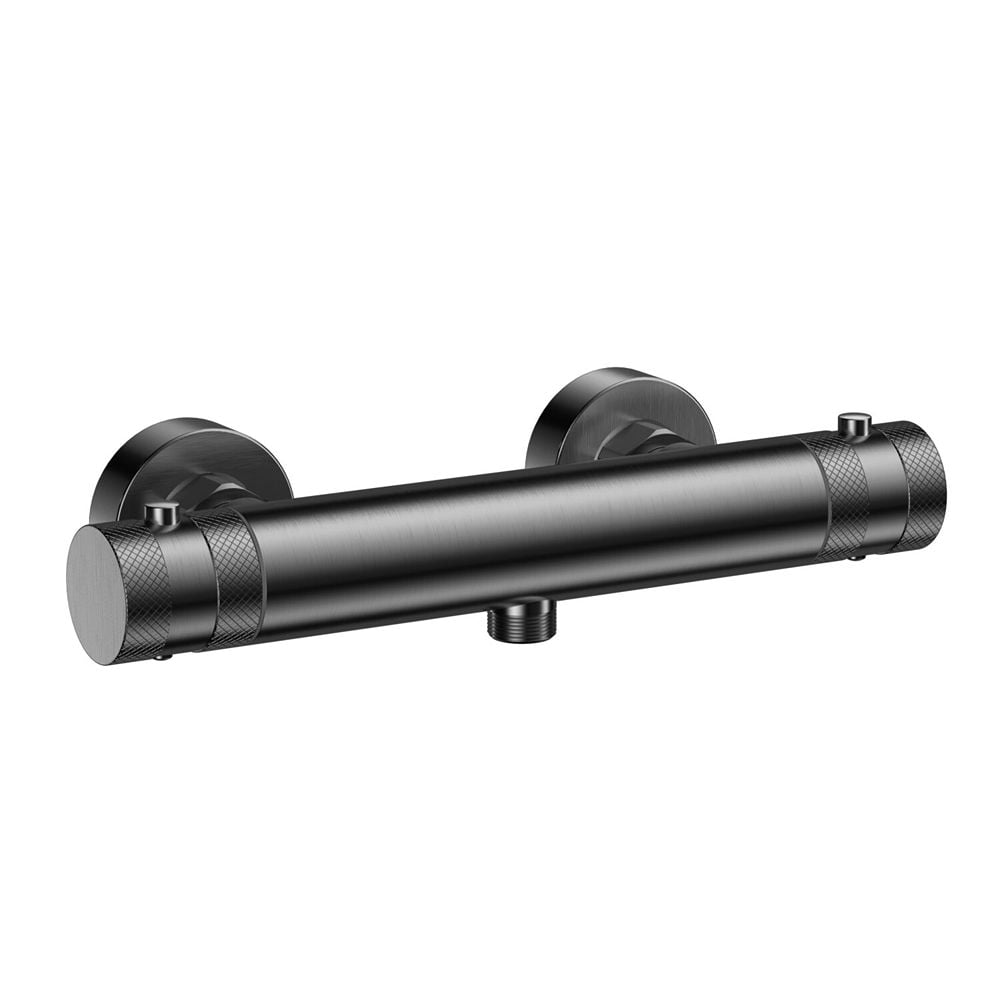
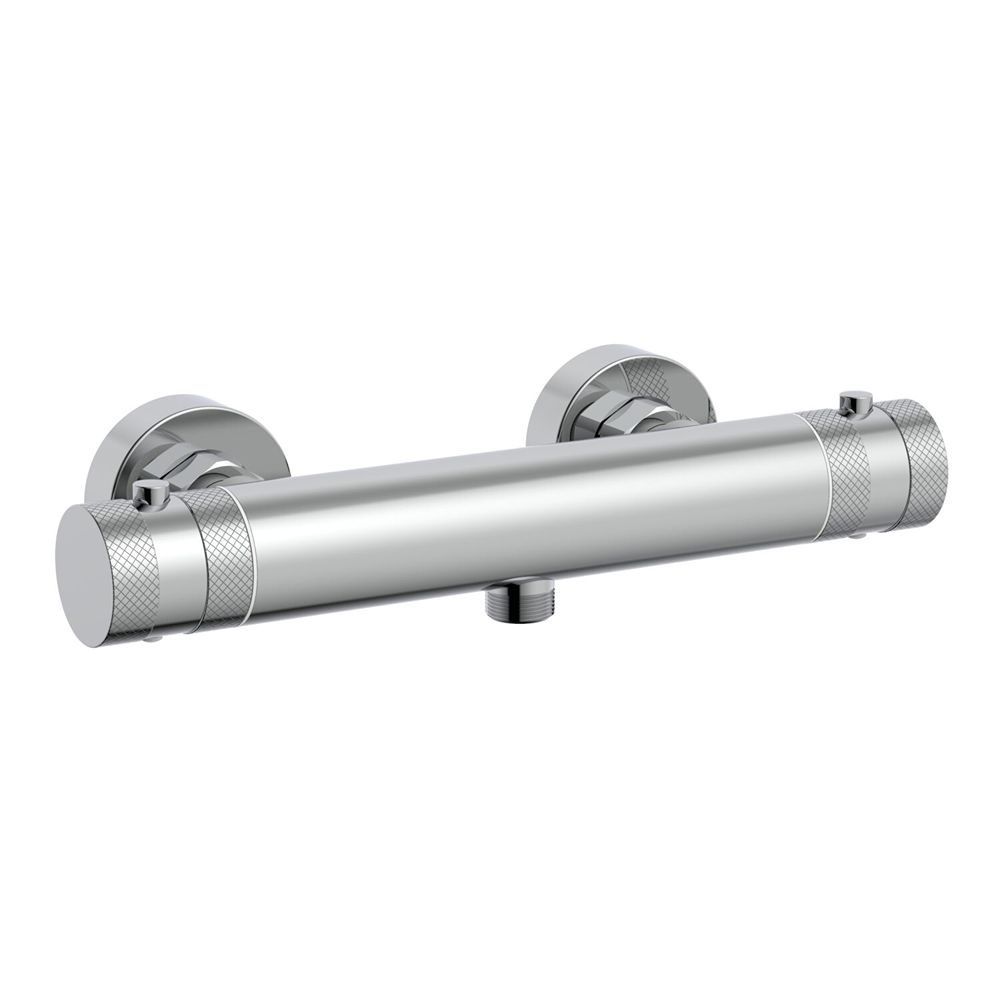
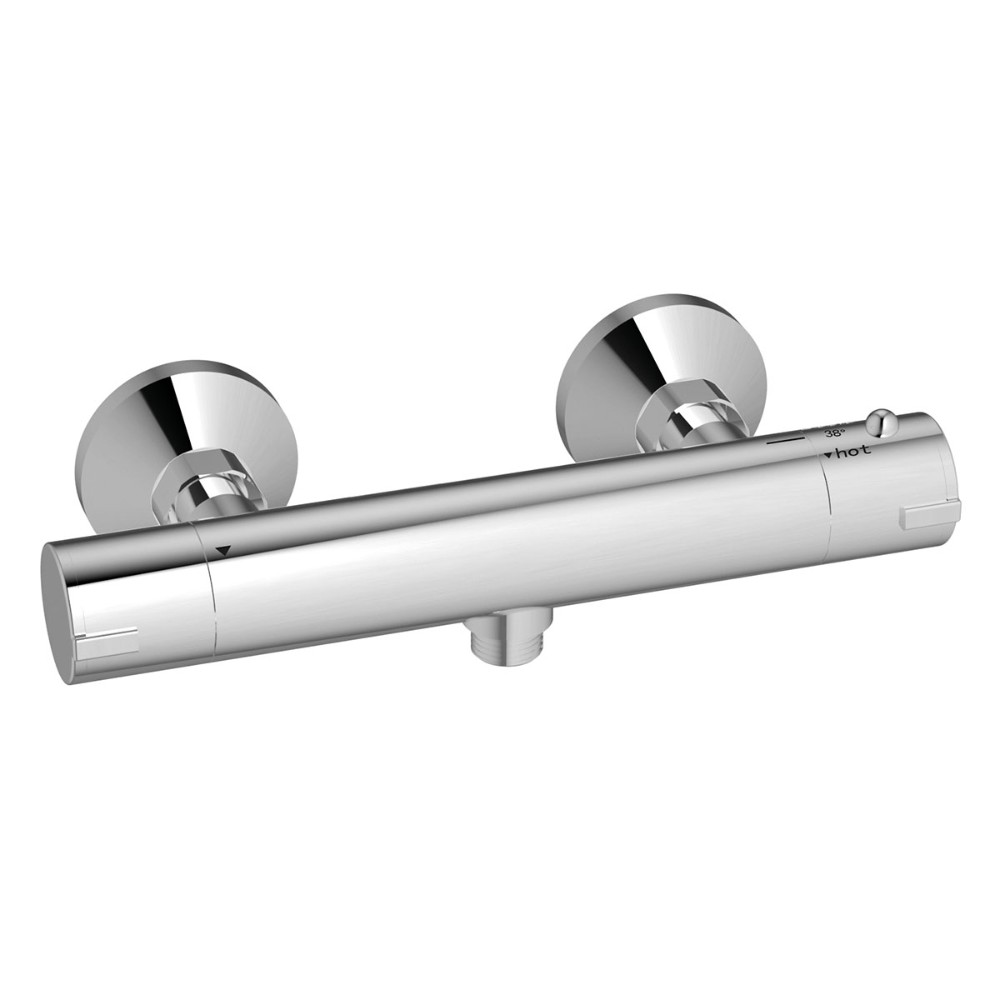
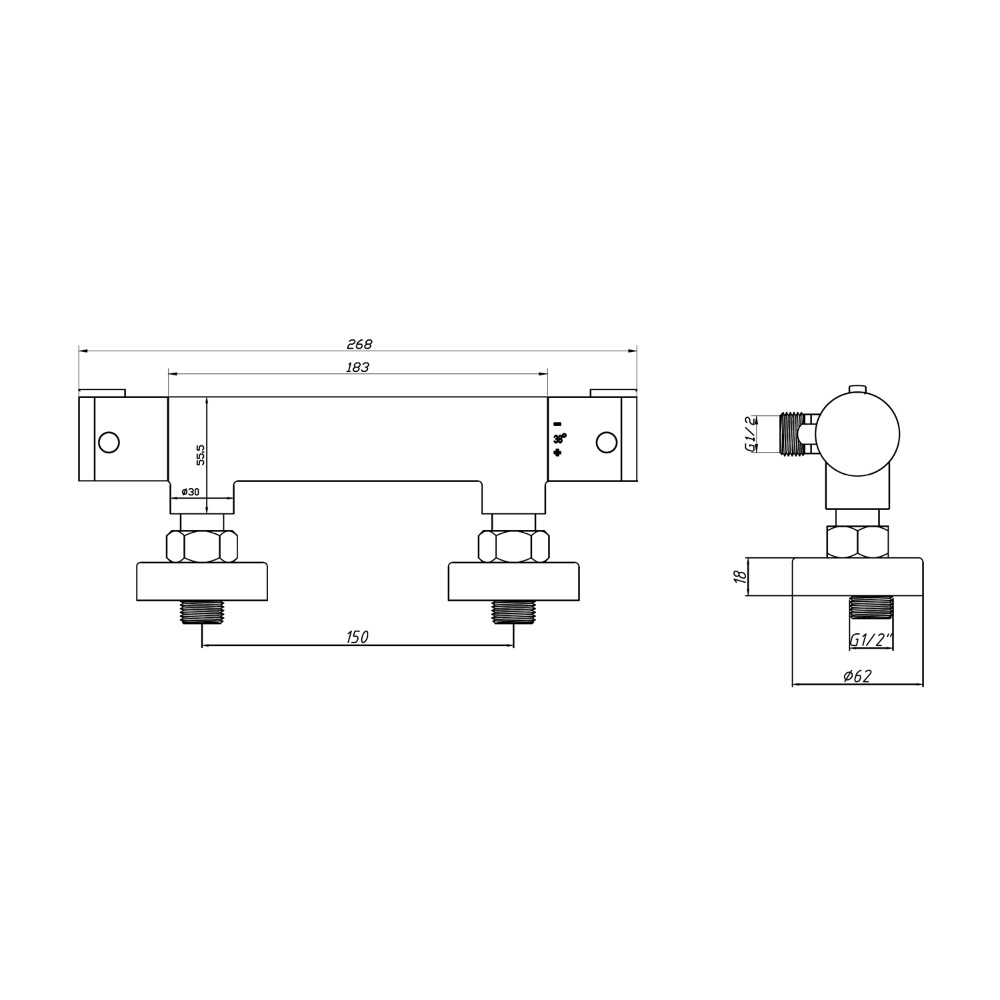
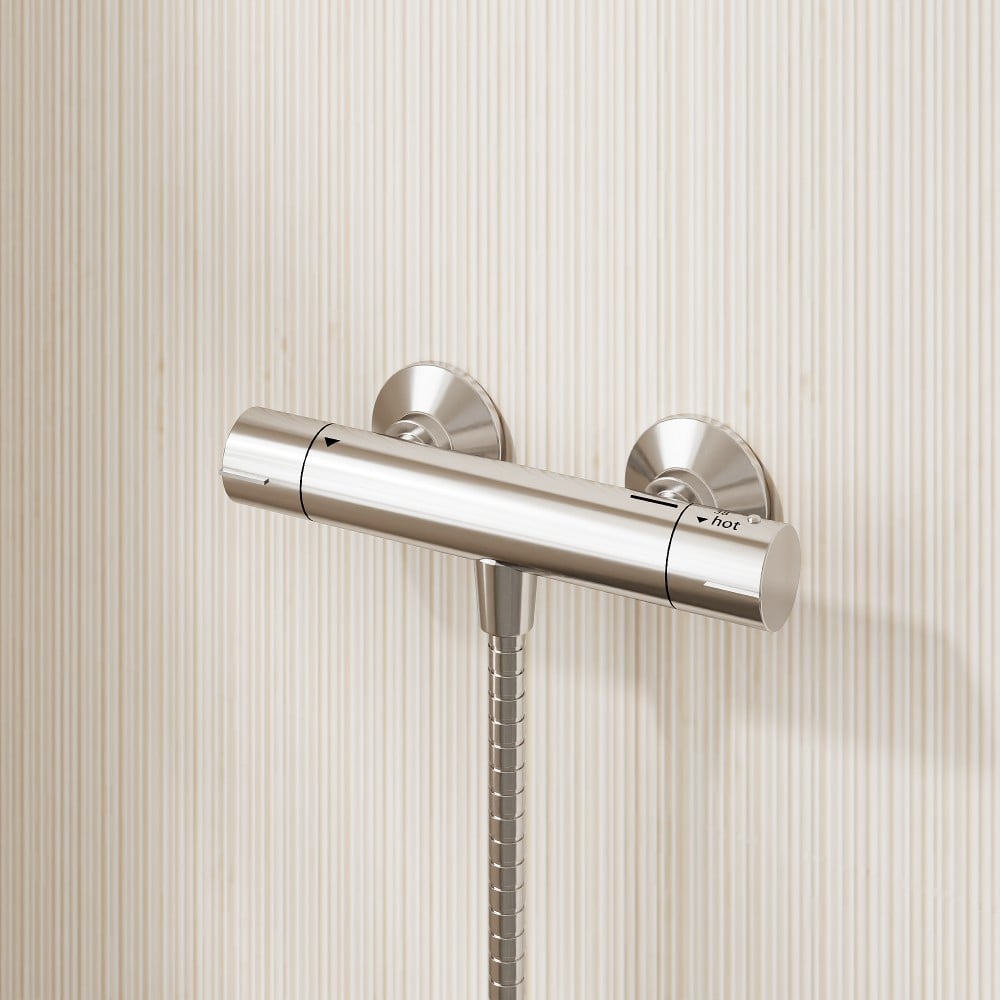
Thermostatic, and why a bar valve is the default. A thermostatic valve holds the temperature you set, so the shower will not suddenly run cold when someone flushes the loo, or scalding when the cold supply drops. Each of the three sets named on this page is thermostatic, and it is what we would recommend. On a combi or mains-fed system, the format to look at is a thermostatic bar valve, the horizontal bar with two dials, because it is simple and reliable. If you would rather buy the control on its own, the thermostatic bar valves sit in their own section. One honest caveat: pressure matters. Thermostatic valves need a decent flow to hold temperature properly, so on an older gravity-fed system, the kind with a tank in the loft, find out what your supply actually delivers before you commit.
Set, kit or build your own. A shower set is the matched package: valve, head and handset designed to go together in one finish, which makes it the easiest thing to buy and the safest bet for a coherent look. The Litchfield Flow Chrome Thermostatic Shower Set at £109 is a good example: a round dual-outlet set in polished chrome with an overhead shower and a handset, a built-in diverter to switch between them, brass construction and a lifetime guarantee.
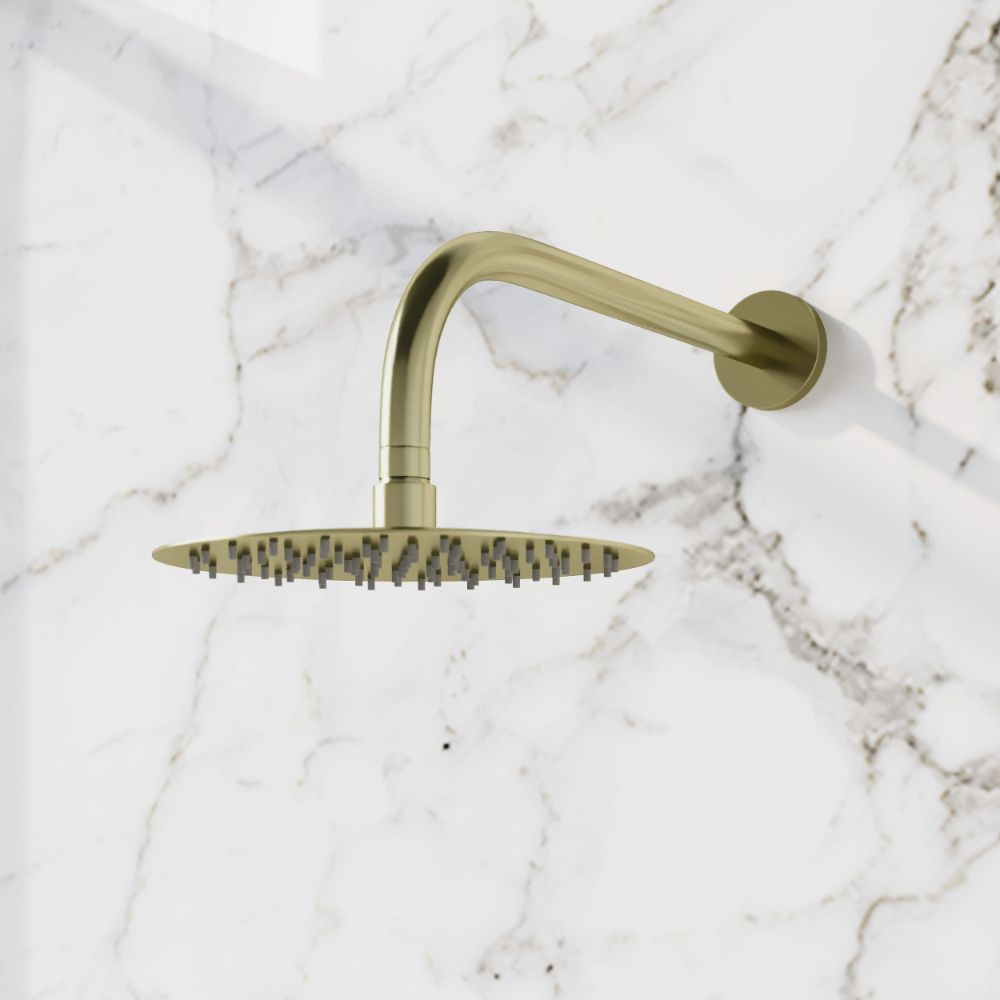
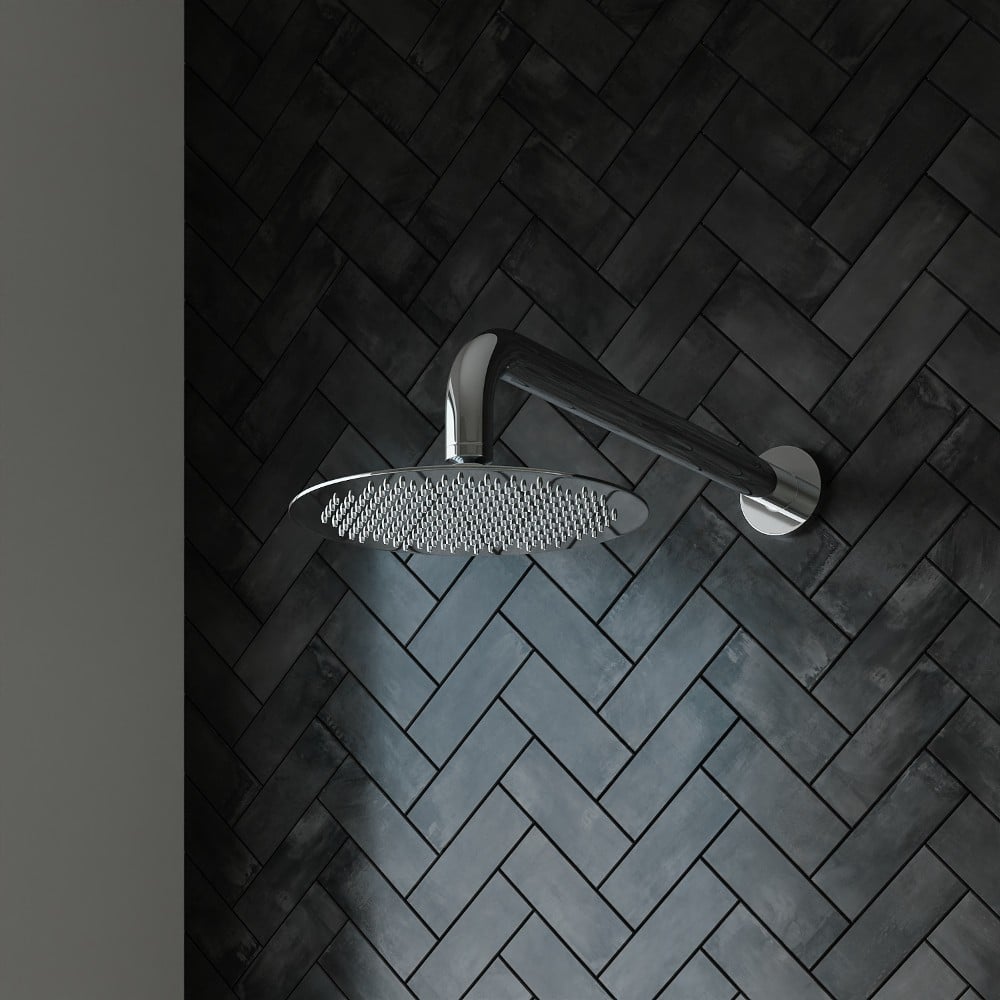
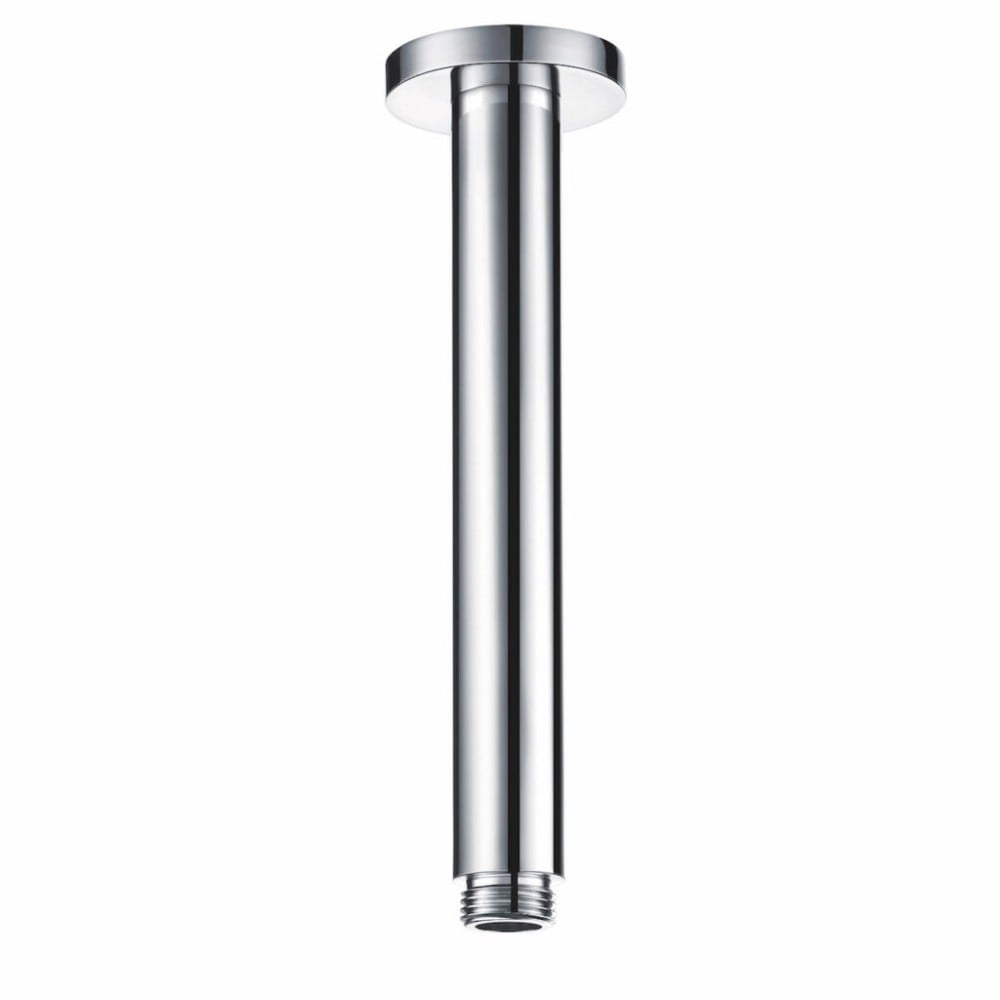
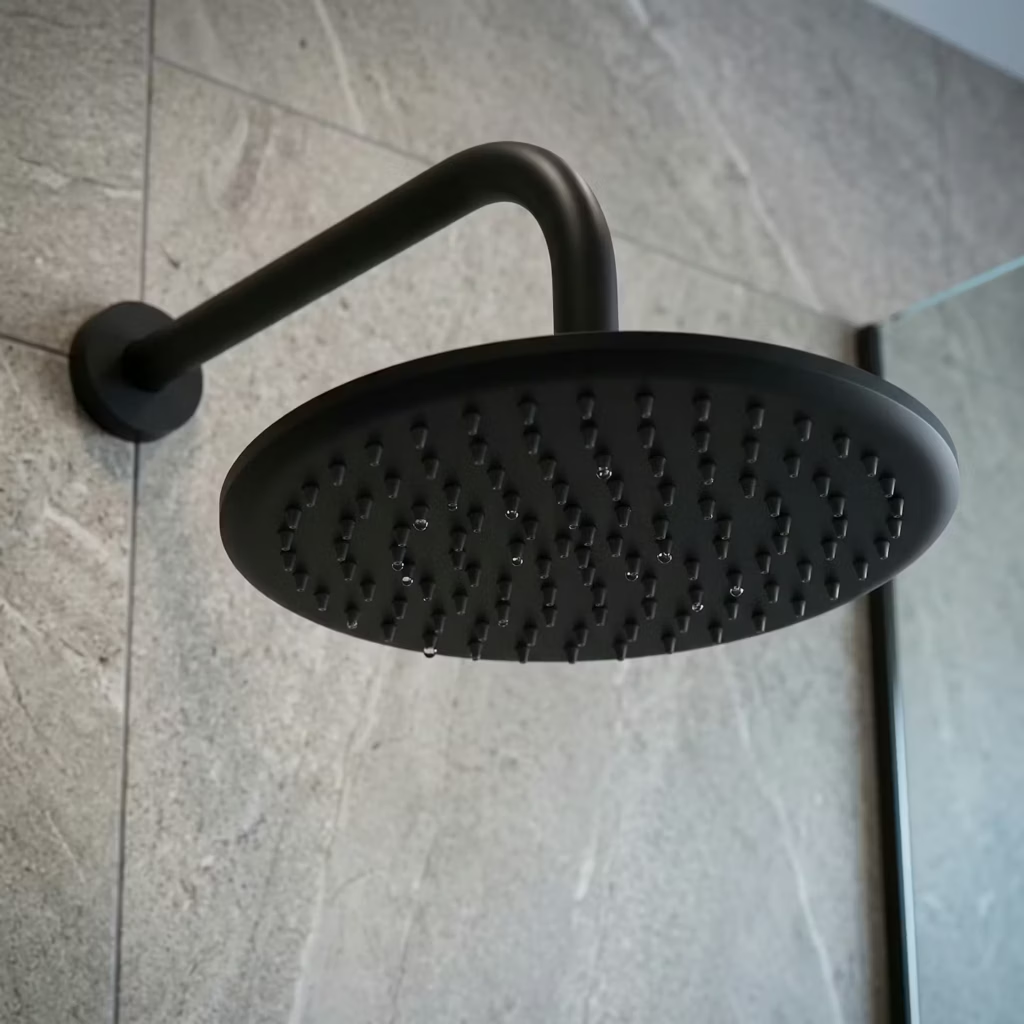
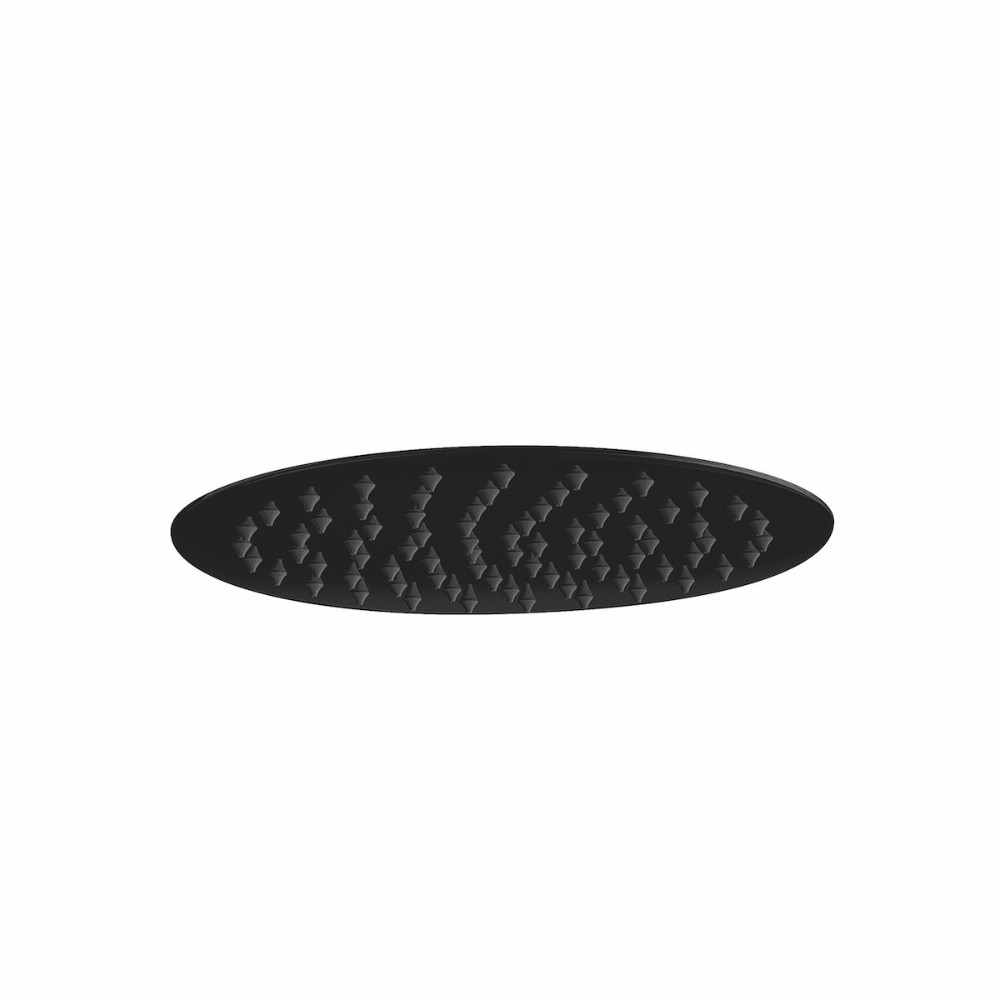
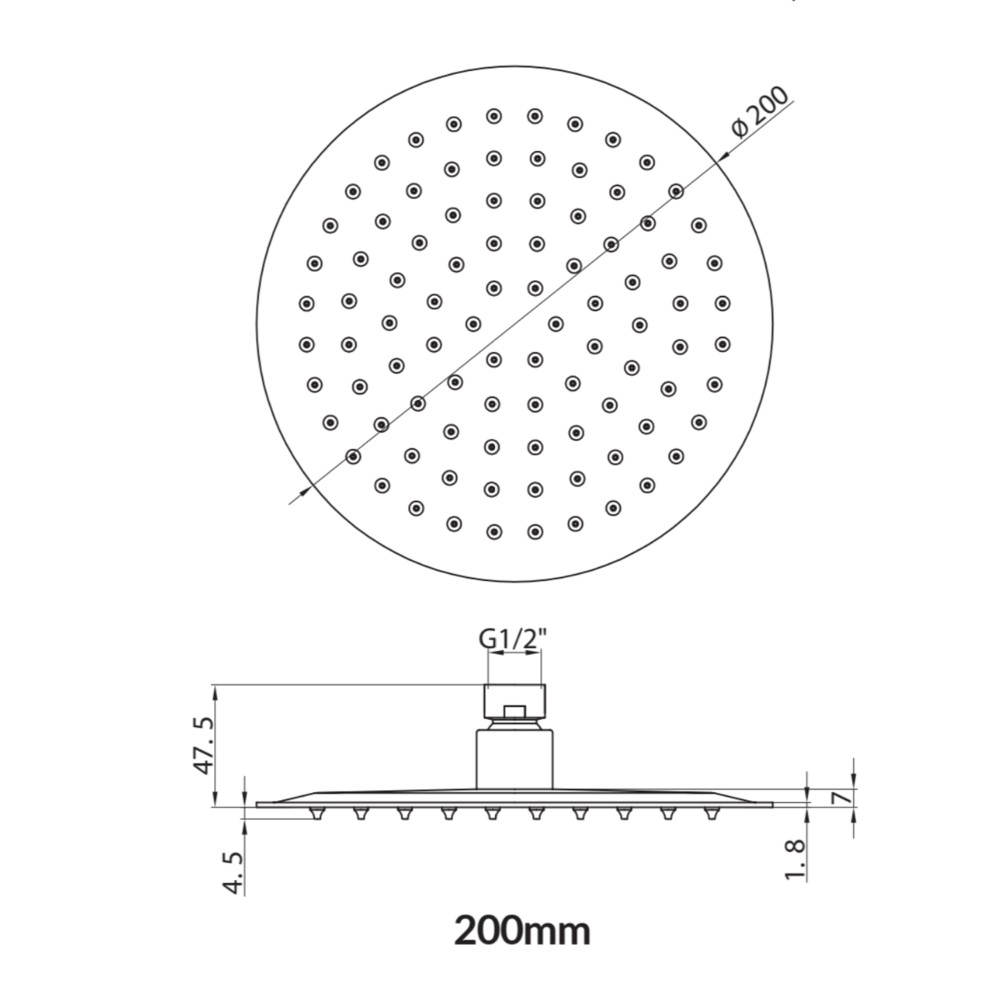
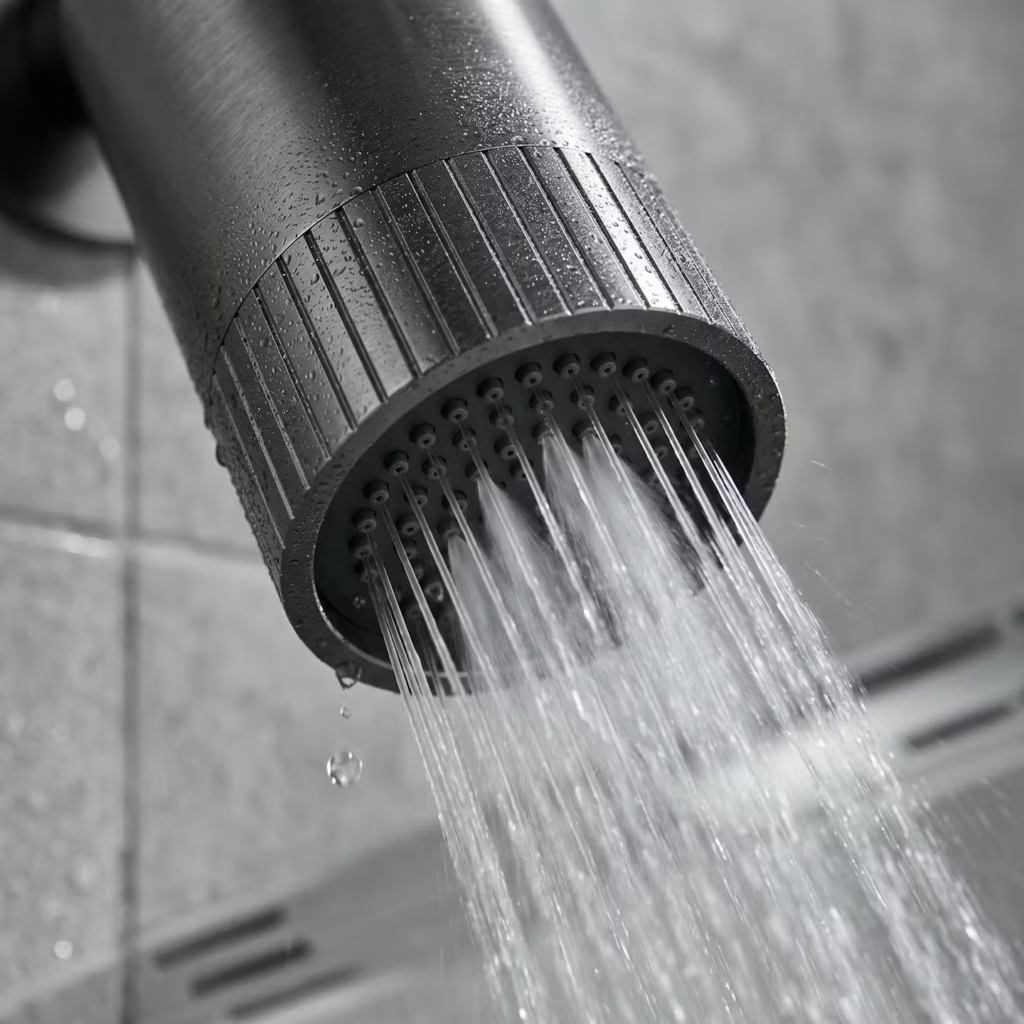
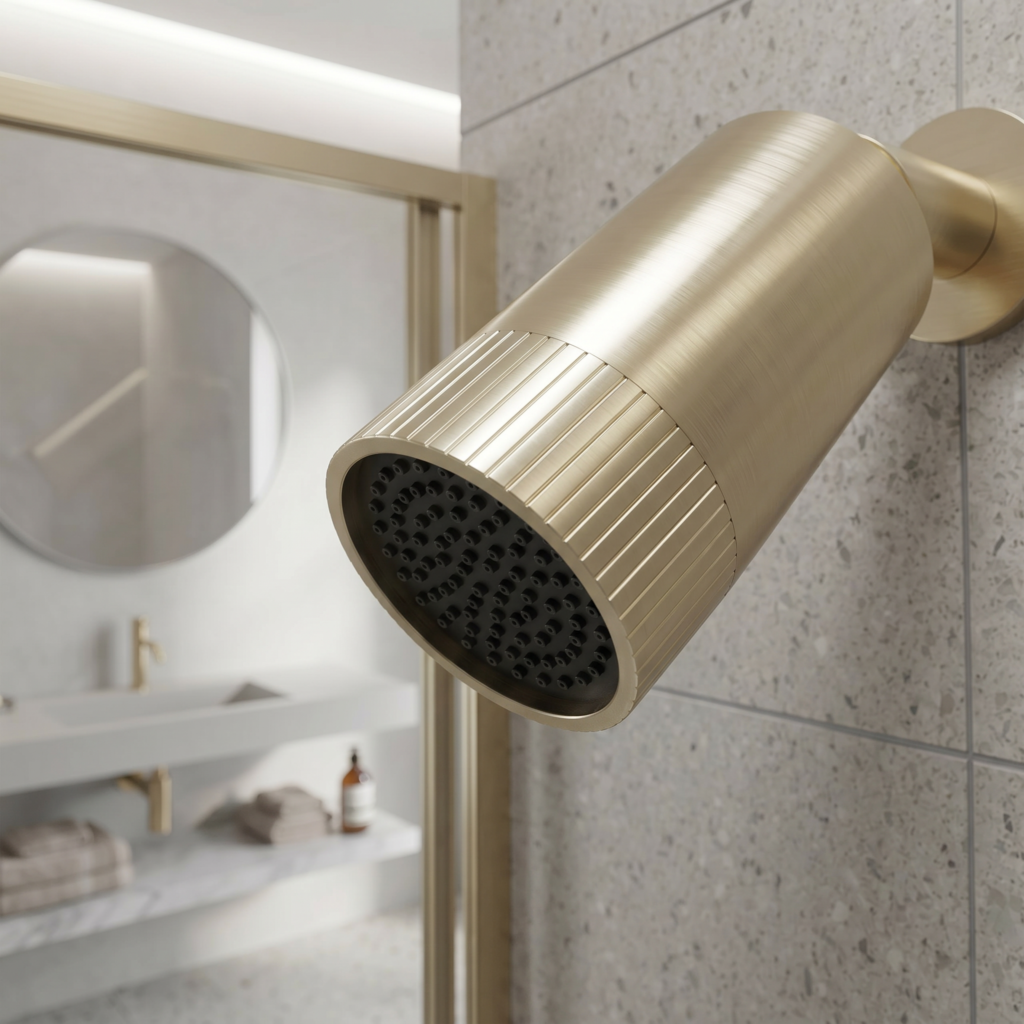
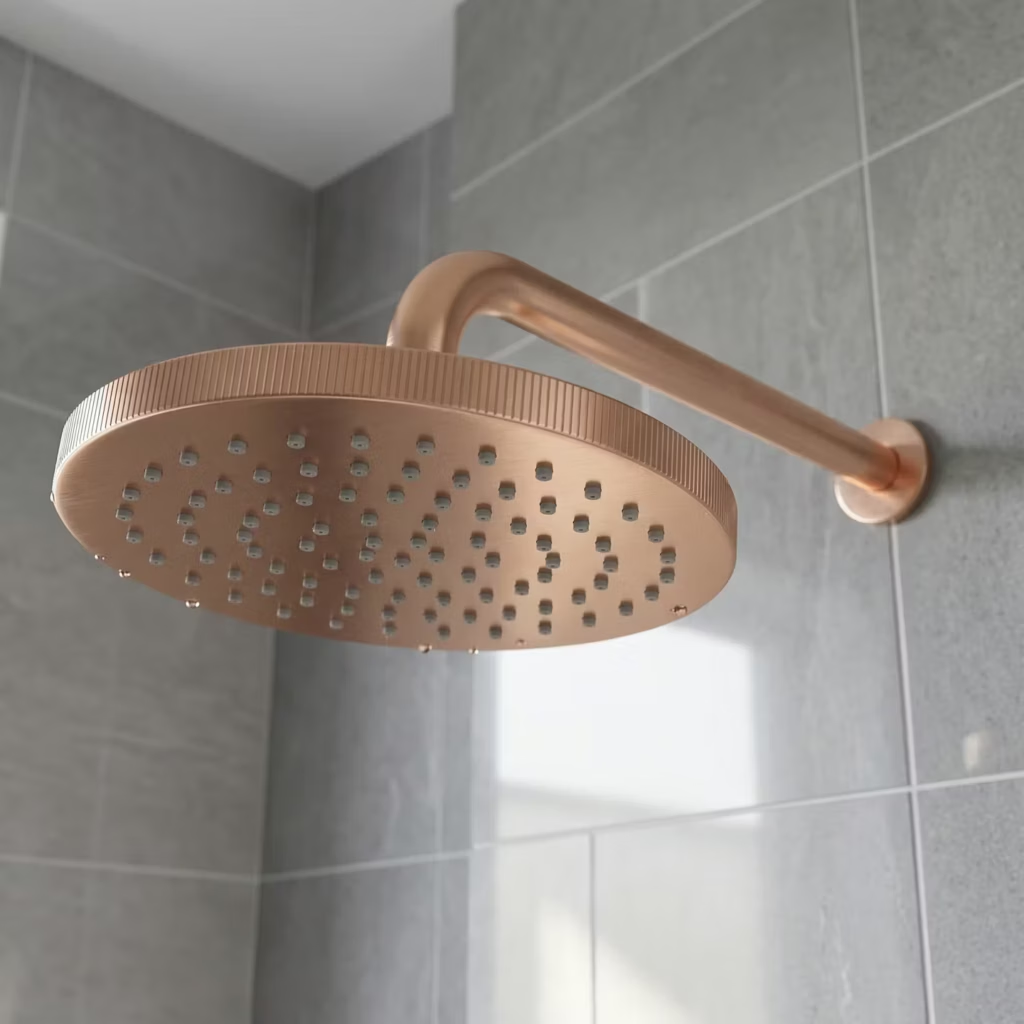
If you want the whole install in one box, a complete kit bundles the lot, so start with the complete shower kits. Building your own from parts makes sense when you have a specific layout in mind, and the valves, heads and handsets section has the components. If all you want is a better head, the Litchfield Traditional Rain Can Rainfall Shower Head 200mm at £69.99 is a 200mm round rain can in chrome. Just match the thread and outlet count to what you already have.
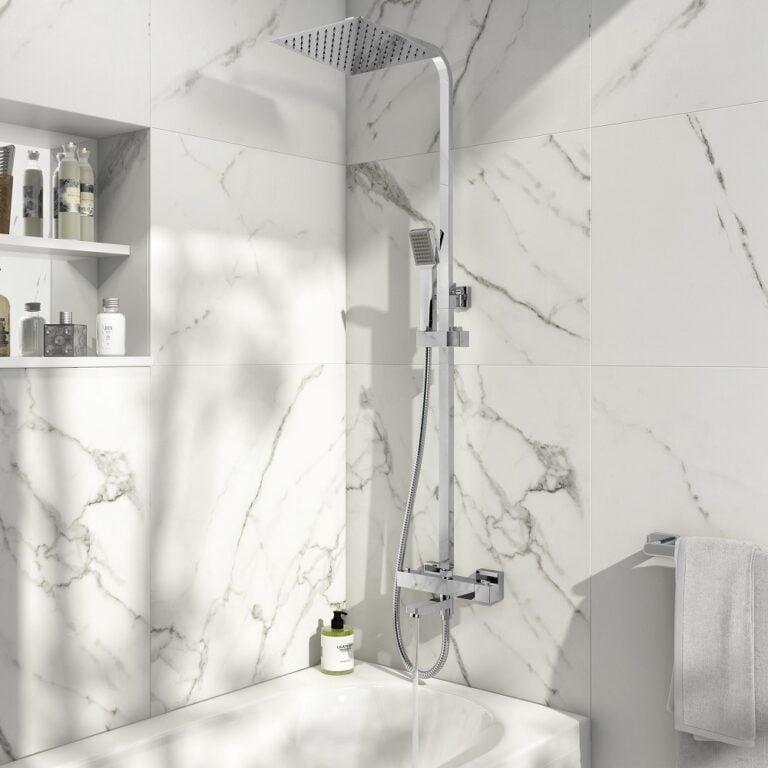
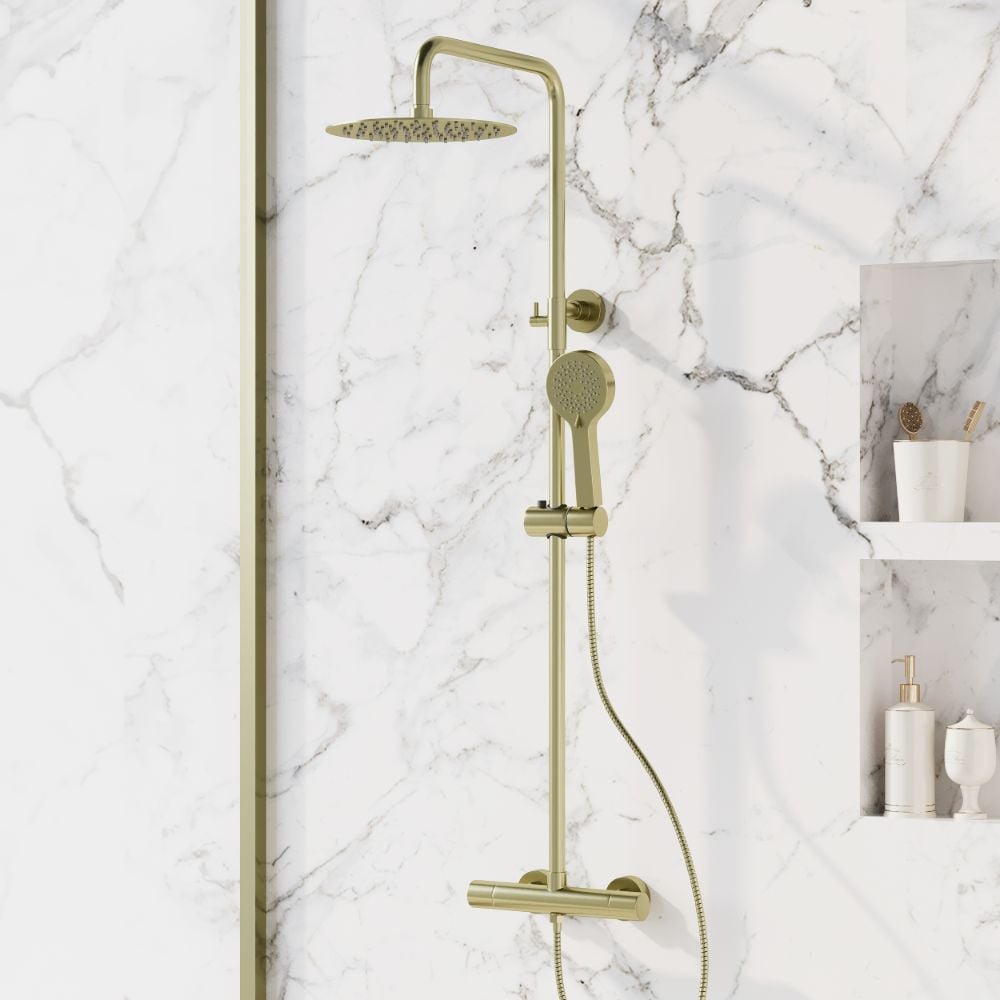
Showering over a bath? Look for a set with a bath filler built in, so the same unit fills the tub and runs the shower. The Round Rigid Riser Thermostatic Shower with Bath Filler at £229 is a good all-in-one example: a thermostatic system with a 200mm round overhead head, a handset on a 1.5m hose, an adjustable rigid riser rail and the bath filler, in chrome with a brass build and a lifetime guarantee.
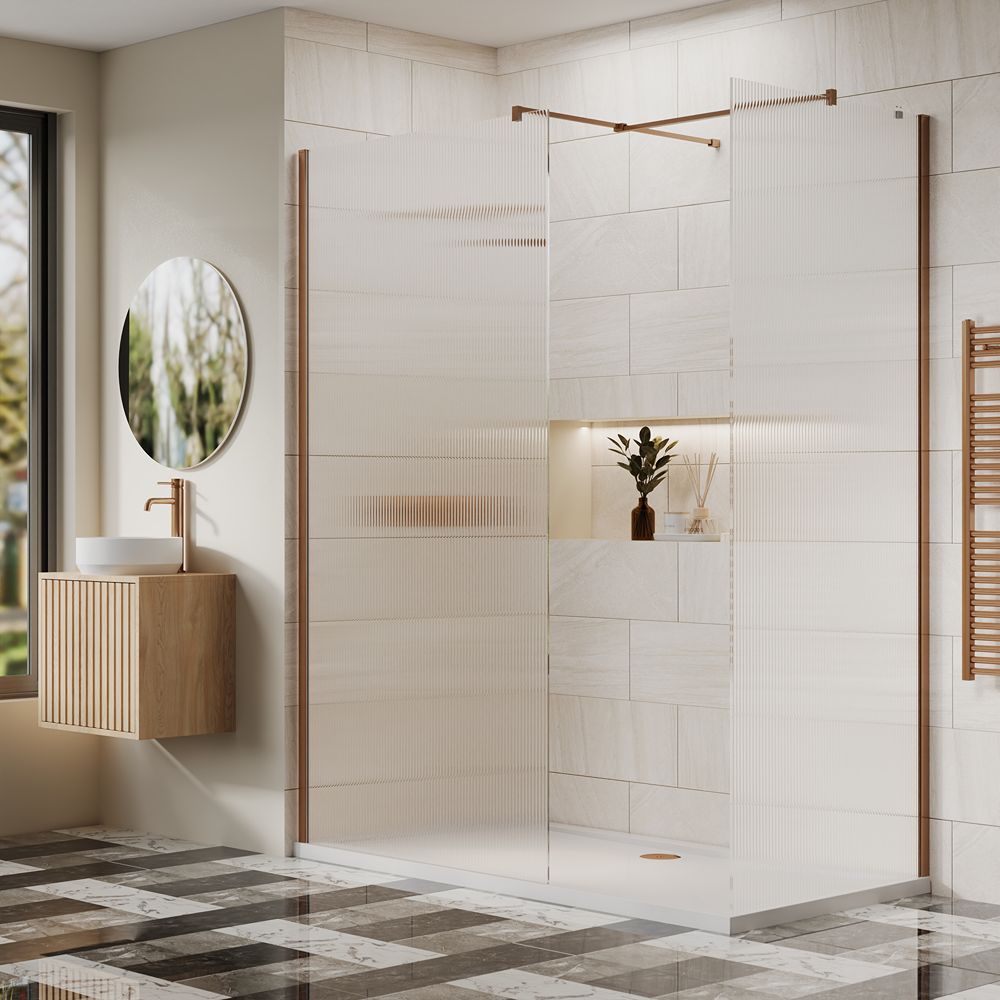
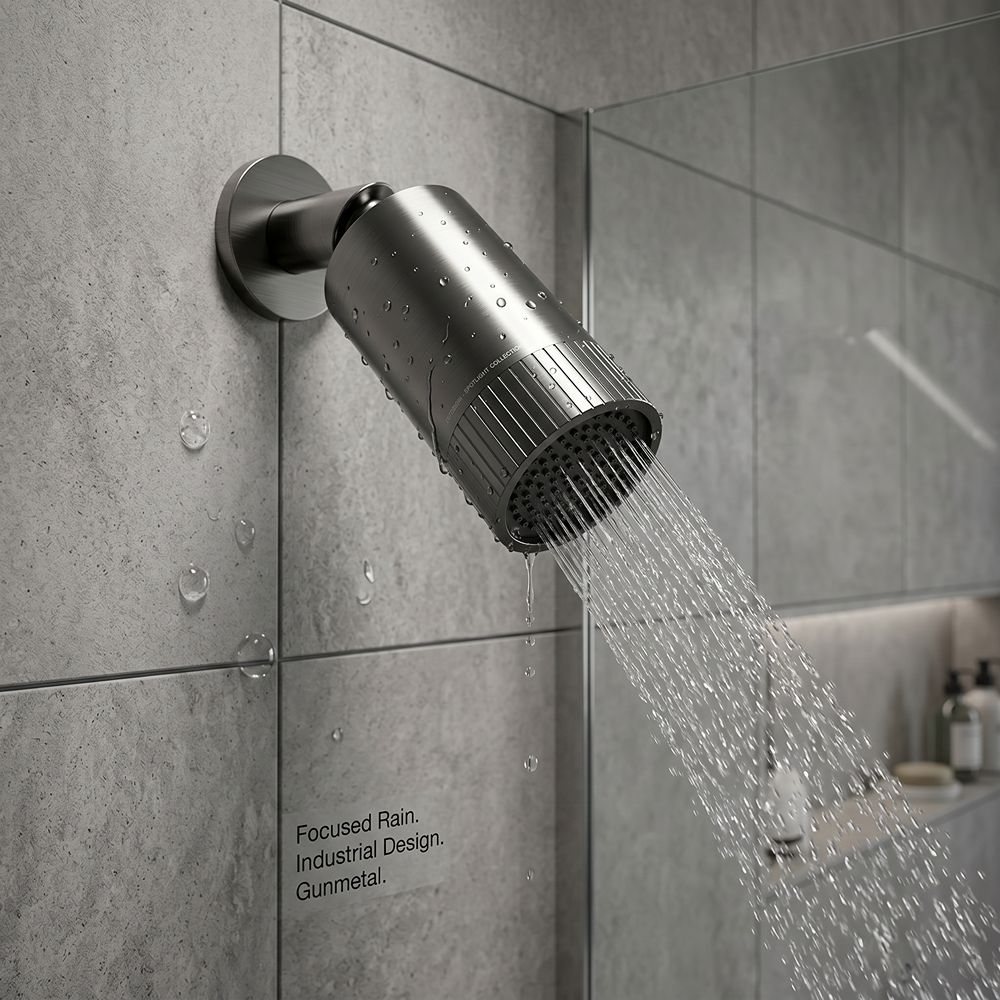
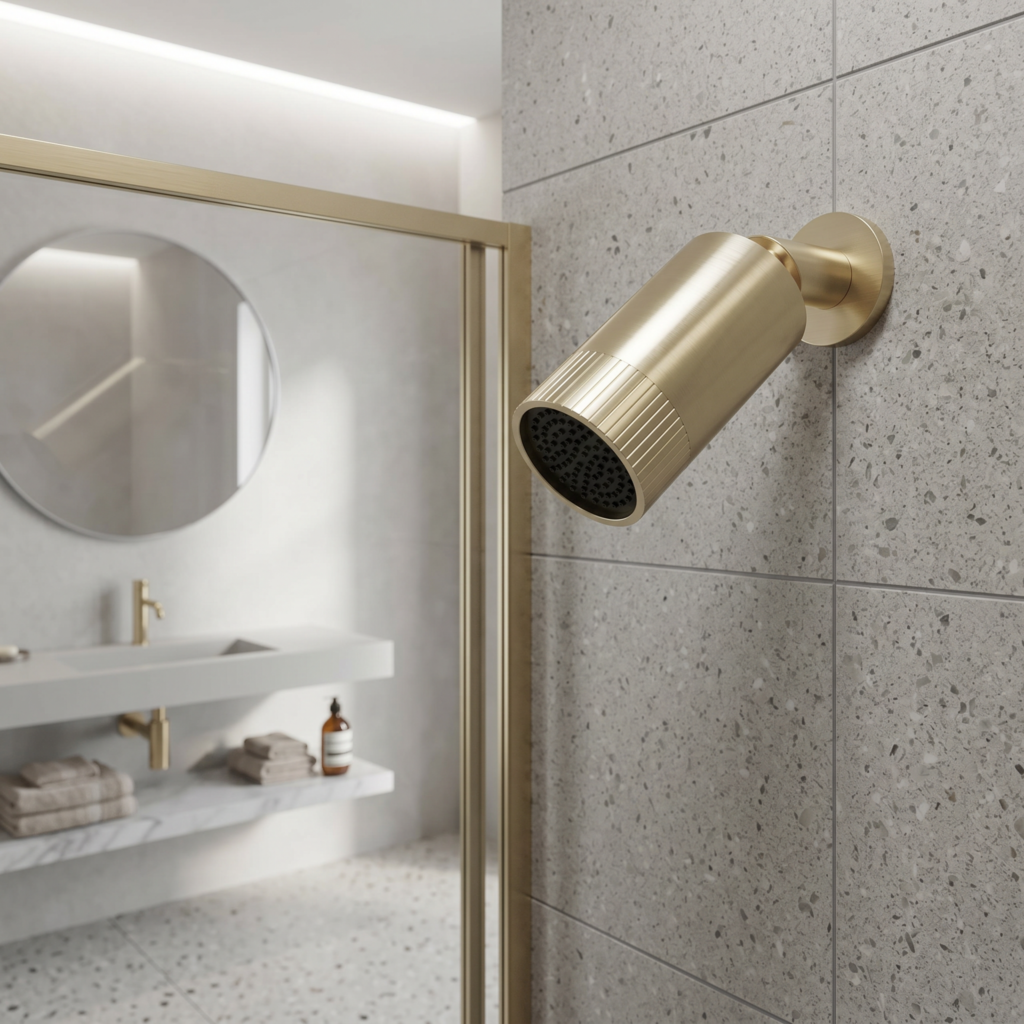
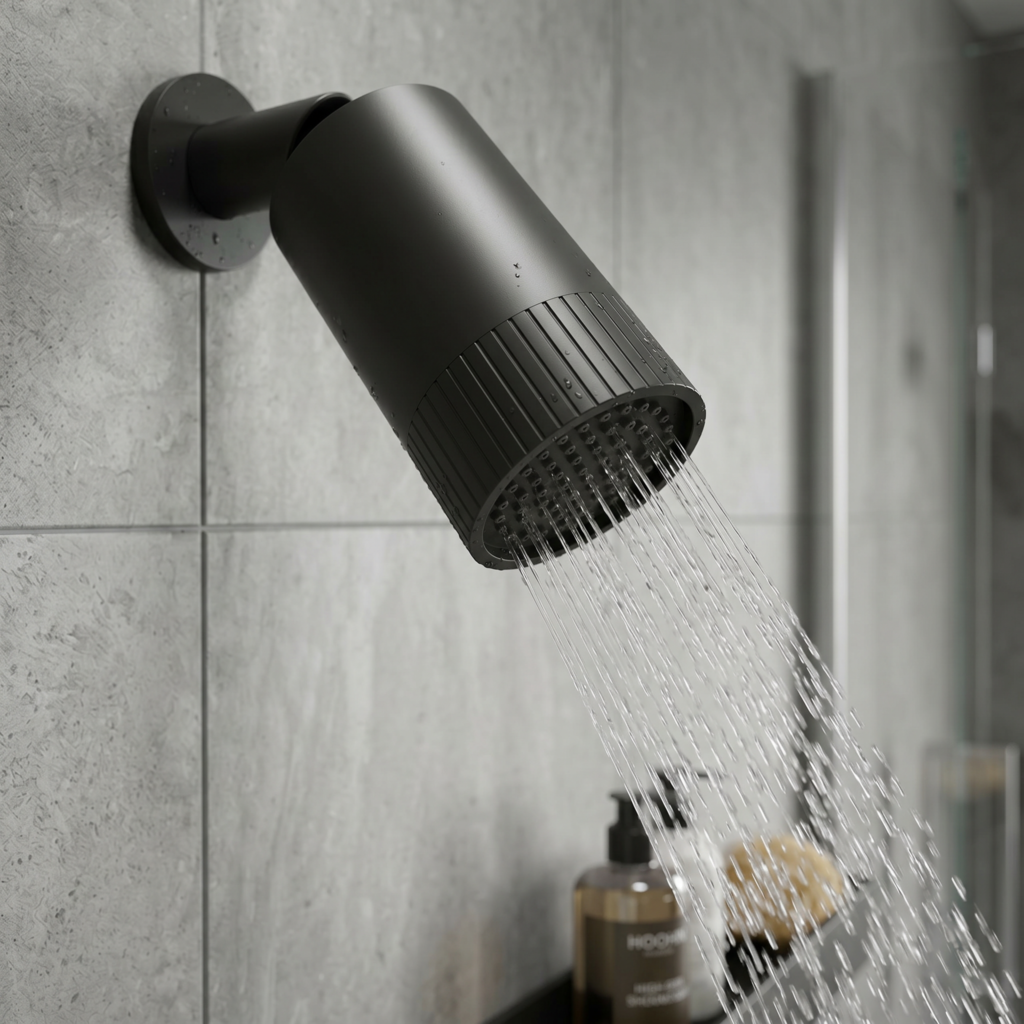
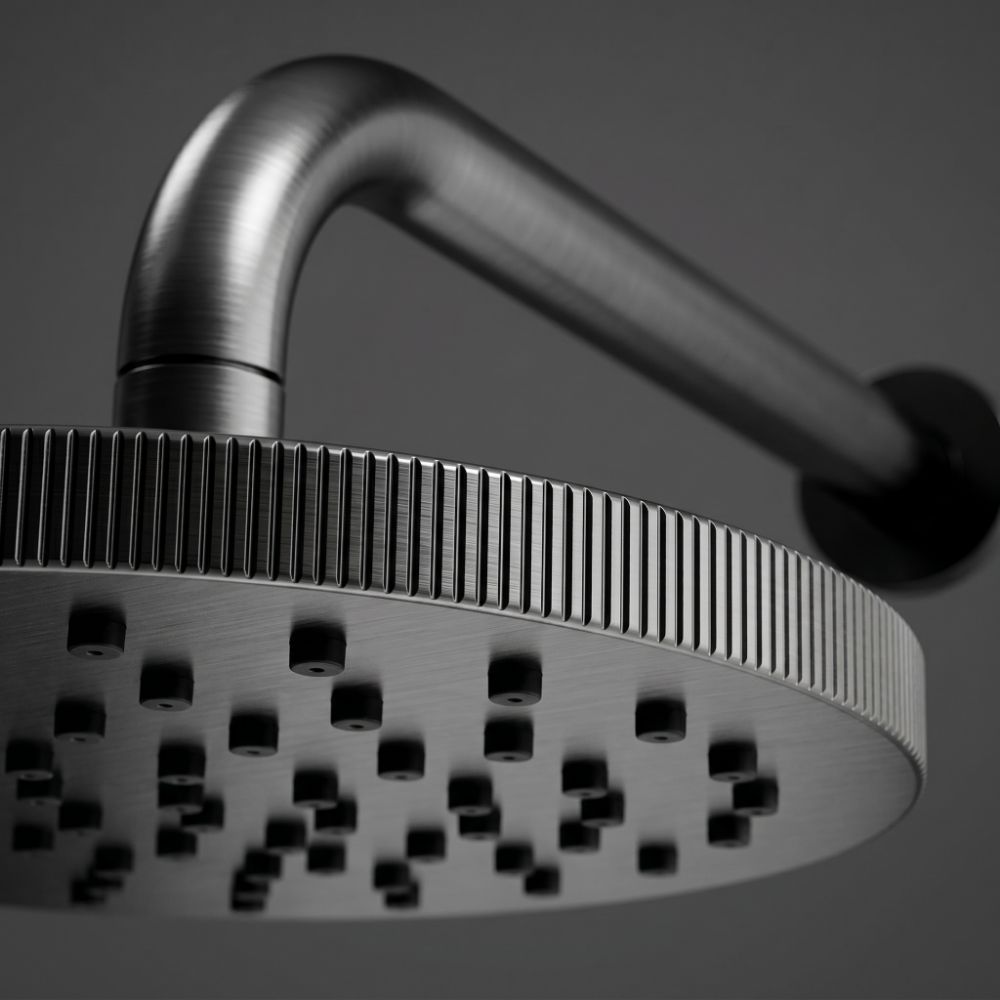
Pick the finish to match your taps and any other brassware in the room, because mixing metals is the quickest way to make a new bathroom look unplanned. Chrome is the safe, match-anything default. Matt black, brushed brass, brushed bronze and gunmetal are the warmer and darker options: they make more of a statement and date a bit faster, so commit to one across the room or not at all. Browse by finish in the shop by colour section.
Quick answers
What is the difference between a concealed and an exposed shower? A concealed shower hides the valve and pipework inside the wall, so only the control plate and head are on show. It looks the cleanest, but it is a tiled-in job you have to plan before the wall goes up, and the valve is hard to get back to. An exposed shower bolts to the wall with the pipework visible, usually on a rigid riser. It is much easier to fit, it is the sensible choice for a straight swap, and you can actually reach it if it ever needs work.
What is a shower set? It is the matched package of valve, head and handset, designed to go together in one finish, so you are not trying to make separate parts line up. It is the easiest way to buy and the safest bet for a coherent look. If you would rather build your own, the valves, heads and handsets are also sold separately: just match the thread and outlet count.
Are these showers thermostatic? The three sets linked in the guide above all are: the Litchfield Select, the Litchfield Flow and the Round Rigid Riser set with bath filler. A thermostatic valve holds the temperature you set, so the shower will not suddenly run cold when a tap or the toilet is used elsewhere, or scalding if the cold supply drops. On a combi or mains-fed system, a thermostatic bar valve is the one we would point you to. For anything else in the range, check the control type on the product page before you buy.
What is a concealed shower set, and is it harder to fit? It is a set where the valve sits behind the wall and only the plate and head are visible. Yes, it is the harder install: the valve and pipework are buried, so it is a planned, tiled-in job best sorted before the wall is finished, and you cannot easily get back to the valve later. If you want the clean look, it is worth it. If you want simple, go exposed.
Will these showers work with my water pressure? Thermostatic showers are generally happy on combi and mains-pressure systems. The thing to watch is an older gravity-fed setup with a cold tank in the loft, where flow can be too low for some valves to hold temperature. The Litchfield Flow set is listed as suitable for a wide range of water pressures, but if you are on a gravity-fed system, get your plumber to check what your supply delivers before you buy.
What finishes do the showers come in? Chrome, plus the warmer and darker tones: matt black, brushed brass, brushed bronze and gunmetal. Chrome is the match-anything default. The coloured finishes make more of a statement, so it is worth committing to one across all the brassware in the room. You can browse the range by finish in the shop by colour section.
Are the showers guaranteed? Cover depends on the product, so check the product page for the exact terms. As a guide, the Litchfield Flow set and the Round Rigid Riser set with bath filler each come with a lifetime guarantee, while the Litchfield Select concealed set carries a 5-year guarantee.