The finish affects the whole look of the room, but the material (and how that finish is applied) affects how the tap wears, how it cleans, and how easily it shrugs off the realities of British water, steam and the occasional over-enthusiastic cleaning spray.Below is a practical guide to the most common tap materials and finishes, what they’re good at, what they’re fussy about, and how to keep them looking fresh without turning “tap maintenance” into a new hobby.
Start with the inside: what most quality taps are actually made from
Many well-made bathroom taps use a solid brass body underneath the visible finish.
Brass is popular because it’s strong, resists corrosion, and copes well with the damp environment of a bathroom.
In other words: it’s the dependable bit doing the hard work while the outer finish gets all the compliments.
This is also why two taps can look similar at first glance but feel completely different in use.
A solid, weighty tap body tends to feel more stable over time, and it usually offers better long-term performance,
especially when paired with a good cartridge and well-finished surfaces.
Chrome: the classic that refuses to go out of style
Chrome is the most familiar finish in UK bathrooms for good reason. It suits modern and traditional interiors,
works with almost any tile colour, and it’s generally straightforward to keep clean. If you want a finish that looks crisp without demanding special treatment, chrome is usually the easiest “yes”.
Chrome is also forgiving in busy households. It tends to handle day-to-day splashes well, and a quick wipe keeps it gleaming. If you’re choosing a chrome basin mixer, a style like the Litchfield Basin Mixer Tap, you’ll usually find it pairs effortlessly with standard accessories and other fittings.
The main thing to watch with chrome is limescale. In hard water areas, dried droplets can leave spots that dull the shine. The cure is surprisingly low-effort: wipe after use with a soft cloth and it stays bright. The less you allow deposits to build up, the less likely you’ll be tempted to reach for harsh cleaners later.
Matt black: modern, bold, and best treated gently
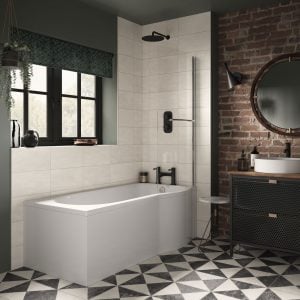
Matt black taps have gone from trend to staple. They add contrast, make white ceramics pop,
and give bathrooms a clean, architectural feel. Done well, black looks premium and intentional rather than “trying too hard”.
Most matt black taps are a brass body with a durable coating on top. That coating is tough, but it doesn’t love abrasives.
If you’re considering a black finish basin mixer, the secret to long-lasting good looks is not stronger chemicals, it’s gentler habits.
Clean with warm water and a mild soap, then rinse and dry. Avoid scouring pads, cream cleaners, and strong descalers sprayed directly on the tap. Over time, aggressive products can mark the surface or leave uneven patches. With a soft cloth and regular light cleaning, matt black stays smooth and even, without that “why does it look a bit tired already?” moment.
Brushed brass: warm, luxurious, and slightly more “considered”
Brushed brass brings warmth that chrome can’t replicate. It’s a great option if you want a softer metallic finish
that feels high-end without being overly shiny. Brushed brass works beautifully with natural textures like stone,
wood tones, and warmer tile palettes.
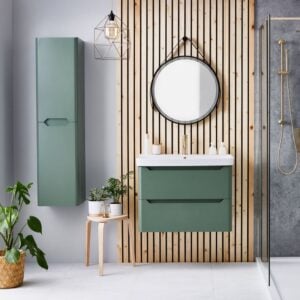
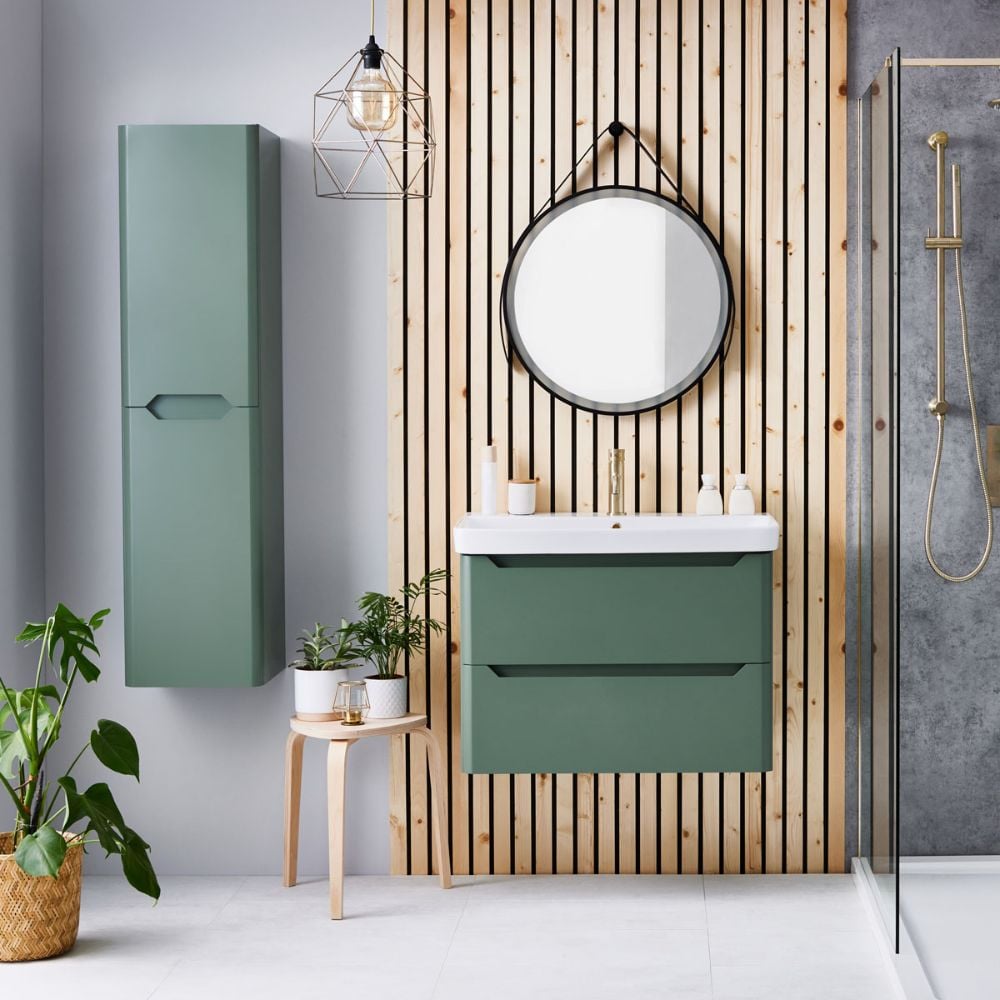
A brushed brass basin mixer can become a focal point, especially when paired with matching accessories. Because the finish has a directional grain, it’s best to wipe in the same direction, rather than scrubbing in circles. It sounds precious, but it’s really just a “don’t fight the brush lines” situation.
Brushed finishes are often better at disguising tiny watermarks than polished finishes, but they’re still not fans of harsh chemicals. Stick to mild soapy water, rinse well, and dry. If you do need to tackle limescale, avoid leaving acidic products on the surface. When in doubt, test any cleaner on a discreet area first.
Stainless steel: clean, minimal, and quietly tough
Stainless steel is prized for corrosion resistance and a minimalist look. It’s a practical choice for family bathrooms
or for anyone who wants durability without a mirror-like shine. The aesthetic tends to be understated, which makes it a good match for contemporary spaces that lean more “calm and clean” than “sparkly and reflective”.
Care is simple: mild detergent, rinse thoroughly, and dry. Stainless steel is robust, but like any finish,
it benefits from regular light cleaning rather than occasional heavy-duty attacks.
The real issue in UK bathrooms: limescale (and how to stop it winning)
If your taps look dull or patchy, it’s often not “wear” so much as mineral build-up.
Limescale forms when water droplets evaporate and leave minerals behind, especially around the base of the spout,
the handles, and any joints where water likes to sit.
The most effective routine is also the least dramatic: a quick wipe after use, and a gentle clean once a week.
It’s boring, but it works. The longer limescale builds up, the more likely you’ll need stronger products,
and strong products are where finishes start to suffer.
If you do need to remove stubborn scale, avoid abrasive tools. Use a soft cloth and a mild approach,
and never leave cleaners sitting on the surface longer than necessary. Rinse thoroughly and dry afterwards.
This is especially important for coated finishes like matt black and warmer metallic finishes like brushed brass.
What to avoid (so you don’t accidentally ruin a finish)
Here’s the simplest rule: if it sounds like it belongs in an industrial kitchen, don’t use it on your taps.
Bleach, heavy-duty descalers sprayed directly onto metalwork, abrasive pads, and cream cleaners can all damage finishes over time. Even if the tap survives the first clean, repeated use can dull the surface or create uneven patches. Instead, use a soft cloth, warm water, and mild soap. Rinse well. Dry well. It’s the bathroom equivalent of
“a little bit often” rather than “once a month with chemicals and regret”.
Choosing the right finish for your home
If you want easy matching and low-fuss cleaning, chrome is usually the safest bet.
If you’re going for a modern look with contrast, matt black makes a strong statement.
If you want warmth and a boutique feel, brushed brass is a favourite for good reason.
And if you want durability with a restrained, contemporary look, stainless steel is well worth considering.
Whichever finish you choose, the best-looking bathrooms tend to have one thing in common: the taps are treated kindly. A few seconds of wiping and a gentle weekly clean will keep your chosen finish looking “new” far longer than any miracle product ever will.
Want to coordinate your look? Browse tap styles and finishes across the Bathroom Point range and build a set that feels intentional, because the difference between “nice bathroom” and “proper bathroom” is often in the details.